Begoniaceae
Angel Wing Begonia (Begonia aconitifolia): How to Grow and Care
Begonia aconitifolia
Easy to grow. Prefers bright indirect light, moderate watering every 7 days, and well-draining organic-rich soil. Fertilize monthly in spring and summer. Maintain humidity between 50-70% and temperature between 55-80°F (13-27°C).
Every 7 days
Partial shade
13° - 27°C
50% - 70%
Categories
What is Angel wing begonia?
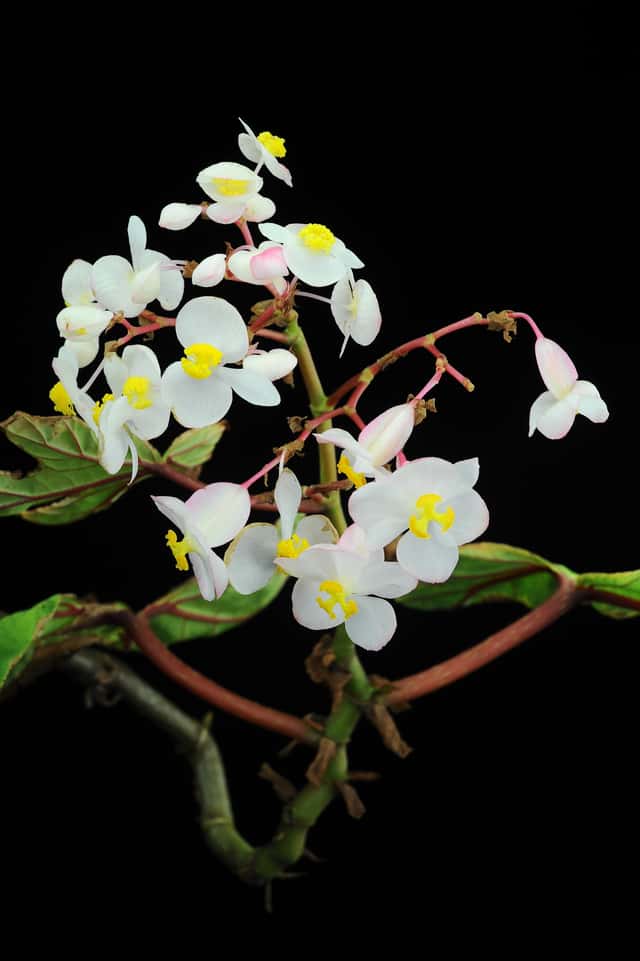
Angel wing begonia (Begonia aconitifolia) is a easy-care plant from the Begoniaceae family. Begonia aconitifolia, commonly known as the angel wing begonia, is a tropical plant native to Brazil belonging to the Begoniaceae family. Its distinctive asymmetrical wing-shaped leaves, often decorated with silver spots, and its pendant clusters of pink to red flowers make it one of the most elegan...
Angel wing begonia grows up to 1.5m, spread of 60cm, watering every 7 days, 13°C – 27°C, 50–70% humidity. It is suitable for indoor environments and not safe for pets.
Unlike many tropical plants, Angel wing begonia tolerates watering mistakes. Best for beginners. Without precautions, ingestion can cause irritation in pets. Keep out of reach of cats and dogs. Without adequate drainage, root rot can develop within 14 days.
How to Care for Angel wing begonia?
TLDR: Angel wing begonia needs Partial shade, watering every 7 days, and temperatures between 13-27°C with 50-70% humidity.
How Often Should You Water Angel wing begonia?
Water when the top 2-3 cm of soil feel dry, approximately every 7 days. Avoid waterlogging and never wet the leaves directly to prevent fungal diseases.
How Much Light Does Angel wing begonia Need?
Place in bright indirect light, near east- or west-facing windows. Avoid prolonged direct sun exposure, which can scorch the delicate leaves. Rotate the pot every 14 days for even growth.
What Is the Best Soil for Angel wing begonia?
Use light, well-draining soil: mix potting soil, earthworm castings, perlite and activated charcoal. Ideal pH is 6.0-6.5. Repot annually to prevent compaction.
What Pot Should You Use for Angel wing begonia?
Terracotta or ceramic pots with drainage holes are ideal, as they allow good substrate aeration. Avoid oversized pots to prevent waterlogging.
Care Schedule
Fertilize
Every 30 days
Misting
Every 3 days
Rotate
Every 14 days
Repot
Every 365 days
What Is Angel wing begonia and Where Does It Come From?
Begonia aconitifolia, commonly known as the angel wing begonia, is a tropical plant native to Brazil belonging to the Begoniaceae family. Its distinctive asymmetrical wing-shaped leaves, often decorated with silver spots, and its pendant clusters of pink to red flowers make it one of the most elegant ornamental begonias. It is a medium-growth plant, well-suited for both indoor and partially shaded outdoor environments.
How to Propagate Angel wing begonia?
Stem cutting
Use clean, sharp tools. Change water every 2-3 days if propagating in water. Apply rooting hormone powder to increase success rate.
- 1 Cut a healthy stem 4-6 inches long with at least 2 nodes
- 2 Remove lower leaves and allow the cut end to callous for a few hours
- 3 Place in moist perlite/soil mix or in a glass of water
- 4 Keep in bright indirect light with high humidity
- 5 Wait 2-4 weeks for roots to develop
Materials needed:
How Big Does Angel wing begonia Grow?
TLDR: Angel wing begonia can reach up to 1.5m tall with Medium growth rate.
Max height
1.5m
Spread
60cm
Growth rate
Medium
Foliage
Evergreen
Warning: Toxic Plant
This plant can be toxic if ingested. Keep out of reach of:
Plant Uses
Ornamental
Great for decoration
Is your plant showing symptoms?
Click on the symptom to discover possible causes:
What Diseases Commonly Affect Angel wing begonia?
TLDR: Angel wing begonia is susceptible to 10 known diseases. Monitor regularly for early detection.
Gray Mold (Botrytis Blight)
Gray mold, caused by the fungus Botrytis cinerea, is one of the most common fungal diseases in plants. It affects over 200 plant species, including ornamentals, vegetables, fruits, and houseplants. The disease thrives in cool, humid conditions with poor air circulation, causing grayish spots and soft rot on infected tissues.
Powdery Mildew
Powdery mildew is a common fungal disease caused by various fungi species including Erysiphe, Podosphaera, Oïdium, and Leveillula. It affects over 10,000 plant species worldwide. The disease thrives in warm, dry climates with high humidity and appears as a distinctive white powdery coating on plant surfaces.
Pythium Root Rot
Pythium root rot is a serious fungal disease caused by various Pythium species including P. aphanidermatum, P. ultimum, and P. irregulare. These water molds are present in practically all cultivated soils and attack plant roots under wet conditions, causing rapid wet rot that can extend into the stem. The disease is favored by poor drainage, overwatering, and specific temperatures depending on the species.
Root Rot
Root rot is a serious fungal disease that affects the root system of plants, causing them to decay and die. It is primarily caused by overwatering, poor drainage, or soil-borne fungi such as Pythium, Phytophthora, Rhizoctonia, and Fusarium. The disease thrives in waterlogged conditions where roots are deprived of oxygen, making them susceptible to fungal infection.
Meaning & Symbolism
The angel wing begonia symbolizes gratitude, delicacy, and exotic beauty. It is associated with resilience and blooming even in challenging conditions.
Fun Facts
Native to the tropical rainforests of Brazil, its scientific name refers to its leaves resembling the Aconitum plant
It can bloom year-round indoors when well cared for, with peaks in spring and summer
Angel wing begonia flowers are monoecious: male and female flowers appear on the same plant
It can reach up to 5 feet (1.5 m) tall when grown in ideal light and fertilization conditions
Frequently asked questions
How often should I water my angel wing begonia?
Can the angel wing begonia tolerate direct sun?
Is the angel wing begonia toxic to pets?
How do I propagate an angel wing begonia?
Why are my angel wing begonia leaves drooping?
Compare with similar plants
| Attribute | Difficulty | Light | Watering | Pet Safe |
|---|---|---|---|---|
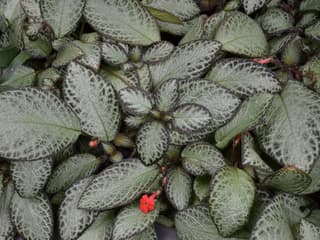
| Flame Violet | Easy | Partial shade | 7d | ✓ |
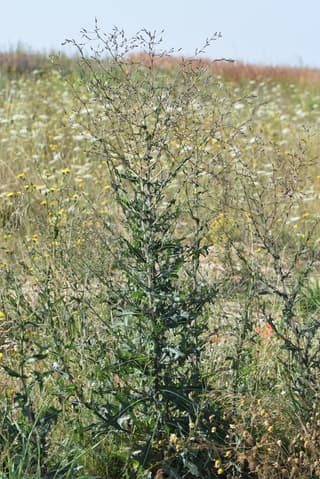
| Prickly Lettuce | Easy | Direct sun | 7d | ✓ |
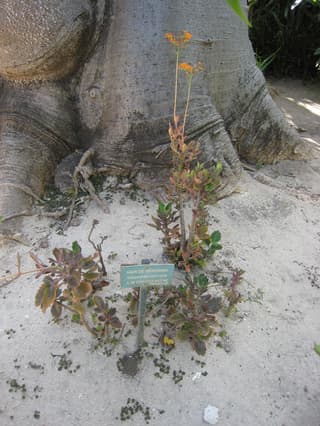
| Christmas Tree Plant | Easy | Bright indirect | 10d | ⚠️ |
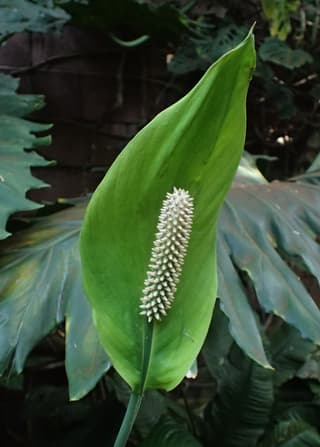
| Peace Lily | Easy | Low light | 7d | ⚠️ |