Fabaceae
Indian Coral Tree: How to Grow Erythrina variegata
Erythrina variegata
A low-maintenance tropical tree that thrives in full sun. Water every 14 days, allowing soil to dry between waterings. Prefers well-draining soil and tolerates drought once established. Prune in early spring to manage size and remove dead branches. Fertilize twice a year with a balanced fertilizer.
Every 14 days
Direct sun
5° - 35°C
60% - 90%
Categories
What is Indian Coral Tree?
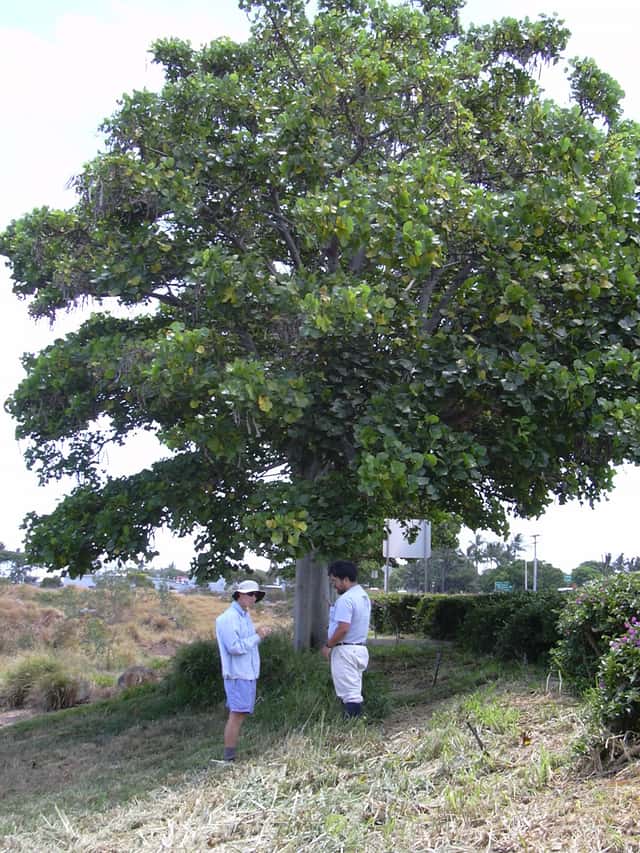
Indian Coral Tree (Erythrina variegata) is a easy-care plant from the Fabaceae family. Erythrina variegata, commonly known as the Indian Coral Tree or Tiger's Claw, is a large tropical tree in the Fabaceae family. Native to tropical Asia and the Pacific, it is celebrated for its stunning scarlet-red flower clusters that emerge before or alongside new leaves. A fast grower capable of r...
Indian Coral Tree grows up to 27.0m, with spread of 1500cm, watering every 14 days, 5°C – 35°C, 60–90% humidity. It is not suitable for indoor environments and not safe for pets.
Unlike many tropical plants, Indian Coral Tree tolerates watering mistakes. Best for beginners. Without precautions, ingestion can cause irritation in pets. Keep out of reach of cats and dogs.
How to Care for Indian Coral Tree?
TLDR: Indian Coral Tree needs Direct sun, watering every 14 days, and temperatures between 5-35°C with 60-90% humidity.
How Often Should You Water Indian Coral Tree?
Water deeply every 14 days during the growing season. Once established, the tree can tolerate 3-4 weeks without water. Always ensure good drainage — waterlogged soil leads to root rot.
How Much Light Does Indian Coral Tree Need?
Requires full sun with at least 6 hours of direct sunlight daily. Adequate sun exposure ensures vibrant flowering and healthy development.
What Is the Best Soil for Indian Coral Tree?
Plant in well-draining soil rich in organic matter. Tolerates sandy and loamy soils. Optimal pH is between 5.0 and 7.5. Good drainage is essential to prevent root rot.
What Pot Should You Use for Indian Coral Tree?
Large clay or ceramic pot (minimum 60 cm diameter) for container cultivation with excellent drainage. For garden planting, choose a permanent spot with ample space.
Care Schedule
Fertilize
Every 180 days
What Is Indian Coral Tree and Where Does It Come From?
Erythrina variegata, commonly known as the Indian Coral Tree or Tiger's Claw, is a large tropical tree in the Fabaceae family. Native to tropical Asia and the Pacific, it is celebrated for its stunning scarlet-red flower clusters that emerge before or alongside new leaves. A fast grower capable of reaching 27 meters in height, it is widely planted as an ornamental shade tree, living fence, and in agroforestry systems. The tree also holds significant importance in traditional medicine across South and Southeast Asian cultures.
How to Propagate Indian Coral Tree?
Stem Cutting
Use semi-hardwood cuttings. Apply rooting hormone to the base for better results. Avoid waterlogged soil.
- 1 Cut 20-25 cm cuttings from healthy semi-mature branches in winter
- 2 Let cuttings dry for 1-2 days before planting
- 3 Insert cuttings into well-draining substrate (perlite + coarse sand)
- 4 Keep substrate slightly moist in a sunny location
- 5 Wait for rooting before transplanting
Materials needed:
Seed Propagation
Fresh seeds germinate more readily. Scarification significantly increases germination rate.
- 1 Scarify seeds with sandpaper or soak in warm water for 24 hours
- 2 Plant seeds 2-3 cm deep in well-draining substrate
- 3 Keep moist in a warm location (25-30°C)
- 4 Transplant seedlings when they reach 10-15 cm tall
Materials needed:
How Big Does Indian Coral Tree Grow?
TLDR: Indian Coral Tree can reach up to 27.0m tall with Fast growth rate.
Max height
27.0m
Spread
15.0m
Growth rate
Fast
Foliage
Deciduous
Warning: Toxic Plant
This plant can be toxic if ingested. Keep out of reach of:
Plant Uses
Ornamental
Great for decoration
Medicinal
Medicinal properties
Medicinal Uses
- Bark used in traditional medicine to treat insomnia, anxiety, and muscle pain. Leaves have anti-inflammatory and analgesic properties used across South Asian cultures.
Is your plant showing symptoms?
Click on the symptom to discover possible causes:
What Diseases Commonly Affect Indian Coral Tree?
TLDR: Indian Coral Tree is susceptible to 6 known diseases. Monitor regularly for early detection.
Powdery Mildew
Powdery mildew is a common fungal disease caused by various fungi species including Erysiphe, Podosphaera, Oïdium, and Leveillula. It affects over 10,000 plant species worldwide. The disease thrives in warm, dry climates with high humidity and appears as a distinctive white powdery coating on plant surfaces.
Root Rot
Root rot is a serious fungal disease that affects the root system of plants, causing them to decay and die. It is primarily caused by overwatering, poor drainage, or soil-borne fungi such as Pythium, Phytophthora, Rhizoctonia, and Fusarium. The disease thrives in waterlogged conditions where roots are deprived of oxygen, making them susceptible to fungal infection.
Aphids
Aphids are small, soft-bodied, pear-shaped insects (1/16 to 1/8 inch long) that feed by sucking nutrient-rich sap from plants. They reproduce rapidly and can quickly weaken plants, causing distorted growth and transmitting plant viruses. Aphids come in various colors including green, black, red, yellow, brown, and gray. They secrete honeydew, a sticky substance that attracts ants and encourages sooty mold growth.
Mealybugs
Mealybugs are small, soft-bodied insects covered with a white, waxy, cottony material. They are common pests of houseplants and outdoor plants in mild climates. These sap-sucking insects feed on plant tissue, causing damage, stunted growth, and can lead to plant death if left untreated. They produce sticky honeydew which attracts sooty mold.
Meaning & Symbolism
A symbol of strength and rebirth in Asian and Pacific cultures. The vivid red blooms represent vitality and passion. In some traditions, the tree is associated with protection and fertility.
Fun Facts
The Indian Coral Tree is a nitrogen-fixing legume, naturally enriching the soil around it
The name erythrina comes from the Greek 'erythros' meaning red, a reference to its vivid flowers
In India, it is used as a living support for pepper and betel vine crops in traditional agroforestry
A mature tree can produce hundreds of brilliant red flowers before any leaves appear
Frequently asked questions
How often should I water the Indian Coral Tree?
Is the Indian Coral Tree toxic to pets?
Can I grow the Indian Coral Tree indoors?
When does the Indian Coral Tree bloom?
How do I propagate the Indian Coral Tree?
Compare with similar plants
| Attribute | Difficulty | Light | Watering | Pet Safe |
|---|---|---|---|---|
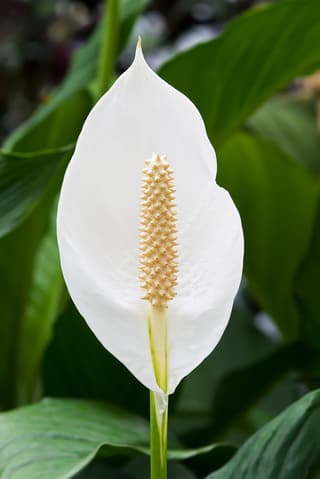
| Peace Lily | Easy | Low light | 4d | ⚠️ |
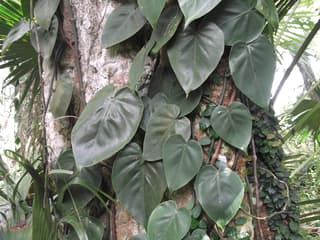
| Swiss Cheese Plant | Easy | Partial shade | 10d | ⚠️ |
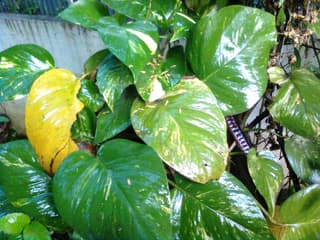
| Golden Pothos | Easy | Low light | 8d | ⚠️ |
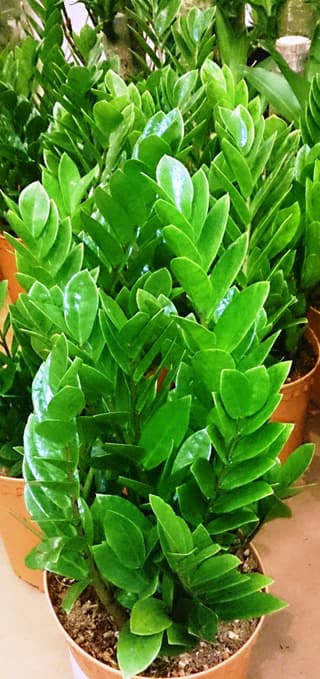
| ZZ Plant | Easy | Low light | 18d | ⚠️ |