Elatinaceae
Eight-Stamened Waterwort – Complete Aquarium Care Guide
Elatine hydropiper
A demanding aquatic carpet plant requiring high light (5000–15000 lux), CO2 injection (15+ mg/L), stable cool temperatures (16–26°C), and nutrient-rich substrate. Best suited for experienced aquascapers.
Every 1 days
Bright indirect
16° - 26°C
60% - 80%
Categories
What is Eight-Stamened Waterwort?
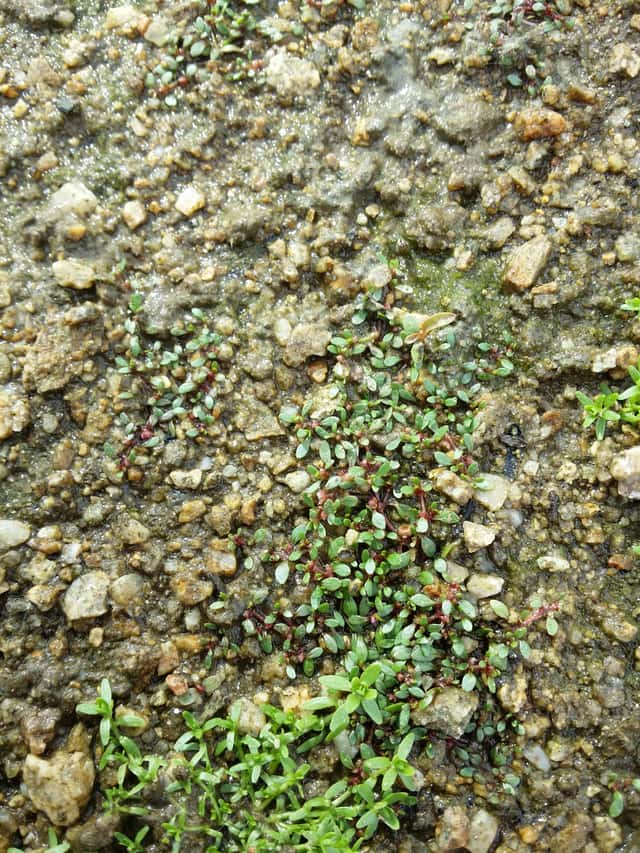
Eight-Stamened Waterwort (Elatine hydropiper) is a hard-care plant from the Elatinaceae family. Elatine hydropiper, commonly known as Eight-Stamened Waterwort, is a tiny aquatic carpeting plant native to Europe and temperate Asia. It forms a dense, lush green carpet in aquariums, making it a prized foreground plant in aquascaping. Related to Hemianthus callitrichoides 'Cuba' in visual appeal,...
Eight-Stamened Waterwort grows up to 5cm, spread of 30cm, watering every 1 days, 16°C – 26°C, 60–80% humidity. It is suitable for indoor environments and safe for pets.
Unlike easy-care plants, Eight-Stamened Waterwort demands constant attention to humidity and light. Not recommended for beginners. Unlike many popular species, Eight-Stamened Waterwort is safe to keep around pets. Without adequate drainage, root rot can develop within 7 days.
How to Care for Eight-Stamened Waterwort?
TLDR: Eight-Stamened Waterwort needs Bright indirect, watering every 1 days, and temperatures between 16-26°C with 60-80% humidity.
How Often Should You Water Eight-Stamened Waterwort?
Being a fully submerged aquatic plant, water quality is paramount. Perform regular partial water changes (20–30% weekly) to maintain water quality and prevent nutrient depletion. Sensitive to water pollutants.
How Much Light Does Eight-Stamened Waterwort Need?
Requires high-intensity lighting of at least 0.5–1 watt per liter. Use full-spectrum T5 HO or LED lighting. Insufficient light causes vertical etiolated growth instead of a flat carpet.
What Is the Best Soil for Eight-Stamened Waterwort?
Plant in a fine-grained, nutrient-rich substrate 3–5 cm deep. Aqua soil or a dedicated plant substrate is highly recommended to support CO2 and nutrient uptake.
What Pot Should You Use for Eight-Stamened Waterwort?
Low-profile tank (20–60 cm) with a fine substrate layer. Shallow rimless tanks maximise light penetration for carpet growth.
Care Schedule
Fertilize
Every 14 days
What Is Eight-Stamened Waterwort and Where Does It Come From?
Elatine hydropiper, commonly known as Eight-Stamened Waterwort, is a tiny aquatic carpeting plant native to Europe and temperate Asia. It forms a dense, lush green carpet in aquariums, making it a prized foreground plant in aquascaping. Related to Hemianthus callitrichoides 'Cuba' in visual appeal, it is known for its demanding care requirements—needing high light, CO2 injection, and stable water parameters.
How to Propagate Eight-Stamened Waterwort?
Stem Division / Trimming
Keep CO2 stable after replanting to prevent melting. Use tweezers to plant tiny portions firmly.
- 1 Trim carpet sections with sharp scissors
- 2 Remove the separated portion and replant in substrate
- 3 Press the roots gently into the substrate until anchored
- 4 Maintain high CO2 and light after replanting
Materials needed:
How Big Does Eight-Stamened Waterwort Grow?
TLDR: Eight-Stamened Waterwort can reach up to 5cm tall with Slow growth rate.
Max height
5cm
Spread
30cm
Growth rate
Slow
Foliage
Evergreen
Plant Uses
Ornamental
Great for decoration
Is your plant showing symptoms?
Click on the symptom to discover possible causes:
What Diseases Commonly Affect Eight-Stamened Waterwort?
TLDR: Eight-Stamened Waterwort is susceptible to 6 known diseases. Monitor regularly for early detection.
Iron Deficiency
Iron deficiency, commonly known as iron chlorosis, is a nutrient deficiency disorder where plants cannot access sufficient iron from the soil. While iron is typically abundant in soil, various soil conditions can limit plant uptake, resulting in characteristic yellowing of leaves while veins remain green.
Nutrient Deficiency
Nutrient deficiency occurs when a plant cannot access one or more essential mineral elements in sufficient quantities for healthy growth. Plants require 17 essential nutrients: macronutrients (N, P, K, Ca, Mg, S) and micronutrients (Fe, Zn, Mn, Cu, B, Mo, Cl). Each plays a unique role in metabolism, structure, and reproduction. Deficiencies arise from depleted soils, incorrect pH blocking uptake, poor watering practices leaching nutrients, root damage, or imbalanced fertilization. Understanding whether a nutrient is mobile or immobile determines where symptoms first appear: mobile nutrients (N, P, K, Mg) show symptoms on older leaves first, while immobile nutrients (Ca, Fe, Zn, Cu, B) show symptoms on new growth first.
Potassium Deficiency
Potassium deficiency is a nutritional disorder that affects a plant's ability to regulate stomatal opening and closing, resulting in characteristic leaf edge burn. Potassium is a mobile nutrient, so symptoms first appear on older, lower leaves.
Lack of Light
Lack of light, also known as etiolation, is an environmental condition that occurs when a plant does not receive adequate light for normal photosynthesis and growth. Without sufficient light, the plant cannot produce enough chlorophyll, leading to pale coloration, weakened tissues, and abnormal elongation as the plant stretches toward any available light source. Etiolation affects virtually all plant species, from sun-loving tropicals to shade-tolerant houseplants. While the condition is not contagious, it progressively weakens the plant over time, making it more susceptible to pests, disease, and physical damage. Prompt correction of lighting conditions is essential to reverse the effects and restore healthy growth.
Meaning & Symbolism
Symbol of delicate aquatic life and pristine water quality in aquascaping.
Fun Facts
Elatine hydropiper has eight stamens per flower, which is the origin of its common name Eight-Stamened Waterwort.
It is one of the smallest aquatic carpeting plants used in aquascaping, with leaves several times smaller than Glossostigma elatinoides.
Native to slow-moving and still freshwater habitats across Europe and temperate Asia, it often grows partially emersed in nature.
In high-tech planted tanks, it can form a carpet within 4–6 weeks under optimal conditions.
Frequently asked questions
How much light does Elatine hydropiper need?
Is CO2 injection mandatory for Elatine hydropiper?
What temperature range does Elatine hydropiper tolerate?
How do I propagate Elatine hydropiper?
Is Elatine hydropiper toxic to fish or shrimp?
Compare with similar plants
| Attribute | Difficulty | Light | Watering | Pet Safe |
|---|---|---|---|---|
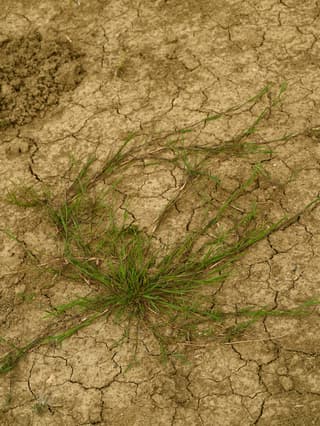
| Creeping bentgrass | Hard | Direct sun | 3d | ✓ |
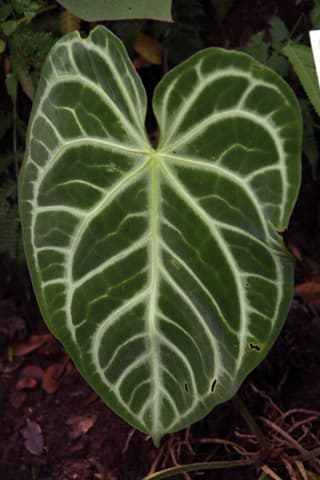
| Crystal Anthurium | Hard | Partial shade | 7d | ⚠️ |
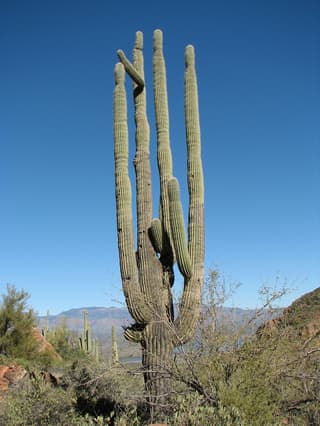
| Saguaro | Hard | Direct sun | 21d | ✓ |
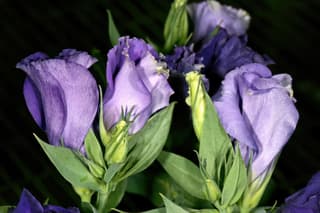
| Lisianthus | Hard | Bright indirect | 7d | ✓ |