Asparagaceae
Garden Asparagus — Asparagus officinalis
Asparagus officinalis
Easy-to-grow perennial. Prefers full sun and well-drained soil with pH 6.5–7.5. Water weekly once established — drought tolerant. Fertilize in spring with organic compost. Cut back dead ferns in winter. Do not harvest for the first 2 years to establish strong roots.
Every 7 days
Direct sun
5° - 35°C
40% - 70%
Categories
What is Garden Asparagus?
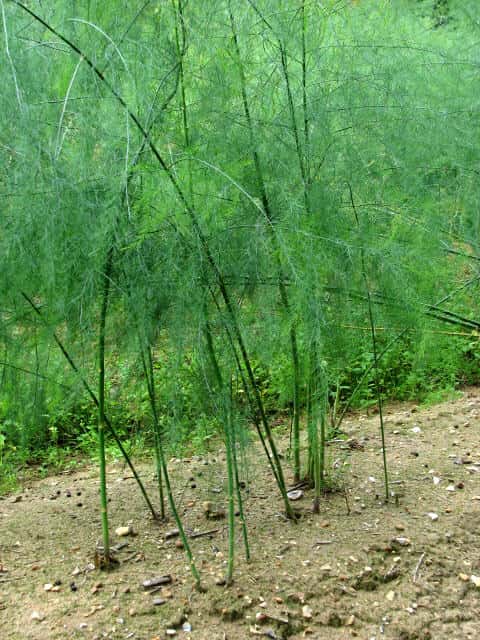
Garden Asparagus (Asparagus officinalis) is a easy-care plant from the Asparagaceae family. Garden Asparagus (Asparagus officinalis) is a perennial herbaceous plant native to the Mediterranean region and Asia Minor, cultivated for over 2,000 years as a prized food crop. It produces edible spears in spring and develops ornamental feathery ferns in summer. WARNING: The mature red berries are...
Garden Asparagus grows up to 1.5m, spread of 60cm, watering every 7 days, 5°C – 35°C, 40–70% humidity. It is not suitable for indoor environments and not safe for pets.
Unlike many tropical plants, Garden Asparagus tolerates watering mistakes. Best for beginners. Without precautions, ingestion can cause irritation in pets. Keep out of reach of cats and dogs.
How to Care for Garden Asparagus?
TLDR: Garden Asparagus needs Direct sun, watering every 7 days, and temperatures between 5-35°C with 40-70% humidity.
How Often Should You Water Garden Asparagus?
Water weekly after establishment. In the first months, keep soil consistently moist. Once established, asparagus is drought-tolerant but consistent spring watering improves spear production significantly.
How Much Light Does Garden Asparagus Need?
Requires full sun — minimum 6–8 hours daily. Tolerates partial shade but spear production drops significantly. Choose a permanent location as asparagus can produce for 15–20 years.
What Is the Best Soil for Garden Asparagus?
Prefers fertile, loose, well-drained soil. Avoid clay or compacted soils. Amend with sand or perlite to improve drainage. Ideal pH is 6.5–7.5. Add lime if soil is too acidic.
What Pot Should You Use for Garden Asparagus?
Garden bed or raised bed. Not recommended for containers due to deep extensive root system requiring permanent space.
Care Schedule
Fertilize
Every 90 days
What Is Garden Asparagus and Where Does It Come From?
Garden Asparagus (Asparagus officinalis) is a perennial herbaceous plant native to the Mediterranean region and Asia Minor, cultivated for over 2,000 years as a prized food crop. It produces edible spears in spring and develops ornamental feathery ferns in summer. WARNING: The mature red berries are toxic to humans, cats, and dogs.
How to Propagate Garden Asparagus?
Crown Division
Crown division yields productive plants fastest. Perform only in early spring before new growth begins.
- 1 Dig up the crown of a plant at least 3 years old
- 2 Divide the crown into sections with 2-3 claws each
- 3 Plant immediately at 15-20 cm deep
- 4 Keep soil moist until new shoots emerge
Materials needed:
Seed Sowing
Seed sowing takes longer but allows large-scale propagation at low cost. Prefer hybrid varieties like Jersey Knight or Jersey Giant.
- 1 Sow seeds in April-May in seed trays with potting mix
- 2 Maintain temperature 20-25°C for germination
- 3 Transplant seedlings to permanent location in fall
- 4 Wait 2-3 years before first harvest
Materials needed:
How Big Does Garden Asparagus Grow?
TLDR: Garden Asparagus can reach up to 1.5m tall with Medium growth rate.
Max height
1.5m
Spread
60cm
Growth rate
Medium
Foliage
Deciduous
Warning: Toxic Plant
This plant can be toxic if ingested. Keep out of reach of:
Plant Uses
Edible
Can be consumed
Medicinal
Medicinal properties
Medicinal Uses
- Diuretic properties — traditionally used to support kidney health
- Rich in folate, vitamins A, C, E, K, and potassium
- Anti-inflammatory and antioxidant compounds
Culinary Uses
- Spears are the edible part — harvested in spring when 20-25 cm tall
- Can be eaten raw, grilled, steamed, or roasted
- Base for soups, risottos, pasta, and gourmet side dishes
- White asparagus is the same species grown without sunlight to prevent chlorophyll development
Is your plant showing symptoms?
Click on the symptom to discover possible causes:
What Diseases Commonly Affect Garden Asparagus?
TLDR: Garden Asparagus is susceptible to 7 known diseases. Monitor regularly for early detection.
Crown Rot
Crown rot is a serious fungal disease that attacks the crown (base) of the plant where the stem meets the soil. It is caused by various fungal pathogens including Phytophthora, Fusarium, and Rhizoctonia. The disease thrives in waterlogged conditions and can quickly spread to kill the entire plant if not addressed promptly.
Rust
Rust is a common fungal disease caused by fungi in the order Pucciniales that affects a wide variety of plants. The disease gets its name from the characteristic orange, yellow, or reddish-brown pustules that appear on leaves, resembling metal rust. This obligate fungal parasite requires living plants to survive and can cause significant economic losses in agricultural crops.
Leaf Spot
Leaf spot is a common fungal disease caused by various pathogens including Alternaria, Ascochyta, Colletotrichum, Septoria, and Venturia. It primarily affects leaves, causing discolored spots that can lead to premature leaf drop if left untreated.
Cercospora Leaf Spot
Cercospora leaf spot is a common fungal disease caused by Cercospora species that affects many plant types, particularly beets, roses, and leafy vegetables. The disease thrives in warm, humid conditions and can cause significant defoliation, reducing plant vigor and yield. It spreads rapidly through water splash, wind, and contaminated tools.
Meaning & Symbolism
Symbol of longevity and prosperity. In ancient times, it was offered to the gods and associated with fertility and spring renewal. Romans prized it so highly they coined the phrase "faster than cooking asparagus" for speed.
Fun Facts
Asparagus was cultivated by ancient Egyptians over 5,000 years ago and considered a sacred food
A well-established asparagus crown can produce spears for 20 consecutive years
White and green asparagus are the same species — white asparagus grows without sunlight to prevent chlorophyll
Asparagus spears can grow up to 25 cm in a single day under ideal spring conditions
Frequently asked questions
When can I start harvesting asparagus?
Is asparagus toxic?
How often should I water asparagus?
Can asparagus grow in containers?
How long does an asparagus plant live?
Compare with similar plants
| Attribute | Difficulty | Light | Watering | Pet Safe |
|---|---|---|---|---|
| Field Maple | Easy | Bright indirect | 14d | ✓ |
| Silver Birch | Easy | Direct sun | 14d | ✓ |
| Cushion Bush | Easy | Direct sun | 14d | ✓ |
| Peruvian peppertree | Easy | Direct sun | 14d | ⚠️ |