Euphorbiaceae
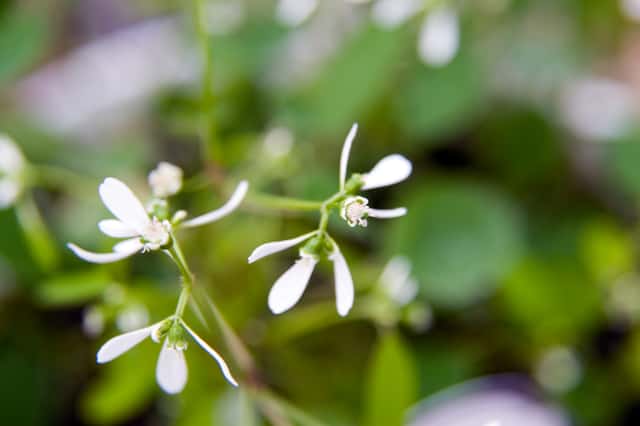
Diamond Frost Euphorbia (Euphorbia hypericifolia)
Euphorbia hypericifolia
An easy-care plant that thrives in full sun to partial shade with well-draining soil. Drought-tolerant once established; water moderately allowing soil to dry between waterings. Fertilize monthly during the growing season. Light pruning encourages bushier growth.
Every 7 days
Bright indirect
10° - 35°C
40% - 70%
Categories
What is Diamond Frost Euphorbia?
Diamond Frost Euphorbia (Euphorbia hypericifolia) is a easy-care plant from the Euphorbiaceae family. Diamond Frost Euphorbia (Euphorbia hypericifolia) is a tender ornamental annual prized for its delicate white bracts that create an airy, cloud-like effect. Native to tropical Americas from Mexico to South America, it belongs to the Euphorbiaceae family. The milky sap is toxic and can irritate skin,...
Diamond Frost Euphorbia grows up to 51cm, with spread of 46cm, watering every 7 days, 10°C – 35°C, 40–70% humidity. It is suitable for indoor environments and not safe for pets.
Unlike many tropical plants, Diamond Frost Euphorbia tolerates watering mistakes. Best for beginners. Without precautions, ingestion can cause irritation in pets. Keep out of reach of cats and dogs. Without adequate drainage, root rot can develop within 14 days.
How to Care for Diamond Frost Euphorbia?
TLDR: Diamond Frost Euphorbia needs Bright indirect, watering every 7 days, and temperatures between 10-35°C with 40-70% humidity.
How Often Should You Water Diamond Frost Euphorbia?
Water every 7 days on average, only when the top 2-3 inches of soil feel dry. Container plants may need more frequent watering in summer heat. Never allow the plant to sit in waterlogged soil as it is highly susceptible to root rot.
How Much Light Does Diamond Frost Euphorbia Need?
Prefers full sun (6+ hours daily) for maximum blooming. Tolerates partial shade but produces fewer flowers. Indoors, place near a bright south- or west-facing window to maintain flowering.
What Is the Best Soil for Diamond Frost Euphorbia?
Use lightweight, well-draining potting mix. A blend of regular potting soil with coarse sand or perlite works well. Avoid heavy, moisture-retaining soils that stay wet for extended periods.
What Pot Should You Use for Diamond Frost Euphorbia?
Terra cotta or ceramic pot with drainage holes. Looks especially beautiful in hanging baskets where arching stems can cascade. Choose a container 1-2 inches wider than the root ball.
Care Schedule
Fertilize
Every 30 days
Repot
Every 365 days
What Is Diamond Frost Euphorbia and Where Does It Come From?
Diamond Frost Euphorbia (Euphorbia hypericifolia) is a tender ornamental annual prized for its delicate white bracts that create an airy, cloud-like effect. Native to tropical Americas from Mexico to South America, it belongs to the Euphorbiaceae family. The milky sap is toxic and can irritate skin, eyes, and mucous membranes. Widely used in containers, hanging baskets, and garden borders for its non-stop blooming from spring until frost.
How to Propagate Diamond Frost Euphorbia?
Stem Cutting
Always wear gloves when handling as the sap causes skin irritation. Avoid overwatering during rooting. Diamond Frost is a patented sterile cultivar that cannot be propagated by seed.
- 1 Cut a healthy stem 3-4 inches long just below a node
- 2 Allow the milky sap to dry for 1-2 hours before planting
- 3 Insert into slightly moist, well-draining potting mix
- 4 Keep in a warm spot with bright indirect light until roots form
Materials needed:
How Big Does Diamond Frost Euphorbia Grow?
TLDR: Diamond Frost Euphorbia can reach up to 51cm tall with Fast growth rate.
Max height
51cm
Spread
46cm
Growth rate
Fast
Foliage
Evergreen
Warning: Toxic Plant
This plant can be toxic if ingested. Keep out of reach of:
Plant Uses
Ornamental
Great for decoration
Is your plant showing symptoms?
Click on the symptom to discover possible causes:
What Diseases Commonly Affect Diamond Frost Euphorbia?
TLDR: Diamond Frost Euphorbia is susceptible to 7 known diseases. Monitor regularly for early detection.
Root Rot
Root rot is a serious fungal disease that affects the root system of plants, causing them to decay and die. It is primarily caused by overwatering, poor drainage, or soil-borne fungi such as Pythium, Phytophthora, Rhizoctonia, and Fusarium. The disease thrives in waterlogged conditions where roots are deprived of oxygen, making them susceptible to fungal infection.
Overwatering
Overwatering occurs when plants receive too much water, depriving roots of oxygen and causing root rot. This environmental stress is one of the most common causes of houseplant death, as waterlogged soil prevents roots from breathing and functioning properly.
Powdery Mildew
Powdery mildew is a common fungal disease caused by various fungi species including Erysiphe, Podosphaera, Oïdium, and Leveillula. It affects over 10,000 plant species worldwide. The disease thrives in warm, dry climates with high humidity and appears as a distinctive white powdery coating on plant surfaces.
Mealybugs
Mealybugs are small, soft-bodied insects covered with a white, waxy, cottony material. They are common pests of houseplants and outdoor plants in mild climates. These sap-sucking insects feed on plant tissue, causing damage, stunted growth, and can lead to plant death if left untreated. They produce sticky honeydew which attracts sooty mold.
Meaning & Symbolism
Elegance and delicacy; symbolizes lightness, grace, and ethereal beauty — evoking the feeling of a crystal frost or floating cloud.
Fun Facts
Diamond Frost® is a patented, sterile cultivar that never sets seed — it blooms continuously because it cannot complete its reproductive cycle.
The milky white sap acts as a natural deterrent — deer and rabbits typically avoid this plant, making it ideal for wildlife-prone gardens.
Despite looking fragile and delicate, Diamond Frost is remarkably heat and drought tolerant, thriving in conditions that would stress many ornamentals.
Euphorbia hypericifolia is native to tropical Americas and has naturalized in many tropical and subtropical regions worldwide.
Frequently asked questions
Is Diamond Frost Euphorbia toxic to pets?
How often should I water Diamond Frost Euphorbia?
Why has my Diamond Frost stopped blooming?
Can I grow Diamond Frost Euphorbia indoors?
Does Diamond Frost need deadheading?
Compare with similar plants
| Attribute | Difficulty | Light | Watering | Pet Safe |
|---|---|---|---|---|
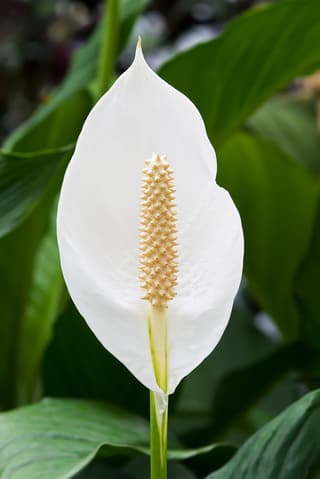
| Peace Lily | Easy | Low light | 4d | ⚠️ |
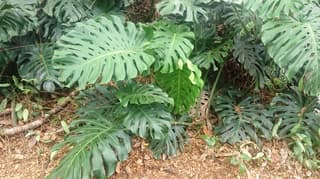
| Swiss Cheese Plant | Easy | Partial shade | 10d | ⚠️ |
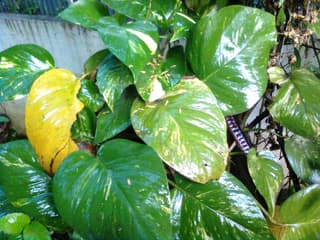
| Golden Pothos | Easy | Low light | 8d | ⚠️ |
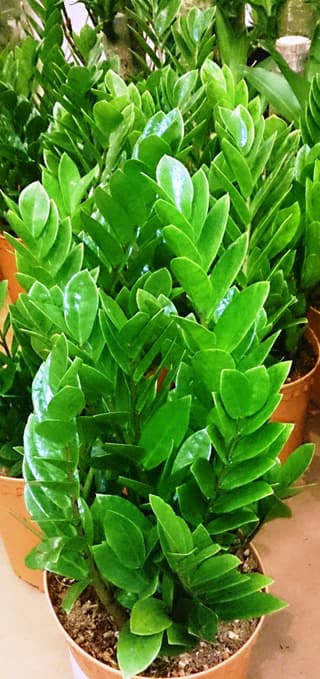
| ZZ Plant | Easy | Low light | 18d | ⚠️ |