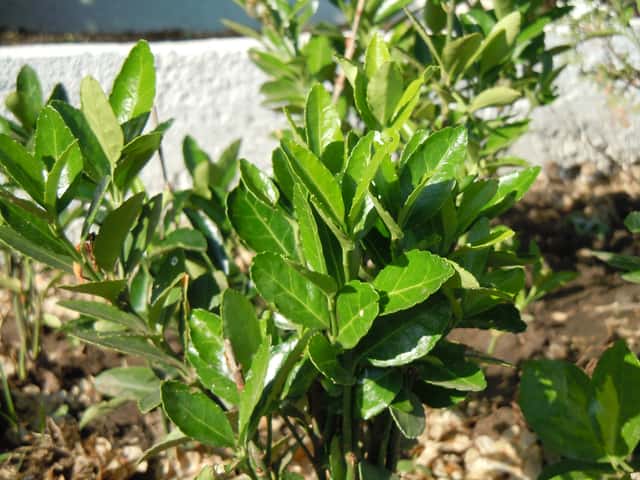
Celastraceae
Euonymus (Spindletree) Care Guide
Euonymus
Hardy and low-maintenance once established. Plant in well-drained soil in full sun to part shade. Water deeply but infrequently — established plants tolerate short droughts. Feed in spring with a balanced fertilizer. Prune lightly in late winter to maintain shape. Monitor for euonymus scale and powdery mildew.
Every 10 days
Bright indirect
-15° - 35°C
40% - 70%
Categories
What is Spindletree?
Spindletree (Euonymus) is a easy-care plant from the Celastraceae family. Euonymus is a diverse genus of over 130 species of shrubs, small trees, and climbers in the family Celastraceae, native to temperate regions of Asia, Europe, and North America. These hardy ornamentals are prized for their year-round interest: evergreen species like Euonymus japonicus provide dense h...
Spindletree grows up to 3.0m, spread of 200cm, watering every 10 days, -15°C – 35°C, 40–70% humidity. It is not suitable for indoor environments and not safe for pets.
Unlike many tropical plants, Spindletree tolerates watering mistakes. Best for beginners. Without precautions, ingestion can cause irritation in pets. Keep out of reach of cats and dogs.
How to Care for Spindletree?
TLDR: Spindletree needs Bright indirect, watering every 10 days, and temperatures between -15-35°C with 40-70% humidity.
How Often Should You Water Spindletree?
Water deeply every 7–14 days during the growing season. Once established (after the first full growing season), Euonymus is fairly drought-tolerant and requires watering only during extended dry spells.
How Much Light Does Spindletree Need?
Thrives in full sun to partial shade (6+ hours of direct sun preferred for best leaf color). Variegated forms produce the most vivid colors with more sun exposure.
What Is the Best Soil for Spindletree?
Plant in well-draining soil — loamy or sandy amended soils are ideal. Euonymus tolerates a wide pH range (6.0–7.5) but does not tolerate waterlogged or heavy clay soils. Amend with organic matter if drainage is poor.
What Pot Should You Use for Spindletree?
Outdoors in garden beds or large containers. Excellent for hedges, borders, and groundcover applications. When containerized, use a large pot (30+ cm) with good drainage holes.
Care Schedule
Fertilize
Every 90 days
What Is Spindletree and Where Does It Come From?
Euonymus is a diverse genus of over 130 species of shrubs, small trees, and climbers in the family Celastraceae, native to temperate regions of Asia, Europe, and North America. These hardy ornamentals are prized for their year-round interest: evergreen species like Euonymus japonicus provide dense hedging and bright variegated foliage, groundcover forms like Euonymus fortunei spread readily across slopes and borders, while the deciduous Euonymus alatus (burning bush) delivers spectacular crimson autumn color. Caution: all parts are moderately toxic if ingested.
How Big Does Spindletree Grow?
TLDR: Spindletree can reach up to 3.0m tall with Medium growth rate.
Max height
3.0m
Spread
2.0m
Growth rate
Medium
Foliage
Semi-evergreen
Warning: Toxic Plant
This plant can be toxic if ingested. Keep out of reach of:
Plant Uses
Ornamental
Great for decoration
Ground Cover
Soil coverage
Is your plant showing symptoms?
Click on the symptom to discover possible causes:
What Diseases Commonly Affect Spindletree?
TLDR: Spindletree is susceptible to 8 known diseases. Monitor regularly for early detection.
Powdery Mildew
Powdery mildew is a common fungal disease caused by various fungi species including Erysiphe, Podosphaera, Oïdium, and Leveillula. It affects over 10,000 plant species worldwide. The disease thrives in warm, dry climates with high humidity and appears as a distinctive white powdery coating on plant surfaces.
Scale Insects
Scale insects are small sap-sucking pests that appear as brown, shell-like bumps on plant stems and leaves. There are over 25 species, divided into armored (hard) and unarmored (soft) scales. They feed by piercing plant tissue and extracting sap, which weakens the plant and can lead to yellowing, stunted growth, and even death if left untreated. They also excrete honeydew, which attracts ants and promotes sooty mold growth.
Anthracnose
Anthracnose is a fungal disease caused by fungi in the genus Colletotrichum that affects many plants, including vegetables, fruits, and trees. The disease thrives in cool, wet conditions, causing dark, sunken lesions on leaves, stems, flowers, and fruits.
Cercospora Leaf Spot
Cercospora leaf spot is a common fungal disease caused by Cercospora species that affects many plant types, particularly beets, roses, and leafy vegetables. The disease thrives in warm, humid conditions and can cause significant defoliation, reducing plant vigor and yield. It spreads rapidly through water splash, wind, and contaminated tools.
Meaning & Symbolism
Resilience and transformation. The spectacular autumn fire of Euonymus alatus represents change and renewal.
Fun Facts
Euonymus alatus (burning bush) turns such a vivid scarlet in autumn that it's been called the "fire bush" — the fall color rivals even Japanese maples.
The genus name Euonymus means "of good name" or "lucky" in Greek — though ironically, the plants are toxic and were historically considered unlucky omens in parts of Europe.
Euonymus europaeus seeds are eaten by birds and spread widely — making this genus important for wildlife even as it spreads invasively outside its native range.
Euonymus scale insects feed exclusively on Euonymus species and are among the most host-specific pests in ornamental horticulture.
Frequently asked questions
Is Euonymus toxic to pets?
How fast does Euonymus grow?
Can Euonymus grow in shade?
Why are my Euonymus leaves turning white?
Compare with similar plants
| Attribute | Difficulty | Light | Watering | Pet Safe |
|---|---|---|---|---|
| Field Maple | Easy | Bright indirect | 14d | ✓ |
| Silver Birch | Easy | Direct sun | 14d | ✓ |
| Cushion Bush | Easy | Direct sun | 14d | ✓ |
| Peruvian peppertree | Easy | Direct sun | 14d | ⚠️ |





