Boraginaceae
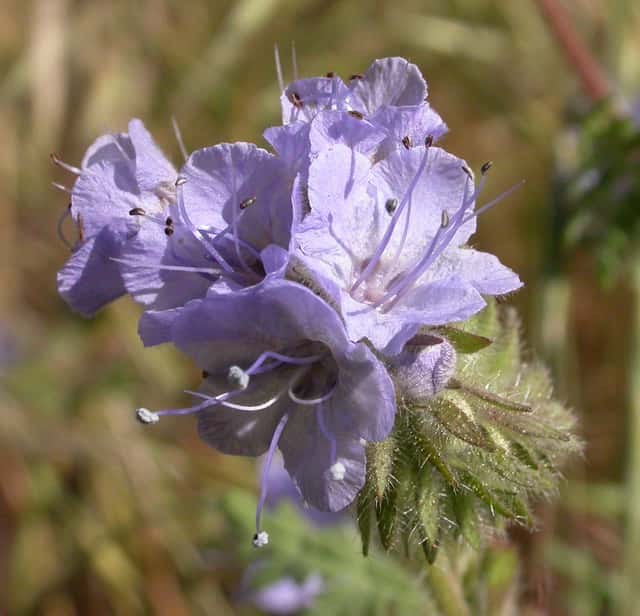
Lacy Phacelia (Phacelia tanacetifolia)
Phacelia tanacetifolia
Lacy Phacelia is extremely easy to grow. Sow directly outdoors in full sun, in well-draining soil. Water during germination; once established it tolerates drought well. No fertilization needed. Deadhead spent blooms to prolong flowering season.
Every 10 days
Direct sun
-8° - 35°C
30% - 70%
Categories
What is Lacy Phacelia?
Lacy Phacelia (Phacelia tanacetifolia) is a easy-care plant from the Boraginaceae family. Phacelia tanacetifolia, commonly known as Lacy Phacelia or Fiddleneck, is a fast-growing annual herb native to the southwestern United States. It produces masses of delicate, fern-like foliage and curling clusters of vibrant blue-purple flowers that are exceptionally attractive to bees, hoverflies,...
Lacy Phacelia grows up to 1.2m, spread of 120cm, watering every 10 days, -8°C – 35°C, 30–70% humidity. It is not suitable for indoor environments and safe for pets.
Unlike many tropical plants, Lacy Phacelia tolerates watering mistakes. Best for beginners. Unlike many popular species, Lacy Phacelia is safe to keep around pets.
How to Care for Lacy Phacelia?
TLDR: Lacy Phacelia needs Direct sun, watering every 10 days, and temperatures between -8-35°C with 30-70% humidity.
How Often Should You Water Lacy Phacelia?
Water every 10-14 days once established. During germination and early growth, keep soil consistently moist. This plant is drought-tolerant and dislikes waterlogged conditions — avoid overwatering to prevent root rot.
How Much Light Does Lacy Phacelia Need?
Requires full sun — at least 6 hours of direct sunlight daily. Best positioned in open garden beds or fields with no shade. More sunlight means more abundant flowering and stronger pollinator attraction.
What Is the Best Soil for Lacy Phacelia?
Thrives in well-draining, loamy to sandy soil. Tolerates poor, rocky, and sandy substrates. Amend heavy clay soils with compost or grit to improve drainage. Ideal pH range is 6.0–7.5.
What Pot Should You Use for Lacy Phacelia?
Outdoor garden beds, wildflower meadows, agricultural fields — not suited for pots
What Is Lacy Phacelia and Where Does It Come From?
Phacelia tanacetifolia, commonly known as Lacy Phacelia or Fiddleneck, is a fast-growing annual herb native to the southwestern United States. It produces masses of delicate, fern-like foliage and curling clusters of vibrant blue-purple flowers that are exceptionally attractive to bees, hoverflies, and other pollinators. Widely used as a cover crop and green manure in regenerative agriculture, it enriches soil, suppresses weeds, and supports beneficial insect populations.
How to Propagate Lacy Phacelia?
Direct Seeding
Seeds need darkness to germinate — ensure they are lightly covered. Autumn sowing is also possible in mild climates for earlier spring blooms.
- 1 Prepare a weed-free seedbed in a sunny location
- 2 Broadcast or drill seeds at 2-5g per m²
- 3 Lightly rake to cover seeds with 1-2cm of soil
- 4 Water gently and keep moist until germination (7-14 days)
- 5 Thin seedlings to 15-20cm apart if sown densely
Materials needed:
How Big Does Lacy Phacelia Grow?
TLDR: Lacy Phacelia can reach up to 1.2m tall with Fast growth rate.
Max height
1.2m
Spread
1.2m
Growth rate
Fast
Foliage
Deciduous
Plant Uses
Ornamental
Great for decoration
Ground Cover
Soil coverage
Is your plant showing symptoms?
Click on the symptom to discover possible causes:
What Diseases Commonly Affect Lacy Phacelia?
TLDR: Lacy Phacelia is susceptible to 4 known diseases. Monitor regularly for early detection.
Powdery Mildew
Powdery mildew is a common fungal disease caused by various fungi species including Erysiphe, Podosphaera, Oïdium, and Leveillula. It affects over 10,000 plant species worldwide. The disease thrives in warm, dry climates with high humidity and appears as a distinctive white powdery coating on plant surfaces.
Root Rot
Root rot is a serious fungal disease that affects the root system of plants, causing them to decay and die. It is primarily caused by overwatering, poor drainage, or soil-borne fungi such as Pythium, Phytophthora, Rhizoctonia, and Fusarium. The disease thrives in waterlogged conditions where roots are deprived of oxygen, making them susceptible to fungal infection.
Aphids
Aphids are small, soft-bodied, pear-shaped insects (1/16 to 1/8 inch long) that feed by sucking nutrient-rich sap from plants. They reproduce rapidly and can quickly weaken plants, causing distorted growth and transmitting plant viruses. Aphids come in various colors including green, black, red, yellow, brown, and gray. They secrete honeydew, a sticky substance that attracts ants and encourages sooty mold growth.
Spider Mites
Spider mites are tiny arachnids (less than 1/20 inch long) related to spiders and ticks that feed on plant sap. They thrive in hot, dry conditions and can cause significant damage to ornamental and vegetable plants. During severe infestations, crop losses can reach 14% or higher as these pests disrupt vital plant processes including photosynthesis, carbon dioxide absorption, and transpiration.
Meaning & Symbolism
A symbol of the pollinator-friendly garden and regenerative agriculture movement — representing the harmony between cultivated plants and wild ecosystems.
Fun Facts
One of the most valuable bee forage plants in temperate agriculture, producing up to 8kg of honey per hectare
Its fiddlehead-shaped flower clusters unfurl as they bloom — hence the common name Fiddleneck
As a cover crop, it can be turned into soil 4-6 weeks before planting to act as green manure
Native to California, it has naturalized across Europe and is widely used in agroecological farming systems
Frequently asked questions
When should I sow Lacy Phacelia seeds?
Does Lacy Phacelia need fertilizer?
Is Lacy Phacelia toxic to bees?
How long does Lacy Phacelia bloom?
Can Lacy Phacelia grow in containers?
Compare with similar plants
| Attribute | Difficulty | Light | Watering | Pet Safe |
|---|---|---|---|---|
| Field Maple | Easy | Bright indirect | 14d | ✓ |
| Silver Birch | Easy | Direct sun | 14d | ✓ |
| Cushion Bush | Easy | Direct sun | 14d | ✓ |
| Peruvian peppertree | Easy | Direct sun | 14d | ⚠️ |





