Malvaceae
Fanpetals (Sida sp): The Medicinal Shrub of Tropical Americas
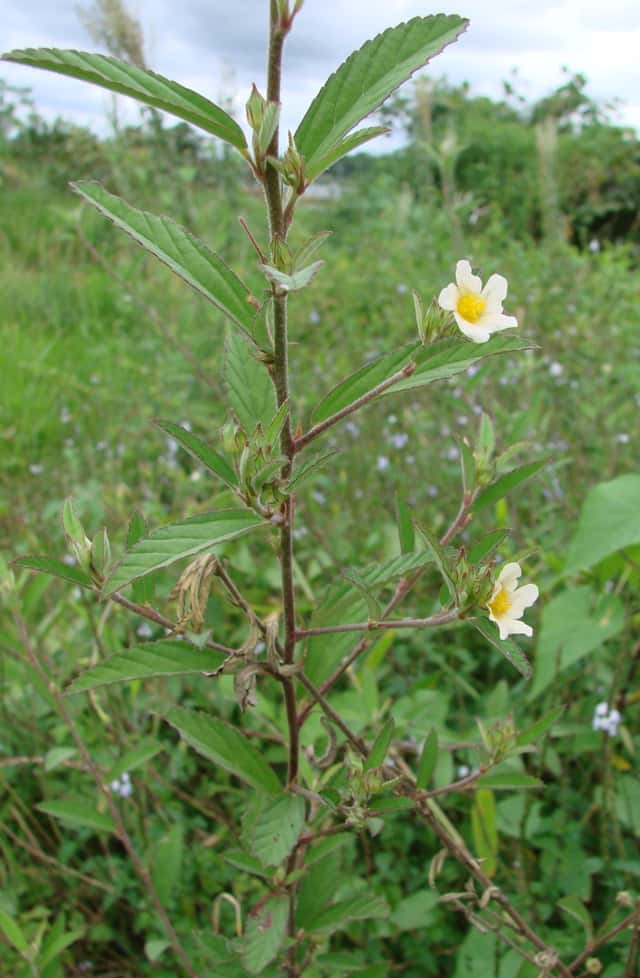
Sida sp
Fanpetals is a hardy, low-maintenance plant ideal for outdoor sunny spots. It prefers sandy, well-drained soil and is drought tolerant. Water every 5 to 7 days in warm months, reducing in winter. Light fertilization every 30 days supports vigorous growth. Periodic pruning keeps it compact and bushy.
Every 5 days
Bright indirect
15° - 38°C
40% - 70%
Categories
What is Fanpetals?
Fanpetals (Sida sp) is a easy-care plant from the Malvaceae family. Fanpetals (Sida sp) is a genus of herbs and subshrubs in the Malvaceae family, encompassing over 170 species native to tropical and subtropical regions of the Americas. Plants grow up to 2 meters tall with hairy, felt-like stems and small five-petaled flowers in shades of yellow, orange, or white. S...
Fanpetals grows up to 2.0m, with spread of 100cm, watering every 5 days, 15°C – 38°C, 40–70% humidity. It is not suitable for indoor environments and safe for pets.
Unlike many tropical plants, Fanpetals tolerates watering mistakes. Best for beginners. Unlike many popular species, Fanpetals is safe to keep around pets.
How to Care for Fanpetals?
TLDR: Fanpetals needs Bright indirect, watering every 5 days, and temperatures between 15-38°C with 40-70% humidity.
How Often Should You Water Fanpetals?
Water every 5 to 7 days during warm seasons. Fanpetals is drought tolerant, so allow the soil to partially dry between waterings. Avoid overwatering as it can lead to root rot.
How Much Light Does Fanpetals Need?
Fanpetals thrives in full sun and requires at least 6 hours of direct sunlight daily. Outdoor placement in a bright, open area is ideal. Shade reduces flowering and overall vigor.
What Is the Best Soil for Fanpetals?
Use sandy or sandy-loam soil with excellent drainage. A pH of 5.5 to 7.5 is ideal. Avoid heavy clay or waterlogged soils, as the plant is prone to root rot in saturated conditions.
What Pot Should You Use for Fanpetals?
Wide terracotta pot or large container with drainage holes. For garden planting, plant directly in well-drained soil.
Care Schedule
Fertilize
Every 30 days
Repot
Every 365 days
What Is Fanpetals and Where Does It Come From?
Fanpetals (Sida sp) is a genus of herbs and subshrubs in the Malvaceae family, encompassing over 170 species native to tropical and subtropical regions of the Americas. Plants grow up to 2 meters tall with hairy, felt-like stems and small five-petaled flowers in shades of yellow, orange, or white. Several species have a long history of use in traditional medicine across Brazil, India, and Africa.
How to Propagate Fanpetals?
Seed Sowing
Lightly scarify seeds before sowing to improve germination rates. Germinate in a warm, bright spot.
- 1 Collect mature seeds from the mother plant
- 2 Prepare a tray with sandy, well-draining soil mix
- 3 Sow seeds 0.5 cm deep and cover lightly
- 4 Keep soil moist until germination
- 5 Transplant seedlings when they reach 10 cm tall
Materials needed:
How Big Does Fanpetals Grow?
TLDR: Fanpetals can reach up to 2.0m tall with Fast growth rate.
Max height
2.0m
Spread
1.0m
Growth rate
Fast
Foliage
Evergreen
Warning: Toxic Plant
This plant can be toxic if ingested. Keep out of reach of:
Plant Uses
Medicinal
Medicinal properties
Ornamental
Great for decoration
Medicinal Uses
- Oral mucosa inflammation
- Antiasthmatic and nasal decongestant
- Anti-inflammatory and natural analgesic
- Antirheumatic and diuretic
- Antipyretic in folk medicine
Is your plant showing symptoms?
Click on the symptom to discover possible causes:
What Diseases Commonly Affect Fanpetals?
TLDR: Fanpetals is susceptible to 9 known diseases. Monitor regularly for early detection.
Aphids
Aphids are small, soft-bodied, pear-shaped insects (1/16 to 1/8 inch long) that feed by sucking nutrient-rich sap from plants. They reproduce rapidly and can quickly weaken plants, causing distorted growth and transmitting plant viruses. Aphids come in various colors including green, black, red, yellow, brown, and gray. They secrete honeydew, a sticky substance that attracts ants and encourages sooty mold growth.
Spider Mites
Spider mites are tiny arachnids (less than 1/20 inch long) related to spiders and ticks that feed on plant sap. They thrive in hot, dry conditions and can cause significant damage to ornamental and vegetable plants. During severe infestations, crop losses can reach 14% or higher as these pests disrupt vital plant processes including photosynthesis, carbon dioxide absorption, and transpiration.
Whiteflies
Whiteflies are small, soft-bodied, winged insects closely related to aphids and mealybugs. They are moth-like in appearance, about 1/16 inch long, triangular in shape, and gray-white in color. These sap-sucking pests feed on plant tissue, causing yellowing, stunted growth, and wilting. They also excrete honeydew, which attracts ants and promotes sooty mold growth. Whiteflies can transmit serious plant viruses.
Mealybugs
Mealybugs are small, soft-bodied insects covered with a white, waxy, cottony material. They are common pests of houseplants and outdoor plants in mild climates. These sap-sucking insects feed on plant tissue, causing damage, stunted growth, and can lead to plant death if left untreated. They produce sticky honeydew which attracts sooty mold.
Meaning & Symbolism
In tropical Americas, Fanpetals symbolizes resilience and healing. Historically used by indigenous and rural communities, it represents the connection between humanity and natural medicine.
Fun Facts
The Sida genus contains over 170 species found across tropical regions worldwide
Its flowers open in the morning and close by noon, a characteristic behavior of the Malvaceae family
Indigenous peoples of the Americas have used Sida species as medicine for centuries, treating fever, rheumatism, and respiratory ailments
Despite being considered a weed in agriculture, Fanpetals is officially recognized in the pharmacopoeias of Brazil and India
Frequently asked questions
How often should I water Fanpetals?
Can Fanpetals be grown in a pot?
Is Fanpetals toxic to humans?
When does Fanpetals bloom?
What are the medicinal uses of Fanpetals?
Compare with similar plants
| Attribute | Difficulty | Light | Watering | Pet Safe |
|---|---|---|---|---|
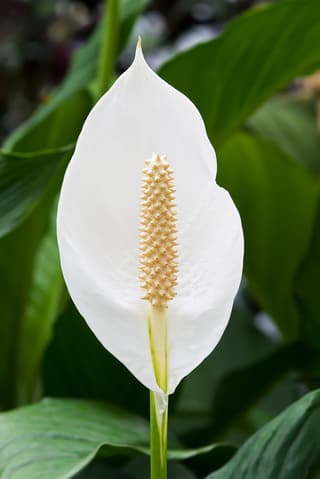
| Peace Lily | Easy | Low light | 4d | ⚠️ |
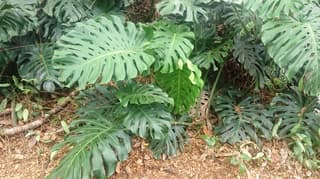
| Swiss Cheese Plant | Easy | Partial shade | 10d | ⚠️ |
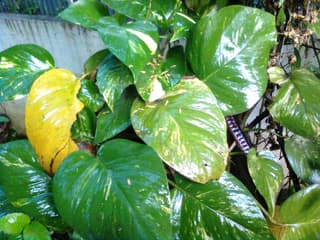
| Golden Pothos | Easy | Low light | 8d | ⚠️ |
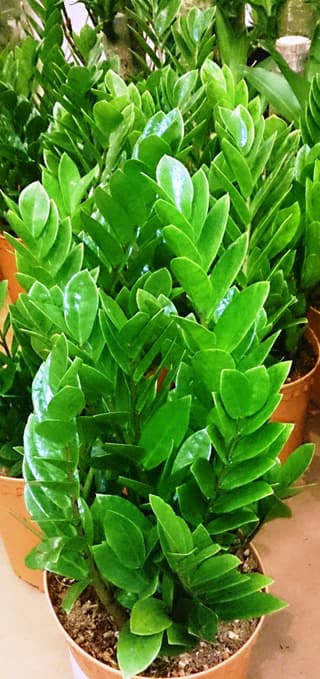
| ZZ Plant | Easy | Low light | 18d | ⚠️ |