Sapindaceae
Fern Tree: Pet-Safe Plant
Filicium decipiens
Requires bright indirect light, soil rich in organic matter, and consistent moisture. Protect it from strong winds and temperatures below 15°C (59°F).
Every 7 days
Bright indirect
10° - 35°C
50% - 80%
Categories
What is Fern Tree?
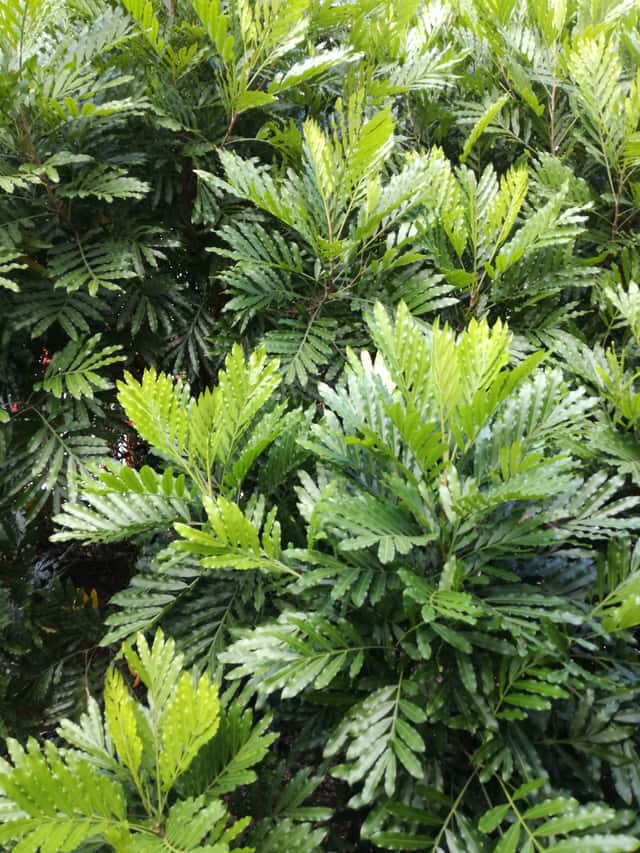
Fern Tree (Filicium decipiens) is a easy-care plant from the Sapindaceae family. Filicium decipiens, commonly known as the Fern Tree, is a small to medium-sized tree native to East Africa and South Asia. It is widely appreciated in landscaping for its dense and elegant foliage, with pinnate leaves that resemble fern fronds. It features a rounded, symmetrical canopy with glossy g...
Fern Tree grows up to 20.0m, with spread of 600cm, watering every 7 days, 10°C – 35°C, 50–80% humidity. It is suitable for indoor environments and safe for pets.
Unlike many tropical plants, Fern Tree tolerates watering mistakes. Best for beginners. Unlike many popular species, Fern Tree is safe to keep around pets. Without adequate drainage, root rot can develop within 14 days.
How to Care for Fern Tree?
TLDR: Fern Tree needs Bright indirect, watering every 7 days, and temperatures between 10-35°C with 50-80% humidity.
How Often Should You Water Fern Tree?
Keep the soil evenly moist. In summer, watering should be frequent, but reduce it in winter to prevent root rot.
How Much Light Does Fern Tree Need?
Thrives in filtered light or partial shade. Avoid intense direct sun during the hottest hours of the day to prevent leaf burn.
What Is the Best Soil for Fern Tree?
Use a mix of potting soil, organic compost, and a bit of sand to ensure proper drainage and nutrition.
What Pot Should You Use for Fern Tree?
Large ceramic or polyethylene pots with excellent drainage to support root growth.
Care Schedule
Fertilize
Every 30 days
Misting
Every 3 days
Rotate
Every 30 days
Repot
Every 730 days
What Is Fern Tree and Where Does It Come From?
Filicium decipiens, commonly known as the Fern Tree, is a small to medium-sized tree native to East Africa and South Asia. It is widely appreciated in landscaping for its dense and elegant foliage, with pinnate leaves that resemble fern fronds. It features a rounded, symmetrical canopy with glossy green leaves and a distinctive winged rachis. It is an excellent choice for tropical gardens or as a statement plant in large pots for well-lit interiors.
How to Propagate Fern Tree?
Sowing
- Fresh seeds have a significantly higher germination rate.
- Keep the substrate always moist, but never waterlogged.
- 1 Seed collection
Harvest ripe (purple) fruits and remove the pulp to extract the seeds.
- 2 Preparation
Clean the seeds well and sow immediately in a light, moist substrate.
- 3 Germination
Keep the seed tray in a warm place with indirect light until the seedlings emerge.
Materials needed:
Semi-hardwood cuttings
- Using bottom heat can help with rooting.
- Keep the cutting covered with clear plastic to retain humidity.
- 1 Cutting the stem
Cut a 15-20 cm semi-hardwood branch segment with at least two nodes.
- 2 Treatment
Remove the lower leaves and dip the base in rooting hormone.
- 3 Planting
Plant in a sandy substrate and maintain high humidity, preferably in a greenhouse.
Materials needed:
How Big Does Fern Tree Grow?
TLDR: Fern Tree can reach up to 20.0m tall with Slow growth rate.
Max height
20.0m
Spread
6.0m
Growth rate
Slow
Foliage
Evergreen
Plant Uses
Ornamental
Great for decoration
Air Purifying
Improves air quality
Is your plant showing symptoms?
Click on the symptom to discover possible causes:
What Diseases Commonly Affect Fern Tree?
TLDR: Fern Tree is susceptible to 10 known diseases. Monitor regularly for early detection.
Root Rot
Root rot is a serious fungal disease that affects the root system of plants, causing them to decay and die. It is primarily caused by overwatering, poor drainage, or soil-borne fungi such as Pythium, Phytophthora, Rhizoctonia, and Fusarium. The disease thrives in waterlogged conditions where roots are deprived of oxygen, making them susceptible to fungal infection.
Overwatering
Overwatering occurs when plants receive too much water, depriving roots of oxygen and causing root rot. This environmental stress is one of the most common causes of houseplant death, as waterlogged soil prevents roots from breathing and functioning properly.
Cold Damage
Cold damage, also known as frost injury, occurs when plants are exposed to freezing or near-freezing temperatures. This environmental stress can cause cellular damage as ice crystals form within plant tissues, rupturing cells and disrupting normal plant functions. Chilling injury can also occur in sensitive species at temperatures between 32-55°F (0-10°C), even without actual freezing.
Scale Insects
Scale insects are small sap-sucking pests that appear as brown, shell-like bumps on plant stems and leaves. There are over 25 species, divided into armored (hard) and unarmored (soft) scales. They feed by piercing plant tissue and extracting sap, which weakens the plant and can lead to yellowing, stunted growth, and even death if left untreated. They also excrete honeydew, which attracts ants and promotes sooty mold growth.
Meaning & Symbolism
Represents lightness, tropical elegance, and constant renewal.
Compare with similar plants
| Attribute | Difficulty | Light | Watering | Pet Safe |
|---|---|---|---|---|
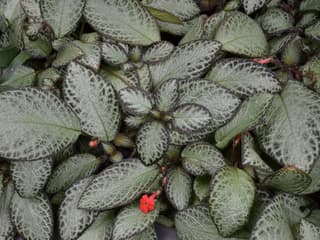
| Flame Violet | Easy | Partial shade | 7d | ✓ |
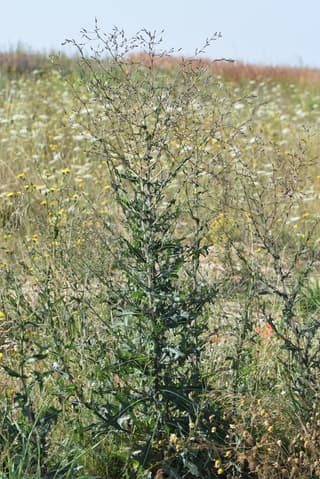
| Prickly Lettuce | Easy | Direct sun | 7d | ✓ |
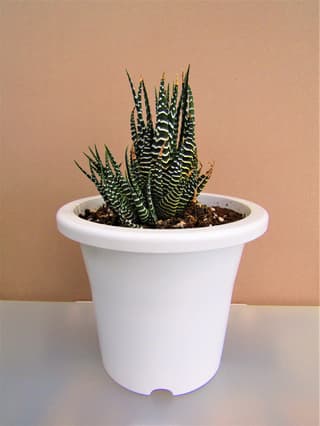
| Haworthiopsis (genus) | Easy | Partial shade | 14d | ✓ |
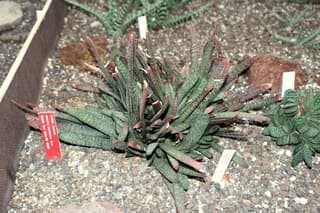
| Gasteria (genus) | Easy | Partial shade | 14d | ✓ |
Choose & Compare
Sources & References
- Filicium decipiens Guide: How to Grow & Care for Fern Tree - GardenBeast
- Japanese Fern Tree - How to Care and Characteristics - Planticulous
- Japanese Fern Tree Filicium Decipiens - Jiffy Plants
- Filicium decipiens - Top Tropicals Plant Encyclopedia
- Filicium decipiens - Wikipedia
- Filicium decipiens - National Parks Board Singapore