Crassulaceae
Christmas Tree Plant (Kalanchoe laciniata): How to Grow and Care
Kalanchoe laciniata
Easy-care succulent that thrives in bright, direct light and well-draining soil. Water sparingly using the soak-and-dry method — allow soil to completely dry between waterings. Tolerates neglect better than overwatering. Best in warm, frost-free climates outdoors or in bright sunny indoor spots.
Every 10 days
Bright indirect
-1° - 35°C
30% - 50%
Categories
What is Christmas Tree Plant?
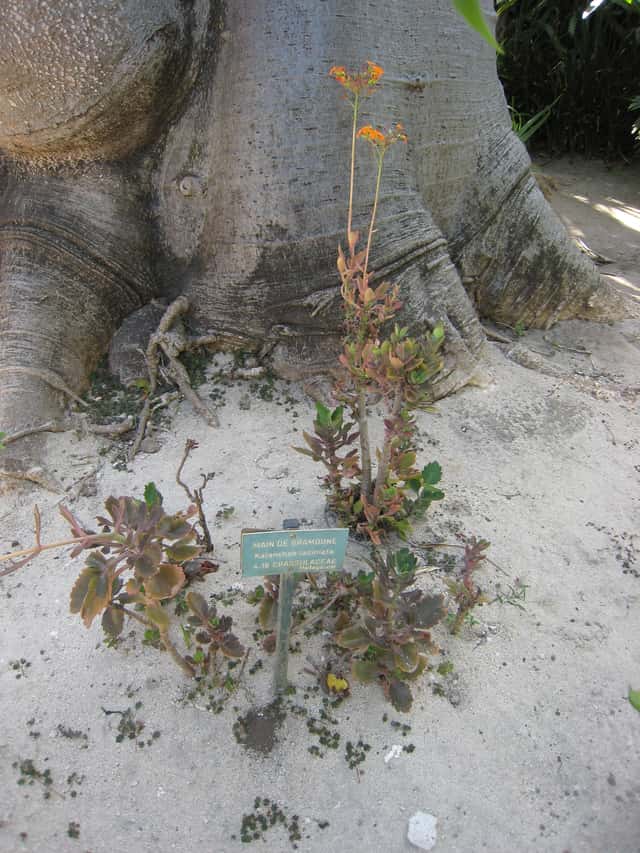
Christmas Tree Plant (Kalanchoe laciniata) is a easy-care plant from the Crassulaceae family. Kalanchoe laciniata, commonly known as the Christmas Tree Plant, is a striking succulent native to tropical Africa and the Arabian Peninsula. It produces deeply dissected, fern-like green leaves that give it a tree-like silhouette, earning its festive common name. In spring and summer, it bears clus...
Christmas Tree Plant grows up to 1.0m, spread of 60cm, watering every 10 days, -1°C – 35°C, 30–50% humidity. It is suitable for indoor environments and not safe for pets.
Unlike many tropical plants, Christmas Tree Plant tolerates watering mistakes. Best for beginners. Without precautions, ingestion can cause irritation in pets. Keep out of reach of cats and dogs. Without adequate drainage, root rot can develop within 20 days.
How to Care for Christmas Tree Plant?
TLDR: Christmas Tree Plant needs Bright indirect, watering every 10 days, and temperatures between -1-35°C with 30-50% humidity.
How Often Should You Water Christmas Tree Plant?
Water thoroughly using the soak-and-dry method: water deeply until it drains from the bottom, then let the soil dry out completely before watering again (every 10–14 days). Never let roots sit in standing water — this is the leading cause of root rot.
How Much Light Does Christmas Tree Plant Need?
Provide full sun to bright indirect light. Outdoors, full sun is ideal. Indoors, place in a south- or west-facing window with at least 6 hours of bright light daily. Insufficient light causes leggy growth and poor flowering.
What Is the Best Soil for Christmas Tree Plant?
Use a well-draining succulent or cactus mix. A blend of 60% peat moss (or coco coir) and 40% perlite works well. Good drainage is essential — avoid heavy clay soils that retain moisture.
What Pot Should You Use for Christmas Tree Plant?
Use a terracotta or clay pot with drainage holes. These materials allow excess moisture to evaporate, reducing the risk of overwatering and root rot. Avoid plastic or glazed ceramic pots without drainage.
Care Schedule
Fertilize
Every 90 days
Repot
Every 730 days
What Is Christmas Tree Plant and Where Does It Come From?
Kalanchoe laciniata, commonly known as the Christmas Tree Plant, is a striking succulent native to tropical Africa and the Arabian Peninsula. It produces deeply dissected, fern-like green leaves that give it a tree-like silhouette, earning its festive common name. In spring and summer, it bears clusters of tubular yellow to orange flowers that attract pollinators.
How to Propagate Christmas Tree Plant?
Stem Cutting
Let the cut end dry completely before planting to prevent rot. Avoid watering too soon.
- 1 Take a 3–4 inch stem cutting with 2–3 leaves attached
- 2 Allow the cut end to callous for 2–3 days in a dry, shaded spot
- 3 Insert the calloused end into a dry, well-draining succulent mix
- 4 Water lightly after 1 week and place in bright indirect light
- 5 Roots typically develop within 2–3 weeks
Materials needed:
Leaf Cutting
Ensure the entire leaf base is intact for best success. Do not bury the leaf.
- 1 Gently remove a healthy leaf at its base without leaving a stem remnant
- 2 Place the leaf on top of dry, well-draining succulent mix
- 3 Do not water until tiny roots and plantlets appear
- 4 Once plantlets are visible, mist lightly every few days
Materials needed:
How Big Does Christmas Tree Plant Grow?
TLDR: Christmas Tree Plant can reach up to 1.0m tall with Medium growth rate.
Max height
1.0m
Spread
60cm
Growth rate
Medium
Foliage
Evergreen
Warning: Toxic Plant
This plant can be toxic if ingested. Keep out of reach of:
Plant Uses
Ornamental
Great for decoration
Medicinal
Medicinal properties
Medicinal Uses
- Used in traditional medicine in parts of Africa and Asia to treat wounds, fever, and inflammations
- Leaf extracts have demonstrated antibacterial properties in some studies
Is your plant showing symptoms?
Click on the symptom to discover possible causes:
What Diseases Commonly Affect Christmas Tree Plant?
TLDR: Christmas Tree Plant is susceptible to 11 known diseases. Monitor regularly for early detection.
Root Rot
Root rot is a serious fungal disease that affects the root system of plants, causing them to decay and die. It is primarily caused by overwatering, poor drainage, or soil-borne fungi such as Pythium, Phytophthora, Rhizoctonia, and Fusarium. The disease thrives in waterlogged conditions where roots are deprived of oxygen, making them susceptible to fungal infection.
Powdery Mildew
Powdery mildew is a common fungal disease caused by various fungi species including Erysiphe, Podosphaera, Oïdium, and Leveillula. It affects over 10,000 plant species worldwide. The disease thrives in warm, dry climates with high humidity and appears as a distinctive white powdery coating on plant surfaces.
Gray Mold (Botrytis Blight)
Gray mold, caused by the fungus Botrytis cinerea, is one of the most common fungal diseases in plants. It affects over 200 plant species, including ornamentals, vegetables, fruits, and houseplants. The disease thrives in cool, humid conditions with poor air circulation, causing grayish spots and soft rot on infected tissues.
Leaf Spot
Leaf spot is a common fungal disease caused by various pathogens including Alternaria, Ascochyta, Colletotrichum, Septoria, and Venturia. It primarily affects leaves, causing discolored spots that can lead to premature leaf drop if left untreated.
Meaning & Symbolism
The Christmas Tree Plant symbolizes resilience, endurance, and festive joy. Its distinctive tree-like foliage makes it a popular decorative plant during the holiday season.
Fun Facts
Despite its name, Kalanchoe laciniata has no botanical relation to Christmas trees — its deeply lobed leaves simply resemble conifer branches
Native to tropical Africa and the Arabian Peninsula, it has naturalized across Asia, India, and Brazil
In traditional medicine across Africa and Asia, leaf poultices have been used to treat wounds and skin infections
It is a monocarpic species in some conditions, meaning individual rosettes can die after flowering, but the plant spreads through offsets
Frequently asked questions
How often should I water the Christmas Tree Plant?
Is the Christmas Tree Plant (Kalanchoe laciniata) toxic to pets?
Why is my Christmas Tree Plant getting leggy?
When does the Christmas Tree Plant flower?
Can I grow the Christmas Tree Plant outdoors?
Compare with similar plants
| Attribute | Difficulty | Light | Watering | Pet Safe |
|---|---|---|---|---|
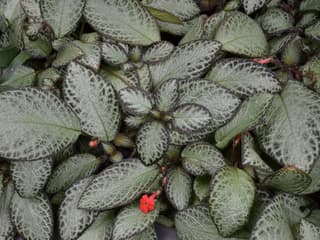
| Flame Violet | Easy | Partial shade | 7d | ✓ |
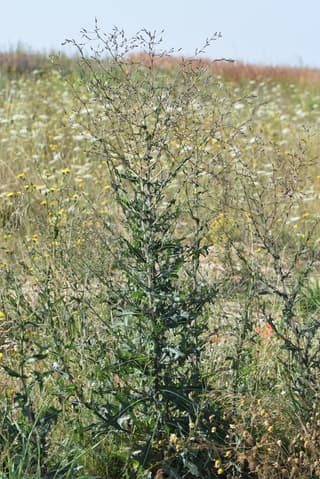
| Prickly Lettuce | Easy | Direct sun | 7d | ✓ |
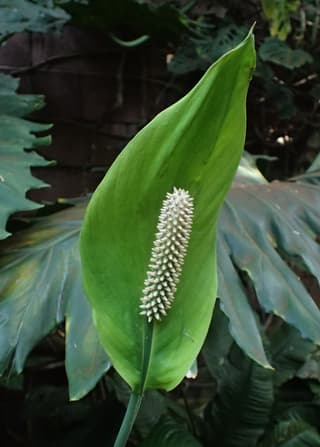
| Peace Lily | Easy | Low light | 7d | ⚠️ |
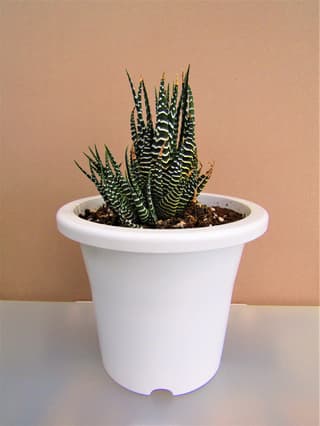
| Haworthiopsis (genus) | Easy | Partial shade | 14d | ✓ |