Apocynaceae
Frangipani (Plumeria rubra): Complete Care Guide
Plumeria rubra
Full-sun tropical plant that loves heat and tolerates drought once established. Water every 7-10 days during the growing season, allowing soil to dry completely between waterings. Reduce watering significantly in winter during dormancy. Use a fast-draining soil mix and fertilize monthly with a phosphorus-rich fertilizer to encourage blooming. Protect from frost.
Every 8 days
Direct sun
10° - 38°C
40% - 60%
Categories
What is Frangipani?
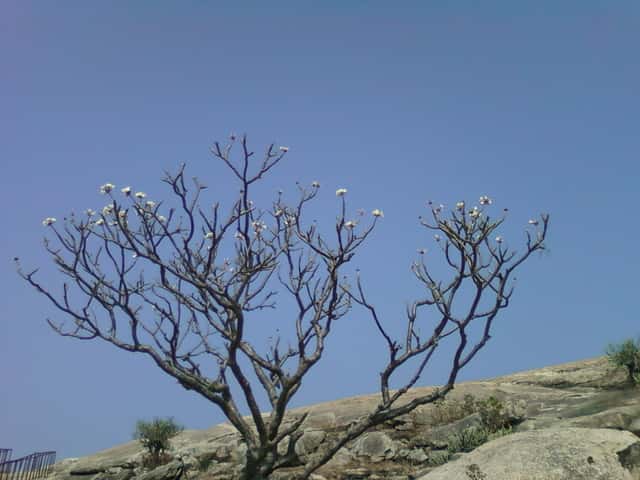
Frangipani (Plumeria rubra) is a easy-care plant from the Apocynaceae family. Frangipani (Plumeria rubra) is a deciduous shrub or small tree native to Mexico and Central America, celebrated worldwide for its intensely fragrant, waxy flowers in shades of white, yellow, orange, pink, and red. It thrives in hot, sunny climates, tolerates drought once established, and is among th...
Frangipani grows up to 8.0m, with spread of 600cm, watering every 8 days, 10°C – 38°C, 40–60% humidity. It is not suitable for indoor environments and not safe for pets.
Unlike many tropical plants, Frangipani tolerates watering mistakes. Best for beginners. Without precautions, ingestion can cause irritation in pets. Keep out of reach of cats and dogs.
How to Care for Frangipani?
TLDR: Frangipani needs Direct sun, watering every 8 days, and temperatures between 10-38°C with 40-60% humidity.
How Often Should You Water Frangipani?
Water every 7-10 days during spring and summer, only when the soil is completely dry. During fall and winter dormancy, reduce watering to every 3-4 weeks or stop entirely if the plant drops all its leaves. Overwatering causes root rot rapidly in this species — err on the dry side.
How Much Light Does Frangipani Need?
Requires at least 6 hours of direct sunlight per day to flower properly. The more sun, the more blooms. Some afternoon shade is tolerated in extreme heat, but avoid shaded or low-light positions — these will prevent flowering.
What Is the Best Soil for Frangipani?
Use a well-draining, lightweight mix — a combination of potting soil, coarse sand, and perlite is ideal. Avoid heavy clay soils that retain moisture. Ideal pH is between 6.0 and 7.0.
What Pot Should You Use for Frangipani?
Terracotta or clay pot with wide drainage holes. Avoid plastic pots that retain moisture.
Care Schedule
Fertilize
Every 30 days
Repot
Every 730 days
What Is Frangipani and Where Does It Come From?
Frangipani (Plumeria rubra) is a deciduous shrub or small tree native to Mexico and Central America, celebrated worldwide for its intensely fragrant, waxy flowers in shades of white, yellow, orange, pink, and red. It thrives in hot, sunny climates, tolerates drought once established, and is among the most iconic tropical ornamental plants in the world. It grows rapidly and can reach 2–8 meters in height.
How to Propagate Frangipani?
Stem Cutting
Do not water immediately after planting — wait one week. The callus at the base of the cutting is essential to prevent rot. Add sand or perlite to the substrate for extra drainage.
- 1 Cut a mature stem 30-45 cm long using a sterilized pruning tool
- 2 Allow the cut end to dry in open air for 3-7 days until a callus forms
- 3 Plant the cutting in a well-draining substrate, slightly moist
- 4 Place in a warm, sunny location
- 5 Wait 4-8 weeks for rooting — do not overwater during this period
Materials needed:
Seed Propagation
Seeds lose viability quickly — use fresh seeds. Plants grown from seed take more years to bloom than cuttings.
- 1 Collect ripe seeds from naturally opened pods
- 2 Sow in a light, moist substrate without fully covering the seeds
- 3 Maintain in a warm location with temperatures above 22°C (72°F)
- 4 Germination occurs in 2-4 weeks
- 5 Transplant when seedlings reach 10-15 cm
Materials needed:
How Big Does Frangipani Grow?
TLDR: Frangipani can reach up to 8.0m tall with Fast growth rate.
Max height
8.0m
Spread
6.0m
Growth rate
Fast
Foliage
Deciduous
Warning: Toxic Plant
This plant can be toxic if ingested. Keep out of reach of:
Plant Uses
Ornamental
Great for decoration
Is your plant showing symptoms?
Click on the symptom to discover possible causes:
What Diseases Commonly Affect Frangipani?
TLDR: Frangipani is susceptible to 10 known diseases. Monitor regularly for early detection.
Rust
Rust is a common fungal disease caused by fungi in the order Pucciniales that affects a wide variety of plants. The disease gets its name from the characteristic orange, yellow, or reddish-brown pustules that appear on leaves, resembling metal rust. This obligate fungal parasite requires living plants to survive and can cause significant economic losses in agricultural crops.
Root Rot
Root rot is a serious fungal disease that affects the root system of plants, causing them to decay and die. It is primarily caused by overwatering, poor drainage, or soil-borne fungi such as Pythium, Phytophthora, Rhizoctonia, and Fusarium. The disease thrives in waterlogged conditions where roots are deprived of oxygen, making them susceptible to fungal infection.
Leaf Spot
Leaf spot is a common fungal disease caused by various pathogens including Alternaria, Ascochyta, Colletotrichum, Septoria, and Venturia. It primarily affects leaves, causing discolored spots that can lead to premature leaf drop if left untreated.
Anthracnose
Anthracnose is a fungal disease caused by fungi in the genus Colletotrichum that affects many plants, including vegetables, fruits, and trees. The disease thrives in cool, wet conditions, causing dark, sunken lesions on leaves, stems, flowers, and fruits.
Meaning & Symbolism
In many cultures, Frangipani symbolizes life, love, and spiritual connection. In Hawaii, the flowers are used in Lei garlands as symbols of welcome and aloha. In Southeast Asia, especially Bali and Thailand, it is associated with temples, devotion, and eternity. In Mexico, it is called "flor de mayo" and holds deep meaning in rituals and offerings.
Fun Facts
Plumeria rubra can live for decades and produce thousands of flowers over its lifetime when properly cared for.
Frangipani flowers are used to make Lei garlands in Hawaii, making them an iconic cultural symbol of the islands.
The plant goes into complete winter dormancy, dropping all its leaves, but resurges vigorously in spring.
The fragrance of Frangipani flowers varies between cultivars — from sweet and floral to citrusy and spiced.
Frequently asked questions
How often should I water Frangipani?
How much sun does Frangipani need?
Is Frangipani toxic to pets?
How do I propagate Frangipani?
Why is my Frangipani not blooming?
Compare with similar plants
| Attribute | Difficulty | Light | Watering | Pet Safe |
|---|---|---|---|---|
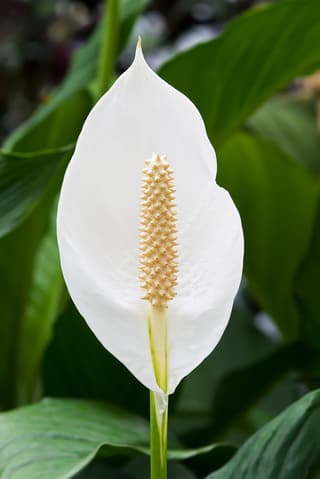
| Peace Lily | Easy | Low light | 4d | ⚠️ |
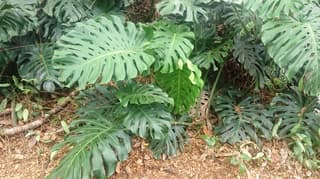
| Swiss Cheese Plant | Easy | Partial shade | 10d | ⚠️ |
| Golden Pothos | Easy | Low light | 8d | ⚠️ |
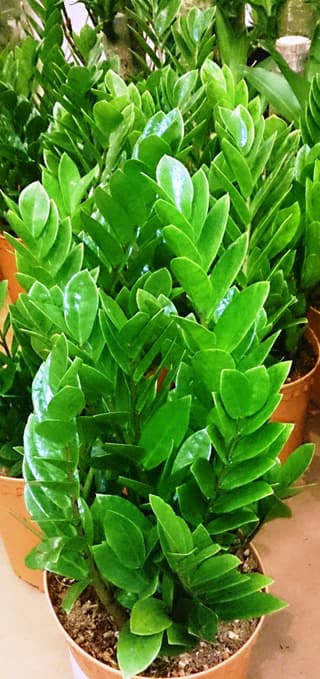
| ZZ Plant | Easy | Low light | 18d | ⚠️ |