Asteraceae
Treasure Flower (Gazania rigens): Care, Growing Tips & More
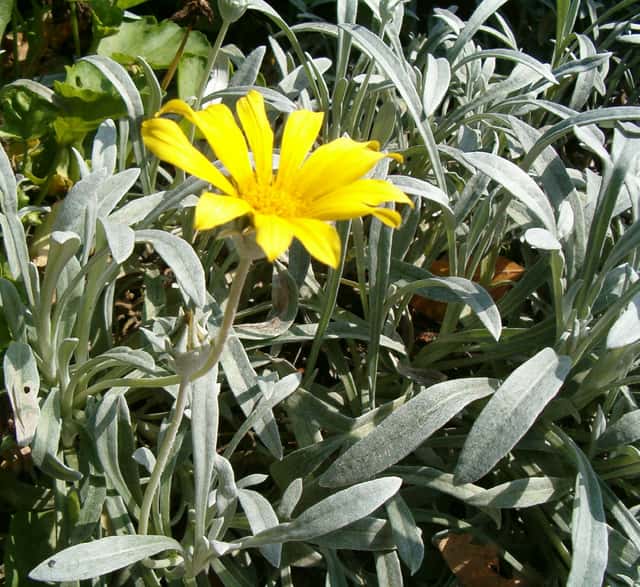
Gazania rigens
Treasure Flower is an easy-care, sun-loving plant. Water every 7-14 days, allowing soil to dry between waterings. It is extremely drought-tolerant and thrives in full sun. Minimal fertilization is needed. Deadhead spent blooms to encourage continuous flowering.
Every 10 days
Direct sun
5° - 35°C
30% - 60%
Categories
What is Treasure Flower?
Treasure Flower (Gazania rigens) is a easy-care plant from the Asteraceae family. Gazania rigens, commonly known as Treasure Flower, is a vibrant daisy-like flowering plant native to South Africa. It produces stunning blooms in shades of yellow, orange, red, pink, and white, often with bold contrasting centers. A cheerful, drought-tolerant annual or short-lived perennial, it thri...
Treasure Flower grows up to 30cm, with spread of 25cm, watering every 10 days, 5°C – 35°C, 30–60% humidity. It is not suitable for indoor environments and safe for pets.
Unlike many tropical plants, Treasure Flower tolerates watering mistakes. Best for beginners. Unlike many popular species, Treasure Flower is safe to keep around pets.
How to Care for Treasure Flower?
TLDR: Treasure Flower needs Direct sun, watering every 10 days, and temperatures between 5-35°C with 30-60% humidity.
How Often Should You Water Treasure Flower?
Water deeply every 7-14 days, allowing the soil to dry out completely between waterings. Gazania is very drought-tolerant — overwatering is the primary cause of root rot and fungal disease.
How Much Light Does Treasure Flower Need?
Gazania rigens requires full sun — at least 6-8 hours of direct sunlight daily. Blooms close on cloudy days and at night, opening only in bright sunlight. Insufficient sun reduces flowering significantly.
What Is the Best Soil for Treasure Flower?
Plant in well-draining sandy or loamy soil. Gazania tolerates poor and rocky soils. Avoid heavy clay or waterlogged conditions. A slightly acidic to neutral pH (5.5-7.5) is ideal.
What Pot Should You Use for Treasure Flower?
Terracotta pots or shallow containers with drainage holes are ideal. Their porous nature helps prevent overwatering. Window boxes and hanging baskets also work well.
Care Schedule
Fertilize
Every 60 days
Repot
Every 730 days
What Is Treasure Flower and Where Does It Come From?
Gazania rigens, commonly known as Treasure Flower, is a vibrant daisy-like flowering plant native to South Africa. It produces stunning blooms in shades of yellow, orange, red, pink, and white, often with bold contrasting centers. A cheerful, drought-tolerant annual or short-lived perennial, it thrives in full sun and well-draining sandy soils.
How to Propagate Treasure Flower?
Seed sowing
Seeds germinate best with warmth and light. Do not cover deeply — press gently onto soil surface.
- 1 Sow seeds indoors 6-8 weeks before the last frost
- 2 Press seeds lightly into moist, well-draining seed mix
- 3 Keep in a warm, sunny location at 18-24°C
- 4 Transplant seedlings outdoors after all frost risk has passed
Materials needed:
Stem cutting
Take cuttings from non-flowering shoots for best results. Overwinter cuttings indoors in cold climates.
- 1 Take 5-8 cm stem cuttings from healthy shoots in late fall
- 2 Remove lower leaves and dip cut end in rooting hormone
- 3 Insert in sandy, moist rooting mix
- 4 Keep in a bright, warm location and maintain moisture
Materials needed:
How Big Does Treasure Flower Grow?
TLDR: Treasure Flower can reach up to 30cm tall with Medium growth rate.
Max height
30cm
Spread
25cm
Growth rate
Medium
Foliage
Evergreen
Plant Uses
Ornamental
Great for decoration
Ground Cover
Soil coverage
Is your plant showing symptoms?
Click on the symptom to discover possible causes:
What Diseases Commonly Affect Treasure Flower?
TLDR: Treasure Flower is susceptible to 10 known diseases. Monitor regularly for early detection.
Powdery Mildew
Powdery mildew is a common fungal disease caused by various fungi species including Erysiphe, Podosphaera, Oïdium, and Leveillula. It affects over 10,000 plant species worldwide. The disease thrives in warm, dry climates with high humidity and appears as a distinctive white powdery coating on plant surfaces.
Root Rot
Root rot is a serious fungal disease that affects the root system of plants, causing them to decay and die. It is primarily caused by overwatering, poor drainage, or soil-borne fungi such as Pythium, Phytophthora, Rhizoctonia, and Fusarium. The disease thrives in waterlogged conditions where roots are deprived of oxygen, making them susceptible to fungal infection.
Phytophthora Root Rot
Disease caused by fungus-like organisms (oomycetes) that live in soil and can survive for years. It affects roots, stem, and crown of plants, being especially severe in waterlogged or poorly drained soils. It is the second most common cause of root rot in trees and shrubs.
Leaf Spot
Leaf spot is a common fungal disease caused by various pathogens including Alternaria, Ascochyta, Colletotrichum, Septoria, and Venturia. It primarily affects leaves, causing discolored spots that can lead to premature leaf drop if left untreated.
Meaning & Symbolism
The Treasure Flower symbolizes wealth, radiance, and the warmth of the South African sun. Its vibrant blooms are associated with cheerfulness and abundance.
Fun Facts
Gazania blooms close at night and on cloudy days, opening only in full sunlight — a behavior called nyctinasty.
Native to South Africa, Gazania rigens has naturalized in parts of Australia where it is considered invasive in coastal areas.
The name Gazania honors Theodorus of Gaza, a 15th-century Greek scholar who translated botanical works into Latin.
Treasure Flower is highly salt-tolerant, making it an excellent choice for coastal gardens.
Frequently asked questions
How often should I water Gazania rigens?
Does Treasure Flower need full sun?
Is Gazania rigens toxic to pets?
How do I prevent root rot in Gazania?
Can Gazania rigens be grown in containers?
Compare with similar plants
| Attribute | Difficulty | Light | Watering | Pet Safe |
|---|---|---|---|---|
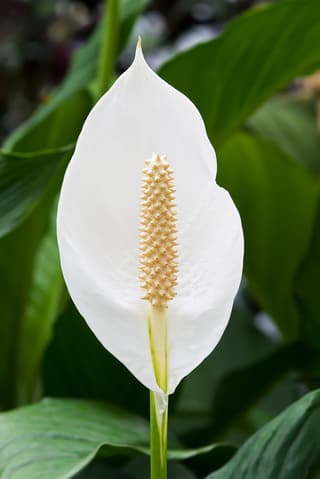
| Peace Lily | Easy | Low light | 4d | ⚠️ |
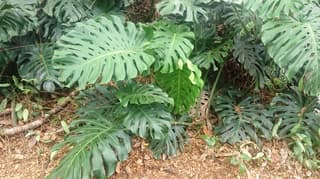
| Swiss Cheese Plant | Easy | Partial shade | 10d | ⚠️ |
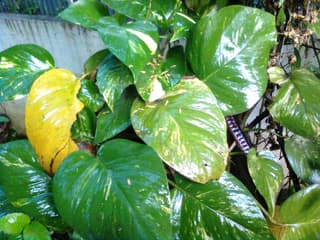
| Golden Pothos | Easy | Low light | 8d | ⚠️ |
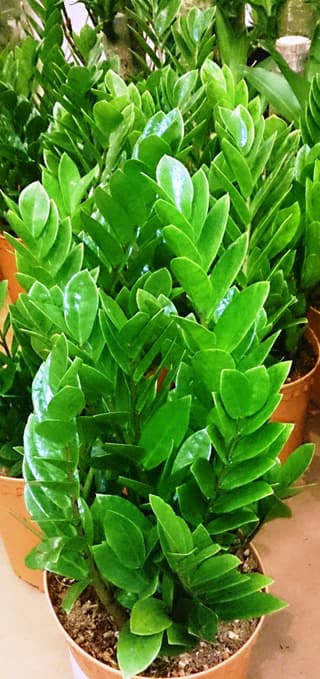
| ZZ Plant | Easy | Low light | 18d | ⚠️ |