Iridaceae
Blackberry Lily: How to Grow Belamcanda chinensis
Belamcanda chinensis
An easy-to-grow plant ideal for sunny, well-drained garden beds. Once established, it tolerates moderate drought. Water every 7 days during the growing season, reduce in autumn and winter. Fertilize monthly in spring and summer. No misting required.
Every 7 days
Bright indirect
-15° - 35°C
40% - 70%
Categories
What is Blackberry Lily?
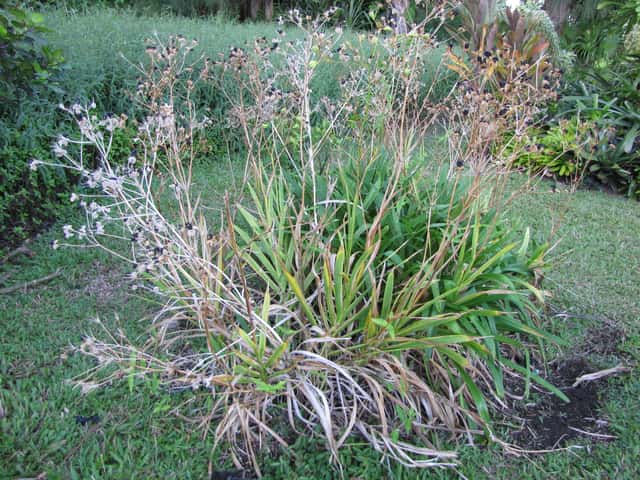
Blackberry Lily (Belamcanda chinensis) is a easy-care plant from the Iridaceae family. Blackberry Lily (Belamcanda chinensis) is a rhizomatous perennial native to temperate Asia, including China, Japan, and Korea. It produces striking orange, red-spotted flowers that resemble leopard rosettes, followed by seed capsules that split open to reveal shiny black seeds resembling blackberrie...
Blackberry Lily grows up to 1.0m, with spread of 30cm, watering every 7 days, -15°C – 35°C, 40–70% humidity. It is not suitable for indoor environments and not safe for pets.
Unlike many tropical plants, Blackberry Lily tolerates watering mistakes. Best for beginners. Without precautions, ingestion can cause irritation in pets. Keep out of reach of cats and dogs.
How to Care for Blackberry Lily?
TLDR: Blackberry Lily needs Bright indirect, watering every 7 days, and temperatures between -15-35°C with 40-70% humidity.
How Often Should You Water Blackberry Lily?
Water every 7 days during active growth, keeping soil lightly moist but never waterlogged. Once established, the plant tolerates moderate drought. Avoid wetting the foliage to prevent fungal diseases.
How Much Light Does Blackberry Lily Need?
Prefers full sun to light partial shade, with a minimum of 6 hours of direct sunlight daily. In hotter climates, afternoon partial shade protects leaves from scorching.
What Is the Best Soil for Blackberry Lily?
Use well-draining, light sandy or loamy soil with slightly acidic to neutral pH (5.0–7.0). Avoid heavy, waterlogged soils that can cause crown rot.
What Pot Should You Use for Blackberry Lily?
Ceramic or terracotta pot with ample drainage holes; in gardens, raised sunny beds work best.
Care Schedule
Fertilize
Every 30 days
Repot
Every 730 days
What Is Blackberry Lily and Where Does It Come From?
Blackberry Lily (Belamcanda chinensis) is a rhizomatous perennial native to temperate Asia, including China, Japan, and Korea. It produces striking orange, red-spotted flowers that resemble leopard rosettes, followed by seed capsules that split open to reveal shiny black seeds resembling blackberries — giving the plant its distinctive common name. Belonging to the Iridaceae family, it has been used in traditional Chinese medicine for over 2,000 years.
How to Propagate Blackberry Lily?
Rhizome Division
Use sterilized tools to prevent disease transmission. Divide every 2-3 years to rejuvenate established clumps.
- 1 Lift the plant from the ground in spring
- 2 Divide the rhizome with a clean, sharp knife ensuring each section has roots and foliage
- 3 Replant divisions in well-draining soil with the rhizome just below the surface
- 4 Water well after planting and keep soil moist for the first few weeks
Materials needed:
Seed Sowing
Cold stratification significantly improves germination rates. Harvest the shiny black seeds from mature capsules in autumn.
- 1 Cold-stratify seeds in the refrigerator for 7 days before sowing
- 2 Sow in moist, well-draining medium, covering lightly with soil
- 3 Keep in a bright location at 18-24°C
- 4 Transplant seedlings when they reach 10 cm in height
Materials needed:
How Big Does Blackberry Lily Grow?
TLDR: Blackberry Lily can reach up to 1.0m tall with Fast growth rate.
Max height
1.0m
Spread
30cm
Growth rate
Fast
Foliage
Deciduous
Warning: Toxic Plant
This plant can be toxic if ingested. Keep out of reach of:
Plant Uses
Ornamental
Great for decoration
Medicinal
Medicinal properties
Medicinal Uses
- Root used in traditional Chinese medicine (She Gan) for treating throat inflammation, pharyngitis, cough, and respiratory issues
- Documented anti-inflammatory and antioxidant properties
Is your plant showing symptoms?
Click on the symptom to discover possible causes:
What Diseases Commonly Affect Blackberry Lily?
TLDR: Blackberry Lily is susceptible to 8 known diseases. Monitor regularly for early detection.
Crown Rot
Crown rot is a serious fungal disease that attacks the crown (base) of the plant where the stem meets the soil. It is caused by various fungal pathogens including Phytophthora, Fusarium, and Rhizoctonia. The disease thrives in waterlogged conditions and can quickly spread to kill the entire plant if not addressed promptly.
Root Rot
Root rot is a serious fungal disease that affects the root system of plants, causing them to decay and die. It is primarily caused by overwatering, poor drainage, or soil-borne fungi such as Pythium, Phytophthora, Rhizoctonia, and Fusarium. The disease thrives in waterlogged conditions where roots are deprived of oxygen, making them susceptible to fungal infection.
Gray Mold (Botrytis Blight)
Gray mold, caused by the fungus Botrytis cinerea, is one of the most common fungal diseases in plants. It affects over 200 plant species, including ornamentals, vegetables, fruits, and houseplants. The disease thrives in cool, humid conditions with poor air circulation, causing grayish spots and soft rot on infected tissues.
Leaf Spot
Leaf spot is a common fungal disease caused by various pathogens including Alternaria, Ascochyta, Colletotrichum, Septoria, and Venturia. It primarily affects leaves, causing discolored spots that can lead to premature leaf drop if left untreated.
Meaning & Symbolism
In traditional Chinese medicine, Belamcanda chinensis (She Gan) symbolizes clarity and the power to dispel illness. Its spotted flowers evoke the leopard, a symbol of strength and protection in Asian cultures.
Fun Facts
Each Belamcanda chinensis flower lasts only a single day, but the plant compensates by producing dozens of blooms in succession throughout the summer.
In traditional Chinese medicine, the dried rhizome of this plant is called "She Gan" (射干) and has been used for over 2,000 years to treat throat inflammation.
The shiny black seeds that remain on the plant after flowering form clusters resembling wild blackberries, inspiring the common name "Blackberry Lily".
Although called a "lily", Belamcanda chinensis belongs to the Iridaceae family (the iris family), not the true lilies.
Frequently asked questions
How often should I water Blackberry Lily?
Is Blackberry Lily toxic to pets?
Can I grow Blackberry Lily in a pot?
When does Blackberry Lily bloom?
How do I propagate Blackberry Lily?
Compare with similar plants
| Attribute | Difficulty | Light | Watering | Pet Safe |
|---|---|---|---|---|
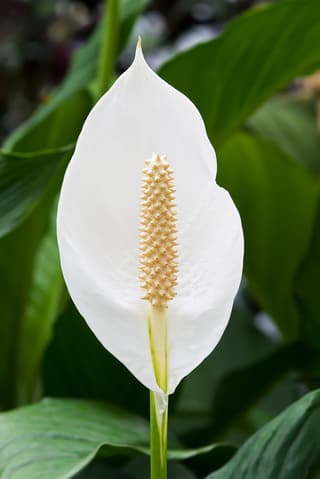
| Peace Lily | Easy | Low light | 4d | ⚠️ |
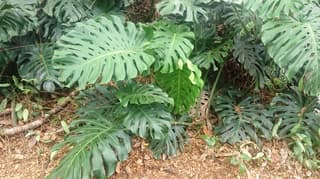
| Swiss Cheese Plant | Easy | Partial shade | 10d | ⚠️ |
| Golden Pothos | Easy | Low light | 8d | ⚠️ |
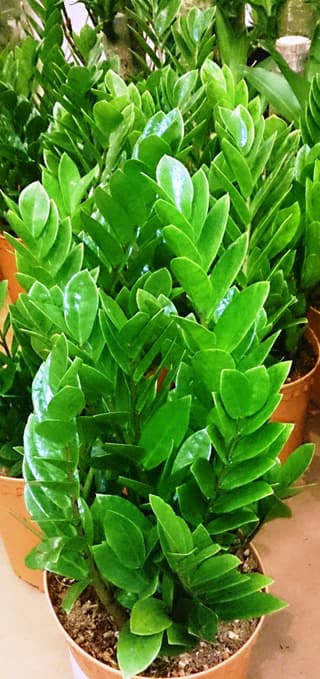
| ZZ Plant | Easy | Low light | 18d | ⚠️ |