Poaceae
Fountain Grass (Pennisetum setaceum): Complete Care Guide
Pennisetum setaceum
Plant in full sun. Water moderately, allowing the soil to dry between waterings. Tolerates poor, dry soils but performs best in well-drained ground. Fertilize twice a year in spring and summer. Annual pruning rejuvenates the plant.
Every 10 days
Direct sun
5° - 38°C
30% - 70%
Categories
What is Fountain Grass?
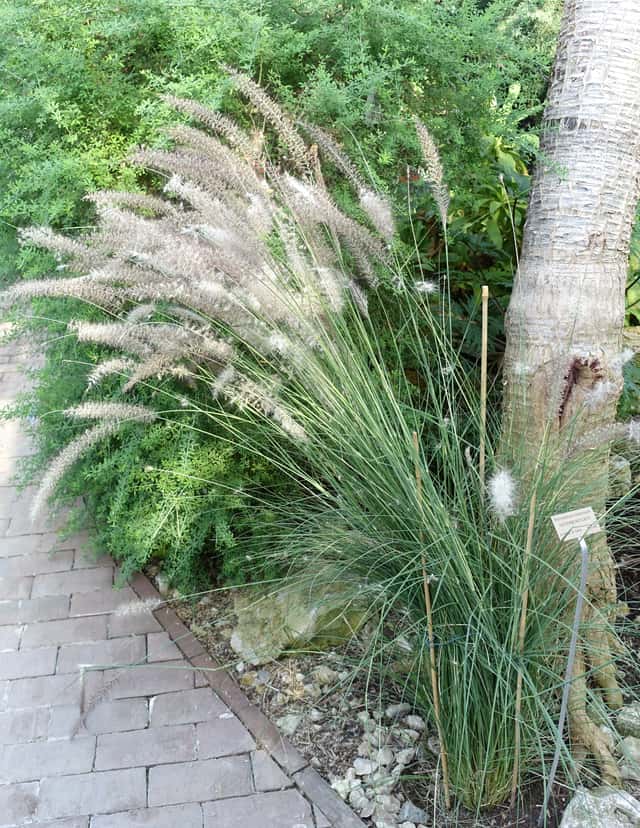
Fountain Grass (Pennisetum setaceum) is a easy-care plant from the Poaceae family. Fountain Grass (Pennisetum setaceum) is an ornamental grass native to East Africa and the Middle East. Known for its arching foliage and feathery plumes in shades of pink to purple, it brings elegant movement and texture to gardens and landscapes. Highly drought-tolerant and low-maintenance, it thri...
Fountain Grass grows up to 1.5m, with spread of 120cm, watering every 10 days, 5°C – 38°C, 30–70% humidity. It is not suitable for indoor environments and safe for pets.
Unlike many tropical plants, Fountain Grass tolerates watering mistakes. Best for beginners. Unlike many popular species, Fountain Grass is safe to keep around pets.
How to Care for Fountain Grass?
TLDR: Fountain Grass needs Direct sun, watering every 10 days, and temperatures between 5-38°C with 30-70% humidity.
How Often Should You Water Fountain Grass?
Water approximately every 10 days, letting the top 5 cm of soil dry out between sessions. Once established, it is highly drought-tolerant — avoid overwatering to prevent root rot.
How Much Light Does Fountain Grass Need?
Requires full sun for at least 6 to 8 hours daily for best growth and flowering. In partial shade, growth becomes less vigorous and plumes are smaller.
What Is the Best Soil for Fountain Grass?
Prefers well-drained soils of average to low fertility. Tolerates sandy, loamy, and poor soils. Ideal pH ranges from 5.5 to 7.5. Avoid waterlogged conditions.
What Pot Should You Use for Fountain Grass?
Terracotta or stone pots for outdoor gardens; in containers, choose wide pots with good drainage holes.
Care Schedule
Fertilize
Every 60 days
What Is Fountain Grass and Where Does It Come From?
Fountain Grass (Pennisetum setaceum) is an ornamental grass native to East Africa and the Middle East. Known for its arching foliage and feathery plumes in shades of pink to purple, it brings elegant movement and texture to gardens and landscapes. Highly drought-tolerant and low-maintenance, it thrives in hot, sunny conditions with minimal care.
How to Propagate Fountain Grass?
Clump Division
Divide in spring for best results. Use a sharp spade or shovel to cut through the root mass.
- 1 Divide the clump into sections each containing roots and shoots
- 2 Replant each division in prepared, well-drained soil
- 3 Water well after planting and keep slightly moist until established
Materials needed:
Seed Sowing
Sterile cultivars do not produce viable seeds — in this case, prefer clump division.
- 1 Sow seeds shallowly on moist growing medium
- 2 Keep in a warm, bright location
- 3 Transplant seedlings when they reach 10 cm in height
Materials needed:
How Big Does Fountain Grass Grow?
TLDR: Fountain Grass can reach up to 1.5m tall with Fast growth rate.
Max height
1.5m
Spread
1.2m
Growth rate
Fast
Foliage
Evergreen
Plant Uses
Ornamental
Great for decoration
Ground Cover
Soil coverage
Is your plant showing symptoms?
Click on the symptom to discover possible causes:
What Diseases Commonly Affect Fountain Grass?
TLDR: Fountain Grass is susceptible to 5 known diseases. Monitor regularly for early detection.
Rust
Rust is a common fungal disease caused by fungi in the order Pucciniales that affects a wide variety of plants. The disease gets its name from the characteristic orange, yellow, or reddish-brown pustules that appear on leaves, resembling metal rust. This obligate fungal parasite requires living plants to survive and can cause significant economic losses in agricultural crops.
Leaf Spot
Leaf spot is a common fungal disease caused by various pathogens including Alternaria, Ascochyta, Colletotrichum, Septoria, and Venturia. It primarily affects leaves, causing discolored spots that can lead to premature leaf drop if left untreated.
Aphids
Aphids are small, soft-bodied, pear-shaped insects (1/16 to 1/8 inch long) that feed by sucking nutrient-rich sap from plants. They reproduce rapidly and can quickly weaken plants, causing distorted growth and transmitting plant viruses. Aphids come in various colors including green, black, red, yellow, brown, and gray. They secrete honeydew, a sticky substance that attracts ants and encourages sooty mold growth.
Spider Mites
Spider mites are tiny arachnids (less than 1/20 inch long) related to spiders and ticks that feed on plant sap. They thrive in hot, dry conditions and can cause significant damage to ornamental and vegetable plants. During severe infestations, crop losses can reach 14% or higher as these pests disrupt vital plant processes including photosynthesis, carbon dioxide absorption, and transpiration.
Meaning & Symbolism
Symbol of resilience and natural beauty, fountain grass represents graceful movement and adaptability to challenging conditions.
Fun Facts
Can grow up to 1.5 m tall with ornamental plumes reaching up to 37 cm in length.
Native to East Africa and the Middle East, it is now cultivated in gardens worldwide.
In warm climates, it blooms continuously from summer to fall, providing long-lasting color.
It is listed as an invasive species in several regions worldwide due to its high seed-dispersal capacity.
Frequently asked questions
How often should I water Fountain Grass?
Does Fountain Grass need full sun?
Is Fountain Grass invasive?
When and how should I prune Fountain Grass?
Is Fountain Grass toxic to pets?
Compare with similar plants
| Attribute | Difficulty | Light | Watering | Pet Safe |
|---|---|---|---|---|
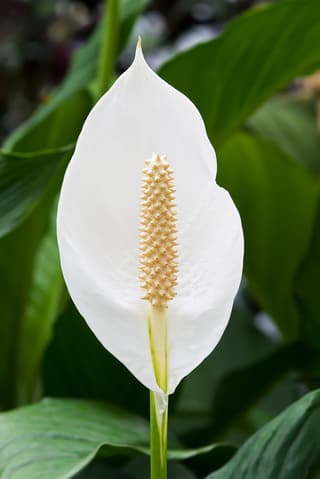
| Peace Lily | Easy | Low light | 4d | ⚠️ |
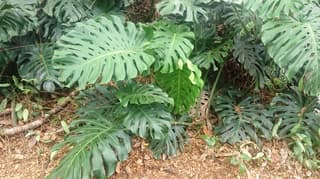
| Swiss Cheese Plant | Easy | Partial shade | 10d | ⚠️ |
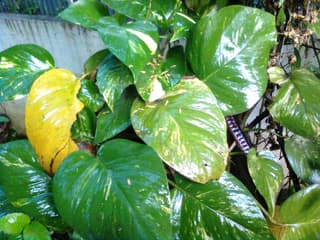
| Golden Pothos | Easy | Low light | 8d | ⚠️ |
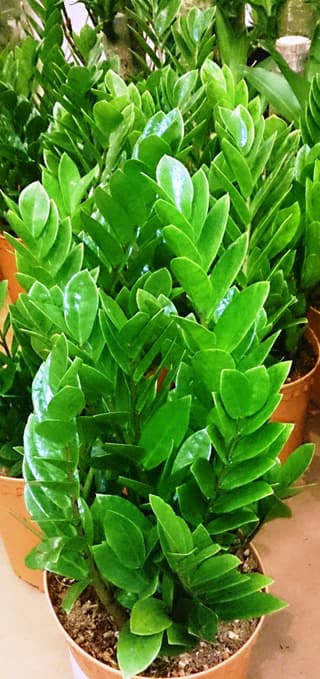
| ZZ Plant | Easy | Low light | 18d | ⚠️ |