Oleaceae
Ash Tree (Fraxinus): Full Care Guide
Fraxinus
Plant in full sun. Water every 10 days allowing slight soil drying between sessions. Fertilize once yearly in spring. Prune annually to remove dead wood. Highly cold-hardy, suitable for USDA zones 3–9 depending on species.
Every 10 days
Bright indirect
-40° - 38°C
40% - 70%
Categories
What is Ash (genus)?
Ash (genus) (Fraxinus) is a easy-care plant from the Oleaceae family. Fraxinus is a genus of flowering plants in the olive family Oleaceae. It contains 45–65 species of usually medium to large trees, mostly deciduous, though a few subtropical species are evergreen. Common species include European ash (F. excelsior), white ash (F. americana), and green ash (F. pennsylv...
Ash (genus) grows up to 25.0m, spread of 1500cm, watering every 10 days, -40°C – 38°C, 40–70% humidity. It is not suitable for indoor environments and safe for pets.
Unlike many tropical plants, Ash (genus) tolerates watering mistakes. Best for beginners. Unlike many popular species, Ash (genus) is safe to keep around pets.
How to Care for Ash (genus)?
TLDR: Ash (genus) needs Bright indirect, watering every 10 days, and temperatures between -40-38°C with 40-70% humidity.
How Often Should You Water Ash (genus)?
Water every 10 days. Young trees need consistent moisture until established. Mature ash trees are moderately drought-tolerant but perform best with regular watering. Avoid waterlogged conditions.
How Much Light Does Ash (genus) Need?
Full sun to partial sun is ideal — at least 6 hours of direct sunlight daily. Ash trees can tolerate partial shade but may develop a less dense canopy.
What Is the Best Soil for Ash (genus)?
Prefers deep, moist, loamy or clay soils with good drainage. Tolerates a wide pH range (6.0–8.0) including slightly alkaline soils. Adapts to compacted urban soils better than most large trees.
What Pot Should You Use for Ash (genus)?
Not applicable — open ground, parkland, or large garden bed
Care Schedule
Fertilize
Every 365 days
What Is Ash (genus) and Where Does It Come From?
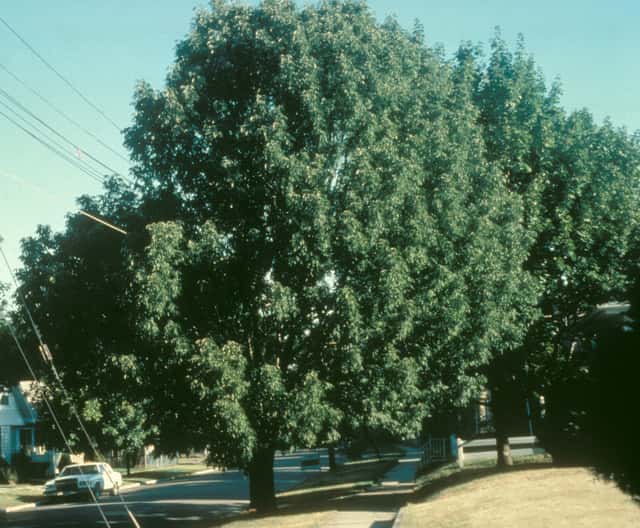
Fraxinus is a genus of flowering plants in the olive family Oleaceae. It contains 45–65 species of usually medium to large trees, mostly deciduous, though a few subtropical species are evergreen. Common species include European ash (F. excelsior), white ash (F. americana), and green ash (F. pennsylvanica). Ash trees are important landscape trees valued for their large canopy, autumn color, and timber.
How to Propagate Ash (genus)?
Seed propagation
Cold stratification is essential for good germination rates. Use fresh seeds from the current season for best results.
- 1 Collect ripe samaras in autumn
- 2 Cold stratify seeds for 60-90 days to break dormancy
- 3 Sow in moist, well-draining medium
- 4 Keep cool until spring germination
Materials needed:
How Big Does Ash (genus) Grow?
TLDR: Ash (genus) can reach up to 25.0m tall with Medium growth rate.
Max height
25.0m
Spread
15.0m
Growth rate
Medium
Foliage
Deciduous
Plant Uses
Ornamental
Great for decoration
Is your plant showing symptoms?
Click on the symptom to discover possible causes:
What Diseases Commonly Affect Ash (genus)?
TLDR: Ash (genus) is susceptible to 8 known diseases. Monitor regularly for early detection.
Anthracnose
Anthracnose is a fungal disease caused by fungi in the genus Colletotrichum that affects many plants, including vegetables, fruits, and trees. The disease thrives in cool, wet conditions, causing dark, sunken lesions on leaves, stems, flowers, and fruits.
Leaf Spot
Leaf spot is a common fungal disease caused by various pathogens including Alternaria, Ascochyta, Colletotrichum, Septoria, and Venturia. It primarily affects leaves, causing discolored spots that can lead to premature leaf drop if left untreated.
Canker
Canker is a disease caused by various fungi and bacteria that create necrotic, sunken areas on bark of branches, stems, and trunks. Pathogens enter through wounds and natural openings, especially when plants are stressed. Canker can gradually weaken or kill branches by disrupting water and nutrient flow.
Rust
Rust is a common fungal disease caused by fungi in the order Pucciniales that affects a wide variety of plants. The disease gets its name from the characteristic orange, yellow, or reddish-brown pustules that appear on leaves, resembling metal rust. This obligate fungal parasite requires living plants to survive and can cause significant economic losses in agricultural crops.
Meaning & Symbolism
In Norse mythology, the world tree Yggdrasil is an ash, symbolizing strength, endurance, and the connection between worlds. Ash wood has long been prized for tool handles and sports equipment.
Fun Facts
The Norse world tree Yggdrasil, which connects all realms of existence, is described as a mighty ash tree
Ash wood is one of the toughest hardwoods and is used to make baseball bats, tool handles, and oars
Ash samaras (winged seeds) spin like helicopter blades as they fall to disperse on the wind
European ash (F. excelsior) can live for over 200 years
Frequently asked questions
How often should I water an ash tree?
Are ash trees toxic to pets or humans?
Do ash trees lose their leaves in winter?
What is the biggest threat to ash trees?
How fast do ash trees grow?
Compare with similar plants
| Attribute | Difficulty | Light | Watering | Pet Safe |
|---|---|---|---|---|
| Field Maple | Easy | Bright indirect | 14d | ✓ |
| Silver Birch | Easy | Direct sun | 14d | ✓ |
| Cushion Bush | Easy | Direct sun | 14d | ✓ |
| Peruvian peppertree | Easy | Direct sun | 14d | ⚠️ |





