Iridaceae
Iris japonica - Fringed Iris Complete Care Guide
Iris japonica
Fringed Iris is an easy-care plant that thrives in partial shade with moist, well-draining soil. Water every 7 days during the growing season, reduce in winter. Fertilize monthly during spring and summer. Divide clumps every 3-4 years to maintain vigor.
Every 7 days
Partial shade
-5° - 30°C
50% - 80%
Categories
What is Fringed Iris?
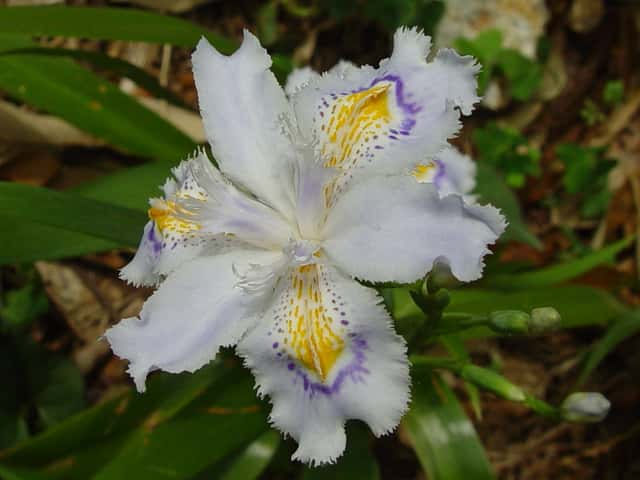
Fringed Iris (Iris japonica) is a easy-care plant from the Iridaceae family. Iris japonica, commonly known as the Fringed Iris or Butterfly Flower, is an elegant evergreen iris native to China and Japan. It features delicate fringed petals in pale blue, lavender, or white with distinctive orange or yellow crests, blooming in spring. The plant spreads through creeping rhizome...
Fringed Iris grows up to 80cm, with spread of 60cm, watering every 7 days, -5°C – 30°C, 50–80% humidity. It is not suitable for indoor environments and not safe for pets.
Unlike many tropical plants, Fringed Iris tolerates watering mistakes. Best for beginners. Without precautions, ingestion can cause irritation in pets. Keep out of reach of cats and dogs.
How to Care for Fringed Iris?
TLDR: Fringed Iris needs Partial shade, watering every 7 days, and temperatures between -5-30°C with 50-80% humidity.
How Often Should You Water Fringed Iris?
Water regularly every 7 days during the growing season (spring and summer). Avoid waterlogging, especially in winter, as wet roots can lead to rot. Plants near water features naturally need less supplemental watering.
How Much Light Does Fringed Iris Need?
Fringed Iris prefers partial shade to dappled sunlight, receiving 4-6 hours of indirect light daily. It tolerates full shade but may produce fewer blooms. Avoid harsh afternoon sun, which can scorch the glossy leaves.
What Is the Best Soil for Fringed Iris?
Plant in well-draining, slightly acidic to neutral soil (pH 6.0-7.5). A loamy or humus-rich mix works best. Avoid clay-heavy soils that retain moisture. Amend with compost to improve drainage and fertility.
What Pot Should You Use for Fringed Iris?
Terracotta or ceramic pot with drainage holes; shallow, wide containers suit the spreading rhizomes. Unglazed terracotta helps prevent overwatering.
Care Schedule
Fertilize
Every 30 days
Misting
Every 7 days
Repot
Every 730 days
What Is Fringed Iris and Where Does It Come From?
Iris japonica, commonly known as the Fringed Iris or Butterfly Flower, is an elegant evergreen iris native to China and Japan. It features delicate fringed petals in pale blue, lavender, or white with distinctive orange or yellow crests, blooming in spring. The plant spreads through creeping rhizomes and makes an excellent ground cover in shaded garden areas.
How to Propagate Fringed Iris?
Rhizome Division
Divide every 3-4 years to prevent overcrowding and maintain healthy flowering. Use clean, sharp tools to avoid disease transmission.
- 1 After flowering in July-August, dig up the clump carefully
- 2 Separate the rhizomes by hand or with a clean knife, keeping 2-3 leaves per section
- 3 Replant divisions 30-45 cm apart in prepared soil
- 4 Water well after replanting and keep moist until established
Materials needed:
How Big Does Fringed Iris Grow?
TLDR: Fringed Iris can reach up to 80cm tall with Medium growth rate.
Max height
80cm
Spread
60cm
Growth rate
Medium
Foliage
Evergreen
Warning: Toxic Plant
This plant can be toxic if ingested. Keep out of reach of:
Plant Uses
Ornamental
Great for decoration
Medicinal
Medicinal properties
Ground Cover
Soil coverage
Medicinal Uses
- Rhizome used in traditional Chinese medicine for treating injuries, bronchitis, and rheumatism
Is your plant showing symptoms?
Click on the symptom to discover possible causes:
What Diseases Commonly Affect Fringed Iris?
TLDR: Fringed Iris is susceptible to 6 known diseases. Monitor regularly for early detection.
Thrips
Thrips are tiny cigar-shaped insects (1/25-inch long) that damage plants by sucking plant juices and scraping at fruits, flowers, and leaves. With over 6,000 species and rapid reproduction (lifecycle as short as 14 days), they can quickly infest plants and transmit viruses like tomato spotted wilt virus.
Slugs and Snails
Slugs and snails are mollusks that feed on plant tissue, causing irregular holes in leaves and damage to young seedlings. They are most active at night and in moist conditions, leaving characteristic silvery slime trails. These pests can quickly devastate gardens, especially during wet seasons.
Leaf Spot
Leaf spot is a common fungal disease caused by various pathogens including Alternaria, Ascochyta, Colletotrichum, Septoria, and Venturia. It primarily affects leaves, causing discolored spots that can lead to premature leaf drop if left untreated.
Rust
Rust is a common fungal disease caused by fungi in the order Pucciniales that affects a wide variety of plants. The disease gets its name from the characteristic orange, yellow, or reddish-brown pustules that appear on leaves, resembling metal rust. This obligate fungal parasite requires living plants to survive and can cause significant economic losses in agricultural crops.
Meaning & Symbolism
In Japanese tradition, the Shaga (Fringed Iris) symbolizes elegance and spring renewal. In China, it represents healing and good fortune, long used in herbal medicine.
Fun Facts
In Japan, the triploid Shaga iris produces no seeds — all new populations arise from human planting or accidental spread.
The fringed petals have a delicate fringe along their edges, giving the flower an almost lacy appearance that inspired its common name.
Iris japonica has been used in traditional Chinese medicine for centuries to treat bronchitis, rheumatism, and injuries.
Each Fringed Iris flower lasts only one day, but the plant produces dozens of successive blooms throughout spring.
Frequently asked questions
How often should I water Fringed Iris?
Is Iris japonica toxic to pets?
When does Fringed Iris bloom?
How do I propagate Iris japonica?
Can Fringed Iris grow indoors?
Compare with similar plants
| Attribute | Difficulty | Light | Watering | Pet Safe |
|---|---|---|---|---|
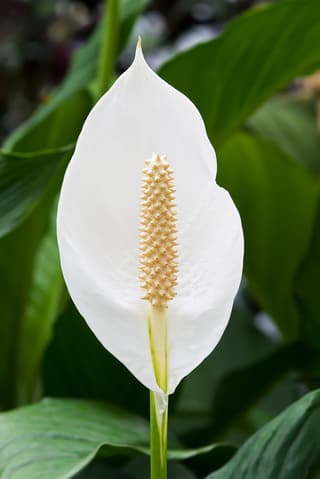
| Peace Lily | Easy | Low light | 4d | ⚠️ |
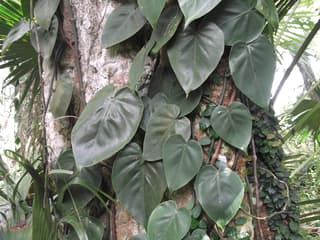
| Swiss Cheese Plant | Easy | Partial shade | 10d | ⚠️ |
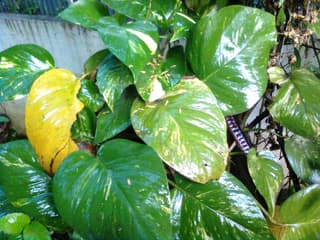
| Golden Pothos | Easy | Low light | 8d | ⚠️ |
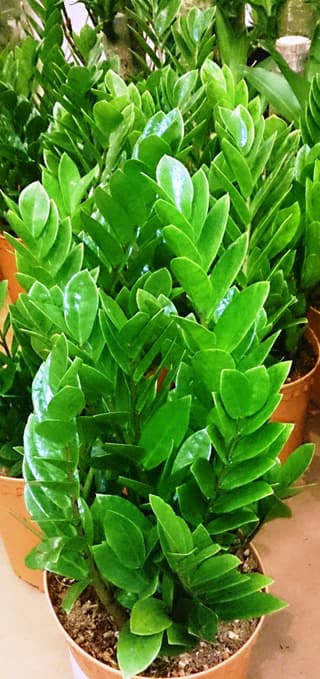
| ZZ Plant | Easy | Low light | 18d | ⚠️ |