Myrtaceae
Guabiroba: The Fruiting Shrub of the Brazilian Cerrado
Campomanesia pubescens
A tough Cerrado native, guabiroba thrives in full sun and well-draining soil. Once established, it is highly drought-tolerant and requires watering only during extended dry periods. Apply light fertilizer every 2 months during the growing season and prune annually to maintain shape.
Every 7 days
Direct sun
5° - 35°C
40% - 70%
Categories
What is Guabiroba?
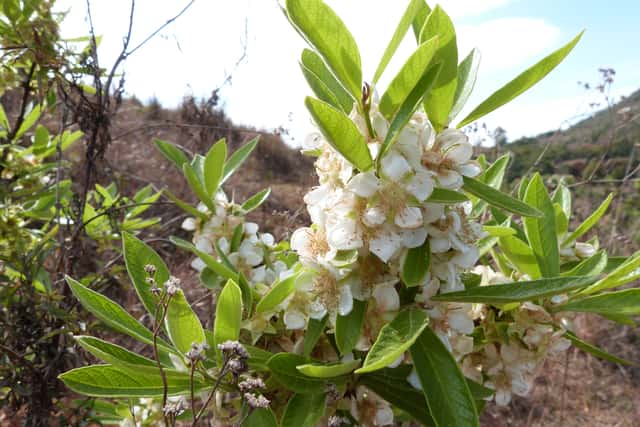
Guabiroba (Campomanesia pubescens) is a easy-care plant from the Myrtaceae family. Guabiroba (Campomanesia pubescens) is a native shrub of the Brazilian Cerrado savanna, belonging to the Myrtaceae family. It features twisted branches, simple leathery leaves, and fragrant white flowers that bloom in spring. Its small yellow fruits, resembling miniature guavas, are treasured by loca...
Guabiroba grows up to 2.0m, with spread of 150cm, watering every 7 days, 5°C – 35°C, 40–70% humidity. It is not suitable for indoor environments and safe for pets.
Unlike many tropical plants, Guabiroba tolerates watering mistakes. Best for beginners. Unlike many popular species, Guabiroba is safe to keep around pets.
How to Care for Guabiroba?
TLDR: Guabiroba needs Direct sun, watering every 7 days, and temperatures between 5-35°C with 40-70% humidity.
How Often Should You Water Guabiroba?
Water every 7 days during the first 2 years. Once established, guabiroba tolerates long dry spells and needs irrigation only during severe drought. Avoid waterlogged soil, which causes root rot.
How Much Light Does Guabiroba Need?
Guabiroba needs full sun — at least 6 hours of direct sunlight per day. In partial shade, growth slows and flowering and fruiting are significantly reduced.
What Is the Best Soil for Guabiroba?
Prefers well-draining, slightly acidic soil (pH 5.5–6.5) enriched with organic matter. Amend with compost or aged manure before planting. Avoid heavy clay soils that retain excess moisture.
What Pot Should You Use for Guabiroba?
Terracotta or ceramic pot with drainage holes for container growing; direct in-ground planting is ideal for full development.
Care Schedule
Fertilize
Every 60 days
Repot
Every 730 days
What Is Guabiroba and Where Does It Come From?
Guabiroba (Campomanesia pubescens) is a native shrub of the Brazilian Cerrado savanna, belonging to the Myrtaceae family. It features twisted branches, simple leathery leaves, and fragrant white flowers that bloom in spring. Its small yellow fruits, resembling miniature guavas, are treasured by local wildlife and harvested for fresh eating and artisanal preparations.
How to Propagate Guabiroba?
Seed Propagation
Use fresh seeds immediately after extraction — they lose viability rapidly when dried. Do not allow seeds to desiccate before sowing.
- 1 Extract seeds from ripe fruits and wash to remove pulp
- 2 Sow immediately as seeds are recalcitrant and lose viability quickly
- 3 Use moist substrate of coarse sand and garden soil (1:1)
- 4 Keep in a shaded, moist location until germination
- 5 Transplant to final location when seedlings reach 20-30 cm
Materials needed:
How Big Does Guabiroba Grow?
TLDR: Guabiroba can reach up to 2.0m tall with Slow growth rate.
Max height
2.0m
Spread
1.5m
Growth rate
Slow
Foliage
Deciduous
Plant Uses
Ornamental
Great for decoration
Edible
Can be consumed
Medicinal
Medicinal properties
Medicinal Uses
- Leaf tea used traditionally for digestive and anti-inflammatory properties
- Folk medicine use for blood sugar and cholesterol control
- Essential oil extract with antimicrobial activity against oral pathogens
Culinary Uses
- Fruits eaten fresh off the plant
- Artisanal jams and preserves
- Fruit wine and liqueur
- Ice cream and smoothies
Is your plant showing symptoms?
Click on the symptom to discover possible causes:
What Diseases Commonly Affect Guabiroba?
TLDR: Guabiroba is susceptible to 5 known diseases. Monitor regularly for early detection.
Root Rot
Root rot is a serious fungal disease that affects the root system of plants, causing them to decay and die. It is primarily caused by overwatering, poor drainage, or soil-borne fungi such as Pythium, Phytophthora, Rhizoctonia, and Fusarium. The disease thrives in waterlogged conditions where roots are deprived of oxygen, making them susceptible to fungal infection.
Anthracnose
Anthracnose is a fungal disease caused by fungi in the genus Colletotrichum that affects many plants, including vegetables, fruits, and trees. The disease thrives in cool, wet conditions, causing dark, sunken lesions on leaves, stems, flowers, and fruits.
Powdery Mildew
Powdery mildew is a common fungal disease caused by various fungi species including Erysiphe, Podosphaera, Oïdium, and Leveillula. It affects over 10,000 plant species worldwide. The disease thrives in warm, dry climates with high humidity and appears as a distinctive white powdery coating on plant surfaces.
Scale Insects
Scale insects are small sap-sucking pests that appear as brown, shell-like bumps on plant stems and leaves. There are over 25 species, divided into armored (hard) and unarmored (soft) scales. They feed by piercing plant tissue and extracting sap, which weakens the plant and can lead to yellowing, stunted growth, and even death if left untreated. They also excrete honeydew, which attracts ants and promotes sooty mold growth.
Meaning & Symbolism
A symbol of the Brazilian Cerrado, guabiroba represents resilience and the richness of Brazil's native central savanna flora, connecting communities that have harvested its fruits for generations.
Fun Facts
Guabiroba fruits are vital food for birds and mammals in the Brazilian Cerrado
Its seeds are recalcitrant — they rapidly lose viability if allowed to dry out
The plant is a pioneer species used to restore degraded Cerrado areas
Its leaves contain essential oils with proven antimicrobial properties
Frequently asked questions
How often should I water guabiroba?
Can guabiroba be grown in a pot?
When does guabiroba produce fruit?
Is guabiroba toxic to pets?
How tall does guabiroba grow?
Compare with similar plants
| Attribute | Difficulty | Light | Watering | Pet Safe |
|---|---|---|---|---|
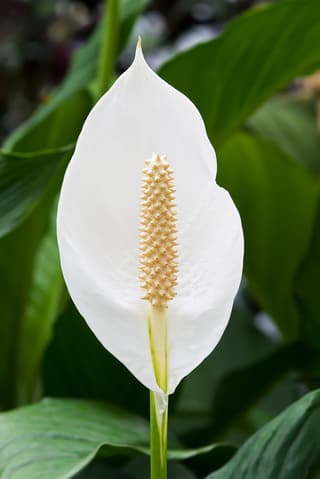
| Peace Lily | Easy | Low light | 4d | ⚠️ |
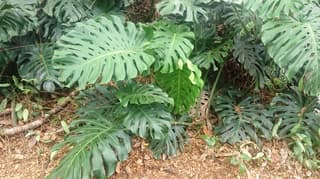
| Swiss Cheese Plant | Easy | Partial shade | 10d | ⚠️ |
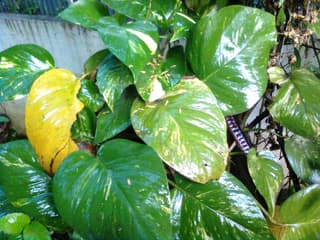
| Golden Pothos | Easy | Low light | 8d | ⚠️ |
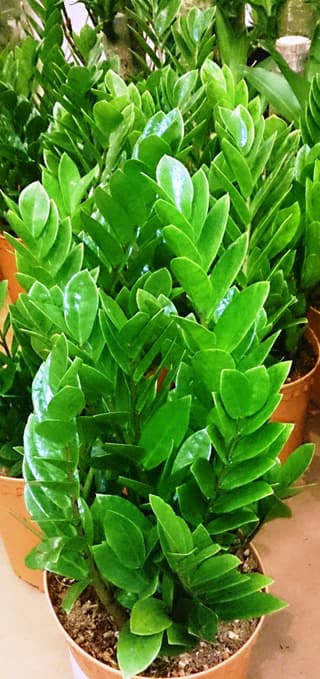
| ZZ Plant | Easy | Low light | 18d | ⚠️ |