Rubiaceae
Gardenia (Gardenia jasminoides): Complete Care Guide
Gardenia jasminoides
Gardenias are high-maintenance plants that thrive in warm, humid conditions with acidic soil (pH 5.0-6.0). They need consistent moisture without waterlogging, bright indirect light, and regular feeding with acid-forming fertilizer. Watch for yellowing leaves (chlorosis), which signals pH or iron issues.
Every 3 days
Partial shade
10° - 32°C
60% - 80%
Categories
What is Gardenia?
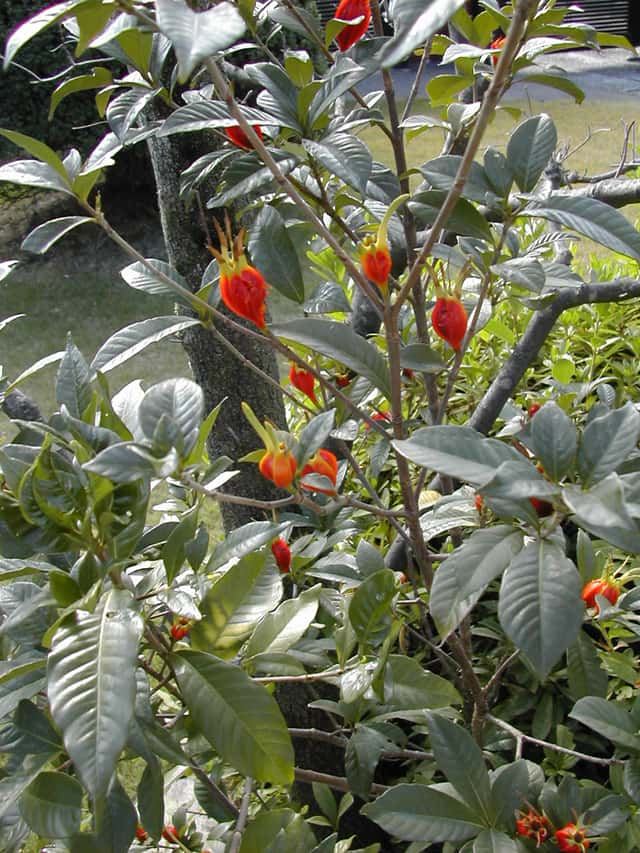
Gardenia (Gardenia jasminoides) is a hard-care plant from the Rubiaceae family. Gardenia jasminoides is a beloved evergreen shrub from the coffee family (Rubiaceae), native to southern China and Japan. Renowned for its intensely fragrant, waxy white flowers and glossy dark green foliage, it has been cultivated for centuries in Asian gardens. The double-petaled blooms appear fro...
Gardenia grows up to 2.4m, spread of 240cm, watering every 3 days, 10°C – 32°C, 60–80% humidity. It is suitable for indoor environments and not safe for pets.
Unlike easy-care plants, Gardenia demands constant attention to humidity and light. Not recommended for beginners. Without precautions, ingestion can cause irritation in pets. Keep out of reach of cats and dogs. Without adequate drainage, root rot can develop within 7 days.
How to Care for Gardenia?
TLDR: Gardenia needs Partial shade, watering every 3 days, and temperatures between 10-32°C with 60-80% humidity.
How Often Should You Water Gardenia?
Water when the top inch of soil feels dry. Keep soil consistently moist but never waterlogged. Use room-temperature rainwater or filtered water, as gardenias are sensitive to hard water. Reduce watering in winter but never let the soil dry out completely.
How Much Light Does Gardenia Need?
Provide bright indirect light or morning sun with afternoon shade. Gardenias need 4-6 hours of filtered sunlight daily. Too much direct sun scorches leaves and causes bud drop; too little light reduces blooming significantly.
What Is the Best Soil for Gardenia?
Use acidic, well-draining soil rich in organic matter. A mix of peat moss, pine bark, and perlite works well. Maintain pH between 5.0 and 6.0. Avoid planting near concrete foundations, which can raise soil pH and cause chlorosis.
What Pot Should You Use for Gardenia?
Use glazed ceramic or plastic pots to retain moisture. Ensure drainage holes are present. Terracotta dries out too quickly for gardenias. Choose a pot only slightly larger than the root ball, as gardenias prefer being slightly root-bound.
Care Schedule
Fertilize
Every 30 days
Misting
Every 3 days
Rotate
Every 14 days
Repot
Every 730 days
What Is Gardenia and Where Does It Come From?
Gardenia jasminoides is a beloved evergreen shrub from the coffee family (Rubiaceae), native to southern China and Japan. Renowned for its intensely fragrant, waxy white flowers and glossy dark green foliage, it has been cultivated for centuries in Asian gardens. The double-petaled blooms appear from late spring through summer, filling the air with one of the most iconic floral fragrances in horticulture. While demanding in its care requirements, the gardenia rewards attentive gardeners with unmatched beauty and scent.
How to Propagate Gardenia?
Stem cutting
Use semi-hardwood cuttings taken in summer for best results. Bottom heat speeds rooting.
- 1 Take a 4-5 inch cutting from a healthy stem tip in early spring
- 2 Remove lower leaves, keeping 2-3 sets at the top
- 3 Dip the cut end in rooting hormone powder
- 4 Plant in a mix of peat and perlite, keeping moist
- 5 Cover with a plastic bag to maintain humidity
- 6 Place in bright indirect light at 75°F (24°C)
Materials needed:
Air layering
Air layering works well for larger specimens and produces a bigger plant faster than cuttings.
- 1 Select a healthy branch and make a 1-inch wound by removing bark
- 2 Apply rooting hormone to the wound
- 3 Wrap with damp sphagnum moss and plastic wrap
- 4 Check moisture weekly and mist if dry
- 5 Cut below roots once well-developed and pot up
Materials needed:
How Big Does Gardenia Grow?
TLDR: Gardenia can reach up to 2.4m tall with Medium growth rate.
Max height
2.4m
Spread
2.4m
Growth rate
Medium
Foliage
Evergreen
Warning: Toxic Plant
This plant can be toxic if ingested. Keep out of reach of:
Plant Uses
Ornamental
Great for decoration
Medicinal
Medicinal properties
Medicinal Uses
- Traditional Chinese medicine uses gardenia fruit (Zhi Zi) to reduce inflammation and treat infections
- Gardenia extract has been studied for its antioxidant and anti-inflammatory properties
Is your plant showing symptoms?
Click on the symptom to discover possible causes:
What Diseases Commonly Affect Gardenia?
TLDR: Gardenia is susceptible to 13 known diseases. Monitor regularly for early detection.
Powdery Mildew
Powdery mildew is a common fungal disease caused by various fungi species including Erysiphe, Podosphaera, Oïdium, and Leveillula. It affects over 10,000 plant species worldwide. The disease thrives in warm, dry climates with high humidity and appears as a distinctive white powdery coating on plant surfaces.
Root Rot
Root rot is a serious fungal disease that affects the root system of plants, causing them to decay and die. It is primarily caused by overwatering, poor drainage, or soil-borne fungi such as Pythium, Phytophthora, Rhizoctonia, and Fusarium. The disease thrives in waterlogged conditions where roots are deprived of oxygen, making them susceptible to fungal infection.
Sooty Mold
Sooty mold is a fungal disease that develops on surfaces coated with honeydew, a sticky sweet substance secreted by sap-sucking insects like aphids, scale insects, and whiteflies. While it does not directly infect plant tissue, it reduces photosynthetic capacity by blocking sunlight and diminishes the plant's aesthetic appearance.
Aphids
Aphids are small, soft-bodied, pear-shaped insects (1/16 to 1/8 inch long) that feed by sucking nutrient-rich sap from plants. They reproduce rapidly and can quickly weaken plants, causing distorted growth and transmitting plant viruses. Aphids come in various colors including green, black, red, yellow, brown, and gray. They secrete honeydew, a sticky substance that attracts ants and encourages sooty mold growth.
Meaning & Symbolism
Gardenias symbolize purity, love, refinement, and secret love. They are traditional flowers for proms and weddings, representing trust and clarity. In the language of flowers, a gardenia means "you are lovely."
Fun Facts
Gardenia flowers are used to make the yellow food dye crocin, traditionally used in Asian cuisine
The genus Gardenia is named after Scottish naturalist Alexander Garden (1730-1791)
Gardenias belong to the coffee family (Rubiaceae), making them distant relatives of coffee plants
In Victorian flower language, sending a gardenia meant "you are lovely" or indicated a secret love
Frequently asked questions
Why are my gardenia leaves turning yellow?
Why is my gardenia dropping buds?
How do I get my gardenia to bloom?
Are gardenias toxic to pets?
Compare with similar plants
| Attribute | Difficulty | Light | Watering | Pet Safe |
|---|---|---|---|---|
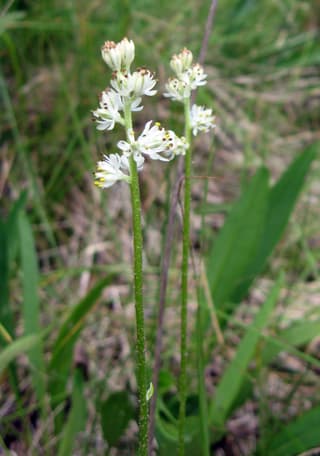
| Sticky false asphodel | Hard | Bright indirect | 1d | ✓ |
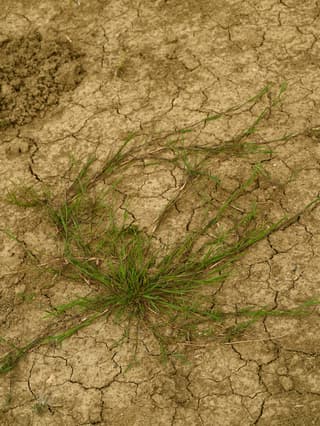
| Creeping bentgrass | Hard | Direct sun | 3d | ✓ |
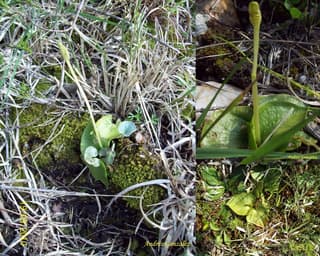
| Bulbous Adder's-tongue | Hard | Partial shade | 4d | ✓ |
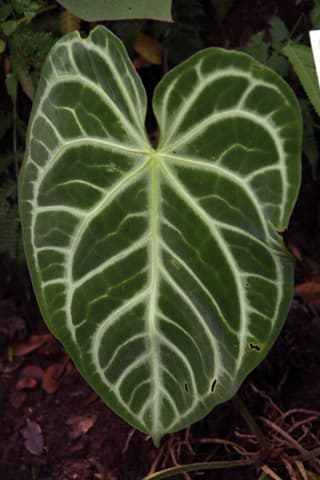
| Crystal Anthurium | Hard | Partial shade | 7d | ⚠️ |