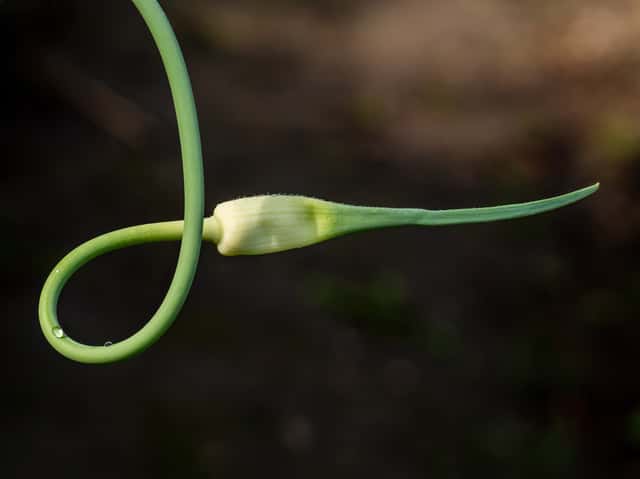
Amaryllidaceae
Garlic: Aromatic Plant
Allium sativum
Garlic is easy to grow, requiring full sun, well-drained soil, and regular watering without waterlogging.
Every 7 days
Direct sun
-2° - 28°C
30% - 50%
Categories
What is Garlic?
Garlic (Allium sativum) is a easy-care plant from the Amaryllidaceae family. Allium sativum, popularly known as garlic, is a bulbous plant in the Amaryllidaceae family. It is widely cultivated worldwide for its culinary and medicinal properties. The plant produces an underground bulb composed of several segments called cloves, encased in a papery skin.
Garlic grows up to 60cm, spread of 30cm, watering every 7 days, -2°C – 28°C, 30–50% humidity. It is not suitable for indoor environments and not safe for pets.
Unlike many tropical plants, Garlic tolerates watering mistakes. Best for beginners. Without precautions, ingestion can cause irritation in pets. Keep out of reach of cats and dogs.
How to Care for Garlic?
TLDR: Garlic needs Direct sun, watering every 7 days, and temperatures between -2-28°C with 30-50% humidity.
How Often Should You Water Garlic?
Reduce watering when the leaves begin to yellow, indicating that the bulbs are maturing for harvest.
How Much Light Does Garlic Need?
Place in a location that receives direct sunlight for at least 6 to 8 hours daily.
What Is the Best Soil for Garlic?
The soil should be loose and rich in organic matter; avoid heavy clay soils that retain too much water.
What Pot Should You Use for Garlic?
Pots at least 20cm deep with efficient drainage holes.
Care Schedule
Fertilize
Every 30 days
What Is Garlic and Where Does It Come From?
Allium sativum, popularly known as garlic, is a bulbous plant in the Amaryllidaceae family. It is widely cultivated worldwide for its culinary and medicinal properties. The plant produces an underground bulb composed of several segments called cloves, encased in a papery skin.
How to Propagate Garlic?
Garlic clove division
- Use larger cloves to obtain larger bulbs at harvest.
- Do not plant supermarket-bought garlic that has been treated with sprout inhibitors.
- 1 Separating the cloves
Separate the cloves from the garlic bulb, keeping the individual skin of each one intact.
- 2 Planting
Plant each clove with the tip pointing up, about 3-5 cm deep in the soil.
- 3 Initial irrigation
Keep the soil moist until the first green shoots appear on the surface.
Materials needed:
How Big Does Garlic Grow?
TLDR: Garlic can reach up to 60cm tall with Medium growth rate.
Max height
60cm
Spread
30cm
Growth rate
Medium
Foliage
Deciduous
Warning: Toxic Plant
This plant can be toxic if ingested. Keep out of reach of:
Plant Uses
Edible
Can be consumed
Medicinal
Medicinal properties
Aromatic
Pleasant fragrance
Medicinal Uses
- Antibacterial action
- Cholesterol reduction
- Assistance in blood pressure control
- Immune system strengthening
Culinary Uses
- Seasoning for meats and vegetables
- Base for sautés
- Raw consumption in sauces
- Roasted garlic
Is your plant showing symptoms?
Click on the symptom to discover possible causes:
What Diseases Commonly Affect Garlic?
TLDR: Garlic is susceptible to 9 known diseases. Monitor regularly for early detection.
Rust
Rust is a common fungal disease caused by fungi in the order Pucciniales that affects a wide variety of plants. The disease gets its name from the characteristic orange, yellow, or reddish-brown pustules that appear on leaves, resembling metal rust. This obligate fungal parasite requires living plants to survive and can cause significant economic losses in agricultural crops.
Downy Mildew
Downy mildew is a fungal-like disease caused by oomycetes (water molds) that thrives in cool, wet conditions. It affects a wide range of plants, causing yellowing leaves with fuzzy white-gray growth underneath, leading to defoliation and reduced yields if left untreated.
Fusarium Wilt
Fusarium wilt is a serious fungal disease caused by the soil-borne fungus Fusarium oxysporum. The fungus invades roots and blocks the water-conducting vessels (xylem) of the plant, causing progressive wilting and eventual death. Host-specific forms of the pathogen exist that attack different plant species.
Root Rot
Root rot is a serious fungal disease that affects the root system of plants, causing them to decay and die. It is primarily caused by overwatering, poor drainage, or soil-borne fungi such as Pythium, Phytophthora, Rhizoctonia, and Fusarium. The disease thrives in waterlogged conditions where roots are deprived of oxygen, making them susceptible to fungal infection.
Meaning & Symbolism
Historically associated with protection against evil, health, and vitality.
Compare with similar plants
| Attribute | Difficulty | Light | Watering | Pet Safe |
|---|---|---|---|---|
| Field Maple | Easy | Bright indirect | 14d | ✓ |
| Silver Birch | Easy | Direct sun | 14d | ✓ |
| Common Blanketflower | Easy | Direct sun | 10d | ✓ |
| Cushion Bush | Easy | Direct sun | 14d | ✓ |





