Iridaceae
Yellow Walking Iris: Ground Cover Plant
Trimezia
An extremely resilient plant that prefers full sun or partial shade and organic-rich soil kept consistently moist.
Every 7 days
Bright indirect
-4° - 35°C
50% - 70%
Categories
What is Yellow Walking Iris?
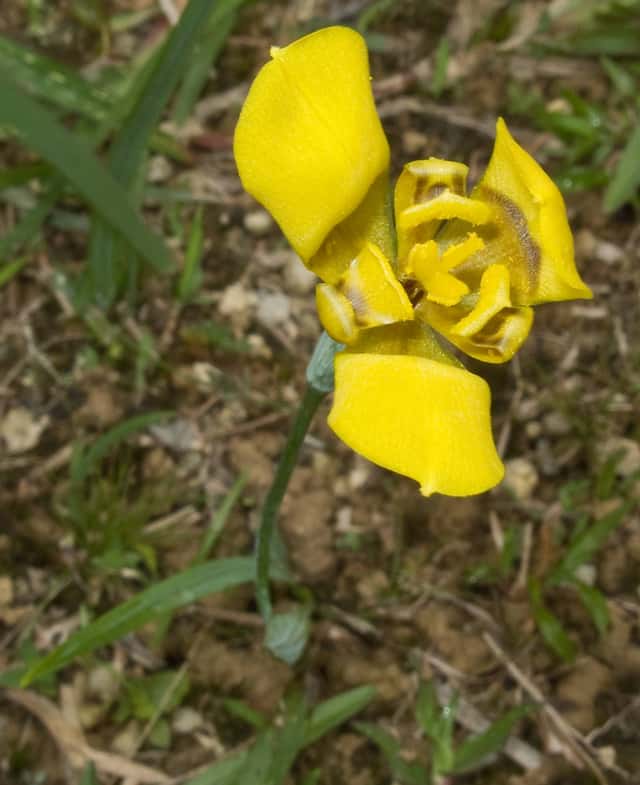
Yellow Walking Iris (Trimezia) is a easy-care plant from the Iridaceae family. Trimezia is a rhizomatous herbaceous plant native to the Americas, highly valued in tropical landscaping. Its leaves are long, green, and sword-shaped, growing in dense fans. The flowers are a vibrant yellow with tiger-striped brown spots in the center. Although each individual flower lasts only one...
Yellow Walking Iris grows up to 80cm, spread of 60cm, watering every 7 days, -4°C – 35°C, 50–70% humidity. It is suitable for indoor environments and safe for pets.
Unlike many tropical plants, Yellow Walking Iris tolerates watering mistakes. Best for beginners. Unlike many popular species, Yellow Walking Iris is safe to keep around pets. Without adequate drainage, root rot can develop within 14 days.
How to Care for Yellow Walking Iris?
TLDR: Yellow Walking Iris needs Bright indirect, watering every 7 days, and temperatures between -4-35°C with 50-70% humidity.
How Often Should You Water Yellow Walking Iris?
Keep the soil moist to the touch, but never waterlogged. Slightly reduce watering during the winter.
How Much Light Does Yellow Walking Iris Need?
For more intense flowering, grow in full sun. In extremely hot regions, partial shade prevents the leaf tips from burning.
What Is the Best Soil for Yellow Walking Iris?
Use a mixture of potting soil, worm castings, and a bit of sand to ensure drainage without losing moisture.
What Pot Should You Use for Yellow Walking Iris?
Wide, shallow ceramic or plastic pots, allowing the rhizomes to spread laterally.
Care Schedule
Fertilize
Every 30 days
Rotate
Every 14 days
Repot
Every 730 days
What Is Yellow Walking Iris and Where Does It Come From?
Trimezia is a rhizomatous herbaceous plant native to the Americas, highly valued in tropical landscaping. Its leaves are long, green, and sword-shaped, growing in dense fans. The flowers are a vibrant yellow with tiger-striped brown spots in the center. Although each individual flower lasts only one day, the plant produces continuous flower stalks that ensure a visual spectacle during the warmer months.
How to Propagate Yellow Walking Iris?
Clump Division
- Take advantage of repotting to prune dry leaves.
- 1 Removing the plant
Remove the plant from the pot or soil carefully to avoid damaging the rhizomes.
- 2 Separation
Cut the rhizome with a clean knife, ensuring each section has at least one fan of leaves and healthy roots.
- 3 Replanting
Plant the divisions in rich soil and water thoroughly.
Materials needed:
Flower Stalk Offsets
- This natural behavior is what gives it the name 'Walking Iris'.
- 1 Identification
Wait for the appearance of small plantlets that form at the tips of the flower stalks after the flowers fall.
- 2 Fixing
Press the stalk so the plantlet touches the soil or secure it in a small auxiliary pot.
- 3 Separation
Once the plantlet has developed its own roots in the soil, cut the stalk connecting it to the mother plant.
Materials needed:
How Big Does Yellow Walking Iris Grow?
TLDR: Yellow Walking Iris can reach up to 80cm tall with Medium growth rate.
Max height
80cm
Spread
60cm
Growth rate
Medium
Foliage
Evergreen
Plant Uses
Ornamental
Great for decoration
Ground Cover
Soil coverage
Is your plant showing symptoms?
Click on the symptom to discover possible causes:
What Diseases Commonly Affect Yellow Walking Iris?
TLDR: Yellow Walking Iris is susceptible to 9 known diseases. Monitor regularly for early detection.
Root Rot
Root rot is a serious fungal disease that affects the root system of plants, causing them to decay and die. It is primarily caused by overwatering, poor drainage, or soil-borne fungi such as Pythium, Phytophthora, Rhizoctonia, and Fusarium. The disease thrives in waterlogged conditions where roots are deprived of oxygen, making them susceptible to fungal infection.
Leaf Spot
Leaf spot is a common fungal disease caused by various pathogens including Alternaria, Ascochyta, Colletotrichum, Septoria, and Venturia. It primarily affects leaves, causing discolored spots that can lead to premature leaf drop if left untreated.
Spider Mites
Spider mites are tiny arachnids (less than 1/20 inch long) related to spiders and ticks that feed on plant sap. They thrive in hot, dry conditions and can cause significant damage to ornamental and vegetable plants. During severe infestations, crop losses can reach 14% or higher as these pests disrupt vital plant processes including photosynthesis, carbon dioxide absorption, and transpiration.
Aphids
Aphids are small, soft-bodied, pear-shaped insects (1/16 to 1/8 inch long) that feed by sucking nutrient-rich sap from plants. They reproduce rapidly and can quickly weaken plants, causing distorted growth and transmitting plant viruses. Aphids come in various colors including green, black, red, yellow, brown, and gray. They secrete honeydew, a sticky substance that attracts ants and encourages sooty mold growth.
Meaning & Symbolism
Represents vivacity, constant renewal, and the beauty of ephemerality.
Compare with similar plants
| Attribute | Difficulty | Light | Watering | Pet Safe |
|---|---|---|---|---|
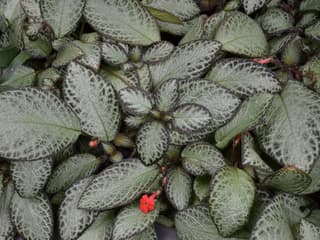
| Flame Violet | Easy | Partial shade | 7d | ✓ |
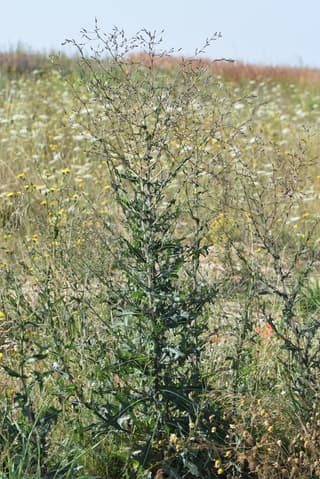
| Prickly Lettuce | Easy | Direct sun | 7d | ✓ |
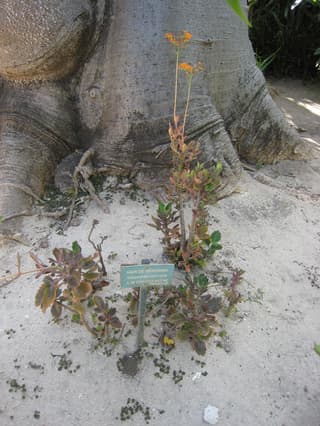
| Christmas Tree Plant | Easy | Bright indirect | 10d | ⚠️ |
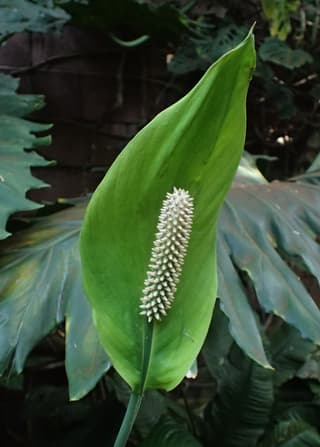
| Peace Lily | Easy | Low light | 7d | ⚠️ |