Zingiberaceae
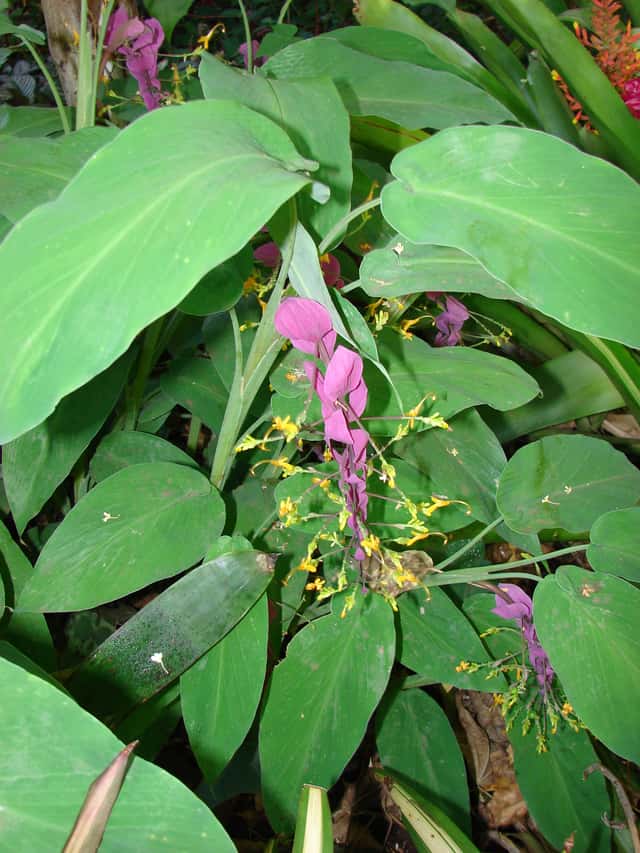
Dancing Lady Ginger (Globba winitii)
Globba winitii
Dancing Lady Ginger thrives in partial to full shade with consistently moist, well-draining, organically rich soil. Water regularly during the growing season, reduce watering in autumn and withhold water in winter dormancy. Fertilize monthly during spring and summer. Mist leaves regularly to maintain humidity.
Every 7 days
Partial shade
15° - 30°C
60% - 85%
Categories
What is Dancing Lady Ginger?
Dancing Lady Ginger (Globba winitii) is a easy-care plant from the Zingiberaceae family. Globba winitii, commonly known as Dancing Lady Ginger, is a stunning tropical plant native to Thailand. It belongs to the Zingiberaceae family and produces elegant drooping sprays of small yellow flowers with showy purple or white bracts that resemble dancing ladies. The plant is deciduous, dying ba...
Dancing Lady Ginger grows up to 60cm, with spread of 40cm, watering every 7 days, 15°C – 30°C, 60–85% humidity. It is suitable for indoor environments and safe for pets.
Unlike many tropical plants, Dancing Lady Ginger tolerates watering mistakes. Best for beginners. Unlike many popular species, Dancing Lady Ginger is safe to keep around pets. Without adequate drainage, root rot can develop within 14 days.
How to Care for Dancing Lady Ginger?
TLDR: Dancing Lady Ginger needs Partial shade, watering every 7 days, and temperatures between 15-30°C with 60-85% humidity.
How Often Should You Water Dancing Lady Ginger?
Water thoroughly when the top inch of soil feels dry, approximately every 7 days during the growing season. Allow the soil to dry out more between waterings in autumn. Completely withhold water during winter dormancy when the plant dies back.
How Much Light Does Dancing Lady Ginger Need?
Globba winitii prefers bright indirect light or dappled sunlight — 4 to 6 hours of filtered morning sun is ideal. Avoid direct afternoon sun which scorches the leaves. In deep shade it will grow well but may flower less prolifically.
What Is the Best Soil for Dancing Lady Ginger?
Use a rich, humus-based, well-draining soil mix. A blend of loam, compost, and perlite works well. Good drainage is essential to prevent root rot; never let the plant sit in waterlogged soil.
What Pot Should You Use for Dancing Lady Ginger?
Terracotta or ceramic pot with drainage holes; wide and shallow pots suit the spreading rhizome. Repot every 1-2 years.
Care Schedule
Fertilize
Every 30 days
Misting
Every 3 days
Repot
Every 365 days
What Is Dancing Lady Ginger and Where Does It Come From?
Globba winitii, commonly known as Dancing Lady Ginger, is a stunning tropical plant native to Thailand. It belongs to the Zingiberaceae family and produces elegant drooping sprays of small yellow flowers with showy purple or white bracts that resemble dancing ladies. The plant is deciduous, dying back in winter and re-emerging in spring with lush green foliage.
How to Propagate Dancing Lady Ginger?
Rhizome Division
Divide clumps every 2-3 years to refresh vigour. Ensure each division has healthy roots and at least one shoot for best success.
- 1 Wait until new shoots emerge in spring before dividing.
- 2 Carefully lift the rhizome clump from the soil.
- 3 Divide into sections, each with at least one growing shoot and some roots.
- 4 Replant in fresh, rich potting mix at the same depth.
- 5 Water well and keep in a warm, shaded spot until established.
Materials needed:
How Big Does Dancing Lady Ginger Grow?
TLDR: Dancing Lady Ginger can reach up to 60cm tall with Medium growth rate.
Max height
60cm
Spread
40cm
Growth rate
Medium
Foliage
Deciduous
Plant Uses
Ornamental
Great for decoration
Is your plant showing symptoms?
Click on the symptom to discover possible causes:
What Diseases Commonly Affect Dancing Lady Ginger?
TLDR: Dancing Lady Ginger is susceptible to 6 known diseases. Monitor regularly for early detection.
Root Rot
Root rot is a serious fungal disease that affects the root system of plants, causing them to decay and die. It is primarily caused by overwatering, poor drainage, or soil-borne fungi such as Pythium, Phytophthora, Rhizoctonia, and Fusarium. The disease thrives in waterlogged conditions where roots are deprived of oxygen, making them susceptible to fungal infection.
Overwatering
Overwatering occurs when plants receive too much water, depriving roots of oxygen and causing root rot. This environmental stress is one of the most common causes of houseplant death, as waterlogged soil prevents roots from breathing and functioning properly.
Aphids
Aphids are small, soft-bodied, pear-shaped insects (1/16 to 1/8 inch long) that feed by sucking nutrient-rich sap from plants. They reproduce rapidly and can quickly weaken plants, causing distorted growth and transmitting plant viruses. Aphids come in various colors including green, black, red, yellow, brown, and gray. They secrete honeydew, a sticky substance that attracts ants and encourages sooty mold growth.
Spider Mites
Spider mites are tiny arachnids (less than 1/20 inch long) related to spiders and ticks that feed on plant sap. They thrive in hot, dry conditions and can cause significant damage to ornamental and vegetable plants. During severe infestations, crop losses can reach 14% or higher as these pests disrupt vital plant processes including photosynthesis, carbon dioxide absorption, and transpiration.
Meaning & Symbolism
Elegance and exotic beauty; associated with grace and tropical charm.
Fun Facts
Globba winitii produces tiny bulbils (miniature plants) in its flower spikes, which drop to the ground and naturally propagate the plant.
The genus name Globba refers to the Malay word for this group of ginger plants found across Southeast Asia.
Despite its tropical appearance, Dancing Lady Ginger can survive mild frosts if the rhizome is mulched and protected underground.
The plant was named in honour of Winitii, recognising its discovery in Thailand where it grows naturally in forest understories.
Frequently asked questions
When does Dancing Lady Ginger bloom?
Is Dancing Lady Ginger toxic to pets?
Why is my Dancing Lady Ginger dying back?
How often should I water Dancing Lady Ginger?
Compare with similar plants
| Attribute | Difficulty | Light | Watering | Pet Safe |
|---|---|---|---|---|
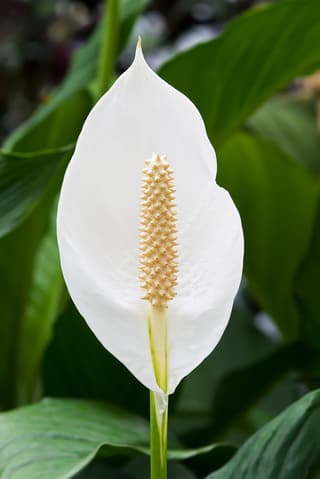
| Peace Lily | Easy | Low light | 4d | ⚠️ |
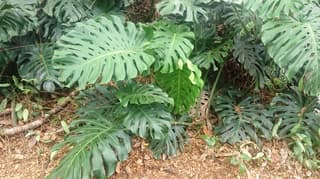
| Swiss Cheese Plant | Easy | Partial shade | 10d | ⚠️ |
| Golden Pothos | Easy | Low light | 8d | ⚠️ |
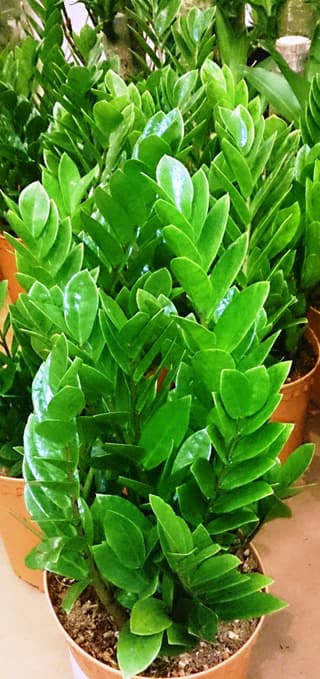
| ZZ Plant | Easy | Low light | 18d | ⚠️ |