Costaceae
How to Grow and Care for Indonesian Wax Ginger
Tapeinochilos ananassae
Indonesian Wax Ginger thrives in consistently moist, organically rich, well-draining soil with high humidity and warm temperatures. Provide bright indirect light to partial shade, water regularly to keep the soil evenly moist, mist frequently to boost humidity, and fertilize monthly during the growing season. Protect from cold drafts and temperatures below 50°F (10°C).
Every 7 days
Bright indirect
10° - 35°C
70% - 90%
Categories
What is Indonesian Wax Ginger?
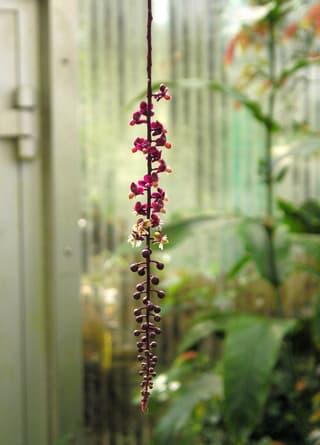
Indonesian Wax Ginger (Tapeinochilos ananassae) is a hard-care plant from the Costaceae family. Tapeinochilos ananassae, commonly known as Indonesian Wax Ginger, is a striking tropical herbaceous perennial native to Indonesia, Papua New Guinea, and northern Australia. It produces dramatic, pineapple-shaped inflorescences of deep red waxy bracts from which small yellow flowers emerge. Growing u...
Indonesian Wax Ginger grows up to 2.4m, with spread of 210cm, watering every 7 days, 10°C – 35°C, 70–90% humidity. It is suitable for indoor environments and safe for pets.
Unlike easy-care plants, Indonesian Wax Ginger demands constant attention to humidity and light. Not recommended for beginners. Unlike many popular species, Indonesian Wax Ginger is safe to keep around pets. Without adequate drainage, root rot can develop within 14 days.
How to Care for Indonesian Wax Ginger?
TLDR: Indonesian Wax Ginger needs Bright indirect, watering every 7 days, and temperatures between 10-35°C with 70-90% humidity.
How Often Should You Water Indonesian Wax Ginger?
Water every 7 days during the growing season, keeping soil consistently moist but never waterlogged. Reduce watering slightly in cooler months. Never allow the soil to fully dry out — this tropical plant demands steady moisture for healthy growth and blooming.
How Much Light Does Indonesian Wax Ginger Need?
Provide bright indirect light or partial shade — around 6-8 hours of bright, filtered light daily. Some morning direct sun is beneficial, but avoid harsh afternoon sun which can scorch the large leaves. Indoors, place near a bright east- or west-facing window.
What Is the Best Soil for Indonesian Wax Ginger?
Use a rich, organic, well-draining potting mix. A blend of loamy garden soil with compost and perlite works well to retain moisture while ensuring good drainage. Avoid compacted or sandy soils. Target a slightly acidic pH between 5.0 and 6.5.
What Pot Should You Use for Indonesian Wax Ginger?
Large terracotta or ceramic pot (24–36 inches diameter) with excellent drainage holes. Heavy containers help support the tall stems. Terracotta promotes air circulation around roots and helps prevent waterlogging.
Care Schedule
Fertilize
Every 30 days
Misting
Every 3 days
Repot
Every 730 days
What Is Indonesian Wax Ginger and Where Does It Come From?
Tapeinochilos ananassae, commonly known as Indonesian Wax Ginger, is a striking tropical herbaceous perennial native to Indonesia, Papua New Guinea, and northern Australia. It produces dramatic, pineapple-shaped inflorescences of deep red waxy bracts from which small yellow flowers emerge. Growing up to 8 feet tall, this rhizomatous plant forms lush, spirally arranged dark green foliage and blooms virtually year-round in tropical conditions. It is prized as an ornamental specimen in tropical gardens and as a greenhouse or indoor statement plant in cooler climates.
How to Propagate Indonesian Wax Ginger?
Rhizome Division
Wear gloves when handling rhizomes. Division is best done in spring. Keep divisions warm and humid during establishment.
- 1 Carefully dig up the plant in spring when new growth begins
- 2 Use a sharp, clean knife to divide the rhizome, ensuring each section has at least one growing shoot
- 3 Allow cut sections to dry for a few hours to reduce risk of rot
- 4 Plant each division in a pot or garden bed with rich, moist potting mix
- 5 Water thoroughly and place in a warm, humid spot with bright indirect light
- 6 Keep soil consistently moist until new growth confirms successful establishment
Materials needed:
How Big Does Indonesian Wax Ginger Grow?
TLDR: Indonesian Wax Ginger can reach up to 2.4m tall with Medium growth rate.
Max height
2.4m
Spread
2.1m
Growth rate
Medium
Foliage
Evergreen
Plant Uses
Ornamental
Great for decoration
Is your plant showing symptoms?
Click on the symptom to discover possible causes:
What Diseases Commonly Affect Indonesian Wax Ginger?
TLDR: Indonesian Wax Ginger is susceptible to 7 known diseases. Monitor regularly for early detection.
Anthracnose
Anthracnose is a fungal disease caused by fungi in the genus Colletotrichum that affects many plants, including vegetables, fruits, and trees. The disease thrives in cool, wet conditions, causing dark, sunken lesions on leaves, stems, flowers, and fruits.
Cercospora Leaf Spot
Cercospora leaf spot is a common fungal disease caused by Cercospora species that affects many plant types, particularly beets, roses, and leafy vegetables. The disease thrives in warm, humid conditions and can cause significant defoliation, reducing plant vigor and yield. It spreads rapidly through water splash, wind, and contaminated tools.
Leaf Spot
Leaf spot is a common fungal disease caused by various pathogens including Alternaria, Ascochyta, Colletotrichum, Septoria, and Venturia. It primarily affects leaves, causing discolored spots that can lead to premature leaf drop if left untreated.
Root Rot
Root rot is a serious fungal disease that affects the root system of plants, causing them to decay and die. It is primarily caused by overwatering, poor drainage, or soil-borne fungi such as Pythium, Phytophthora, Rhizoctonia, and Fusarium. The disease thrives in waterlogged conditions where roots are deprived of oxygen, making them susceptible to fungal infection.
Meaning & Symbolism
Symbol of tropical abundance and exotic beauty, admired for its striking pineapple-like inflorescence.
Fun Facts
The dramatic red inflorescence of Tapeinochilos ananassae resembles a pineapple, earning it the nickname "pineapple ginger" — yet it belongs to the Costaceae family, not true gingers (Zingiberaceae).
In tropical climates, Indonesian Wax Ginger can bloom virtually year-round, producing its spectacular waxy red bracts continuously without a true dormant season.
The plant can grow up to 8 feet (2.4 m) tall, making it one of the most imposing ornamental gingers for tropical gardens and large indoor spaces.
Tapeinochilos ananassae is native to eastern Indonesia, Papua New Guinea, and northern Queensland, Australia — thriving in the humid rainforest understory.
Frequently asked questions
How often should I water Indonesian Wax Ginger?
What light does Indonesian Wax Ginger need?
Is Indonesian Wax Ginger toxic to pets or humans?
Can I grow Indonesian Wax Ginger indoors?
How do I propagate Indonesian Wax Ginger?
Compare with similar plants
| Attribute | Difficulty | Light | Watering | Pet Safe |
|---|---|---|---|---|
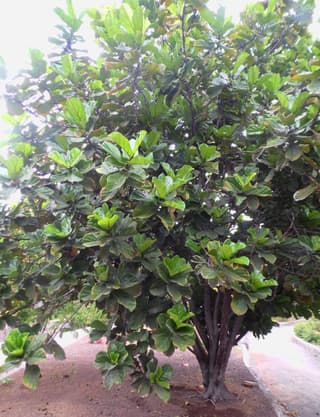
| Fiddle Leaf Fig | Hard | Bright indirect | 10d | ⚠️ |
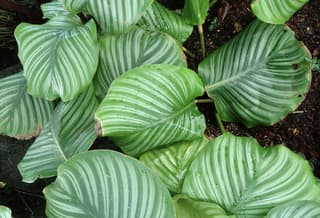
| Round-leaf Calathea | Hard | Partial shade | 7d | ✓ |
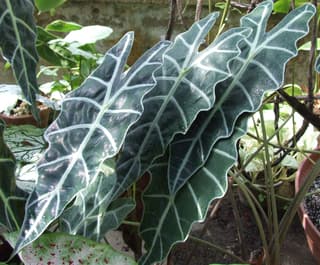
| African Mask Plant | Hard | Partial shade | 5d | ⚠️ |
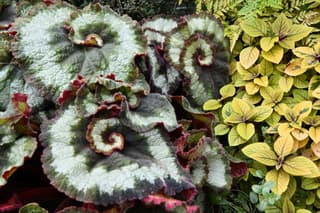
| Rex Begonia | Hard | Partial shade | 7d | ⚠️ |