Rosaceae
Avens (Geum) – The Cheerful Cottage Garden Perennial
Geum
Plant in full sun to partial shade in fertile, well-drained soil. Water regularly to keep soil evenly moist, especially during dry spells. Divide clumps every 2-3 years to maintain vigor and prevent overcrowding.
Every 7 days
Bright indirect
-20° - 30°C
30% - 60%
Categories
What is Avens?
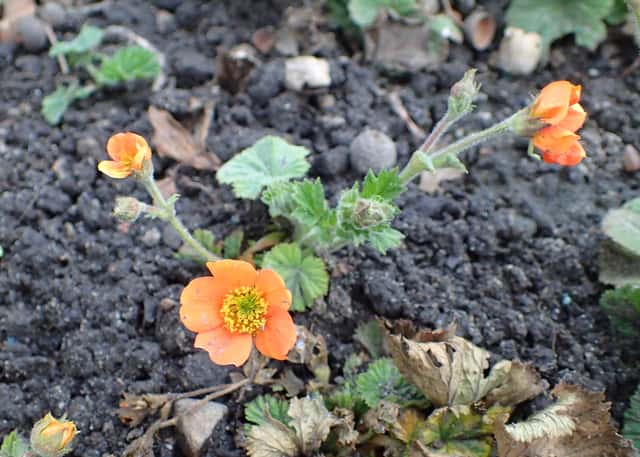
Avens (Geum) is a easy-care plant from the Rosaceae family. Geum is a genus of over 50 herbaceous perennial plants in the Rosaceae family, celebrated for their cheerful cup-shaped flowers in shades of red, orange, yellow, pink, and white. Native across Europe, Asia, and the Americas, Geums are tough, adaptable garden plants beloved in cottage gardens, border...
Avens grows up to 90cm, with spread of 45cm, watering every 7 days, -20°C – 30°C, 30–60% humidity. It is not suitable for indoor environments and safe for pets.
Unlike many tropical plants, Avens tolerates watering mistakes. Best for beginners. Unlike many popular species, Avens is safe to keep around pets.
How to Care for Avens?
TLDR: Avens needs Bright indirect, watering every 7 days, and temperatures between -20-30°C with 30-60% humidity.
How Often Should You Water Avens?
Water every 5-8 days during the growing season, keeping the soil evenly moist but never waterlogged. Reduce watering in winter when the plant is dormant.
How Much Light Does Avens Need?
Geums thrive in full sun (at least 6 hours of direct sunlight). In hot climates, afternoon shade helps prevent leaf scorch and prolongs flowering.
What Is the Best Soil for Avens?
Grow in fertile, well-drained soil with a pH of 5.5-7.0. Avoid heavy clay soils that retain excess moisture, as these can lead to root rot. Amend with compost to improve drainage and fertility.
What Pot Should You Use for Avens?
Terracotta or plastic pots with good drainage holes; most commonly grown directly in garden beds.
Care Schedule
Fertilize
Every 90 days
What Is Avens and Where Does It Come From?
Geum is a genus of over 50 herbaceous perennial plants in the Rosaceae family, celebrated for their cheerful cup-shaped flowers in shades of red, orange, yellow, pink, and white. Native across Europe, Asia, and the Americas, Geums are tough, adaptable garden plants beloved in cottage gardens, borders, and rock gardens.
How to Propagate Avens?
Clump Division
Divide every 2-3 years to maintain vigor. Use clean, sharp tools to minimize damage.
- 1 Carefully dig up the clump in spring
- 2 Divide into smaller sections, each with roots and foliage
- 3 Replant divisions in prepared soil
- 4 Water thoroughly after replanting
Materials needed:
Seed Propagation
Seeds of hybrid cultivars may not come true to type. Species Geums propagate reliably from seed.
- 1 Collect seeds in autumn after flowering
- 2 Cold-stratify for 4-6 weeks in the refrigerator
- 3 Sow in spring in moist seed compost
- 4 Transplant when seedlings reach 5-8 cm tall
Materials needed:
How Big Does Avens Grow?
TLDR: Avens can reach up to 90cm tall with Medium growth rate.
Max height
90cm
Spread
45cm
Growth rate
Medium
Foliage
Deciduous
Plant Uses
Ornamental
Great for decoration
Ground Cover
Soil coverage
Medicinal Uses
- The root of Geum urbanum has been used medicinally as an astringent and to treat diarrhea, stomach complaints, and mouth inflammation.
Is your plant showing symptoms?
Click on the symptom to discover possible causes:
What Diseases Commonly Affect Avens?
TLDR: Avens is susceptible to 7 known diseases. Monitor regularly for early detection.
Root Rot
Root rot is a serious fungal disease that affects the root system of plants, causing them to decay and die. It is primarily caused by overwatering, poor drainage, or soil-borne fungi such as Pythium, Phytophthora, Rhizoctonia, and Fusarium. The disease thrives in waterlogged conditions where roots are deprived of oxygen, making them susceptible to fungal infection.
Powdery Mildew
Powdery mildew is a common fungal disease caused by various fungi species including Erysiphe, Podosphaera, Oïdium, and Leveillula. It affects over 10,000 plant species worldwide. The disease thrives in warm, dry climates with high humidity and appears as a distinctive white powdery coating on plant surfaces.
Downy Mildew
Downy mildew is a fungal-like disease caused by oomycetes (water molds) that thrives in cool, wet conditions. It affects a wide range of plants, causing yellowing leaves with fuzzy white-gray growth underneath, leading to defoliation and reduced yields if left untreated.
Leaf Spot
Leaf spot is a common fungal disease caused by various pathogens including Alternaria, Ascochyta, Colletotrichum, Septoria, and Venturia. It primarily affects leaves, causing discolored spots that can lead to premature leaf drop if left untreated.
Meaning & Symbolism
Geum symbolizes cheerfulness and warmth. In medieval herbalism, the clove-scented root of G. urbanum was used to ward off evil spirits and was known as "herb bennet" (herba benedicta – blessed herb).
Fun Facts
The Geum genus belongs to the Rosaceae family — the same family as roses, apples, and strawberries.
The root of Geum urbanum smells of cloves due to eugenol, the same compound found in clove spices — earning it the name "clove root".
Some Geum species are native to subarctic regions and can tolerate temperatures as low as -40°C.
Geums are excellent pollinator plants, attracting bees and butterflies from spring onwards.
Frequently asked questions
How often should I water Geum?
Does Geum need full sun?
Is Geum toxic to pets?
When and how should I divide Geum?
Why are my Geum leaves turning yellow?
Compare with similar plants
| Attribute | Difficulty | Light | Watering | Pet Safe |
|---|---|---|---|---|
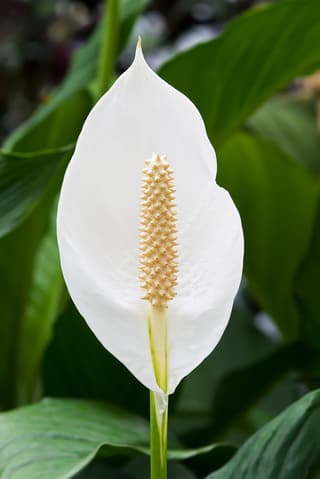
| Peace Lily | Easy | Low light | 4d | ⚠️ |
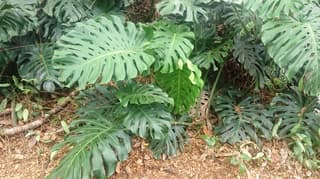
| Swiss Cheese Plant | Easy | Partial shade | 10d | ⚠️ |
| Golden Pothos | Easy | Low light | 8d | ⚠️ |
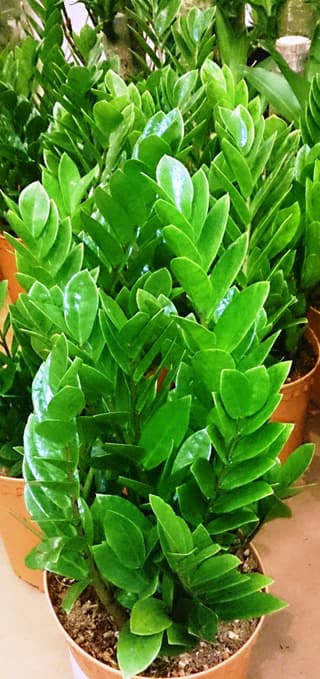
| ZZ Plant | Easy | Low light | 18d | ⚠️ |