Asparagaceae
Giant Hesperaloe (Hesperaloe funifera): Complete Care Guide
Hesperaloe funifera
Extremely drought-tolerant and heat-resistant plant. Requires full sun, well-draining sandy soil, and minimal watering. Perfect for xeriscaping and low-maintenance desert gardens.
Every 21 days
Direct sun
-18° - 45°C
20% - 60%
Categories
What is Giant Hesperaloe?
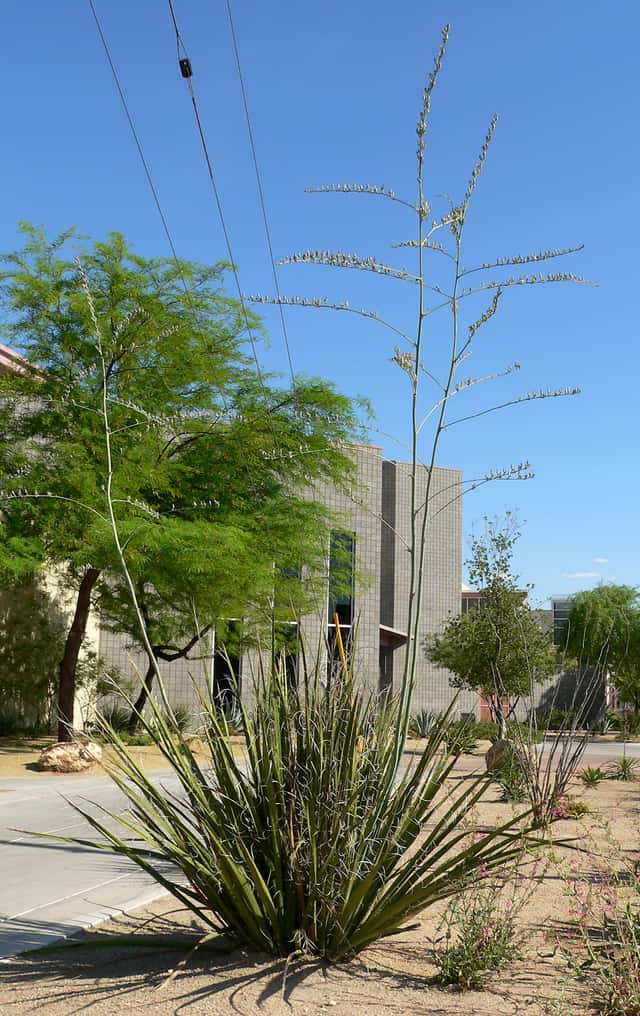
Giant Hesperaloe (Hesperaloe funifera) is a easy-care plant from the Asparagaceae family. Hesperaloe funifera, commonly known as Giant Hesperaloe, is a striking succulent native to the Chihuahuan Desert of northern Mexico and southern Texas. It forms a dramatic rosette of long, narrow leaves up to 6 ft tall, sending up spectacular flower stalks reaching 10-15 ft with creamy white blooms...
Giant Hesperaloe grows up to 1.8m, spread of 180cm, watering every 21 days, -18°C – 45°C, 20–60% humidity. It is not suitable for indoor environments and safe for pets.
Unlike many tropical plants, Giant Hesperaloe tolerates watering mistakes. Best for beginners. Unlike many popular species, Giant Hesperaloe is safe to keep around pets.
How to Care for Giant Hesperaloe?
TLDR: Giant Hesperaloe needs Direct sun, watering every 21 days, and temperatures between -18-45°C with 20-60% humidity.
How Often Should You Water Giant Hesperaloe?
Water every 3 weeks during summer. Reduce or eliminate watering in winter. Once established, it can survive for extended periods without irrigation.
How Much Light Does Giant Hesperaloe Need?
Full sun is essential — at least 6-8 hours of direct sunlight daily. Does not tolerate shade and thrives in intense desert heat.
What Is the Best Soil for Giant Hesperaloe?
Prefers sandy, rocky, or gravelly well-draining soil. Tolerates poor, alkaline soils. Avoid clay or compacted soils that retain moisture.
What Pot Should You Use for Giant Hesperaloe?
Large terracotta pot with drainage holes, or directly in the ground in a xeriscape garden.
Care Schedule
Fertilize
Every 365 days
What Is Giant Hesperaloe and Where Does It Come From?
Hesperaloe funifera, commonly known as Giant Hesperaloe, is a striking succulent native to the Chihuahuan Desert of northern Mexico and southern Texas. It forms a dramatic rosette of long, narrow leaves up to 6 ft tall, sending up spectacular flower stalks reaching 10-15 ft with creamy white blooms in spring and summer.
How to Propagate Giant Hesperaloe?
Seed propagation
Lightly scarify seeds before sowing to improve germination rates. Avoid overwatering seedlings.
- 1 Collect mature seeds from flower stalks
- 2 Sow in sandy, well-draining mix
- 3 Keep slightly moist until germination
- 4 Transplant when seedlings reach 4 inches
Materials needed:
Offset division
Wait until offsets are at least 6 inches tall. Use clean tools to prevent infection.
- 1 Identify basal offsets from the mother plant
- 2 Separate with a sharp sterile knife
- 3 Allow cut to dry for 1-2 days
- 4 Plant in sandy mix and water minimally
Materials needed:
How Big Does Giant Hesperaloe Grow?
TLDR: Giant Hesperaloe can reach up to 1.8m tall with Slow growth rate.
Max height
1.8m
Spread
1.8m
Growth rate
Slow
Foliage
Evergreen
Plant Uses
Ornamental
Great for decoration
Is your plant showing symptoms?
Click on the symptom to discover possible causes:
What Diseases Commonly Affect Giant Hesperaloe?
TLDR: Giant Hesperaloe is susceptible to 4 known diseases. Monitor regularly for early detection.
Root Rot
Root rot is a serious fungal disease that affects the root system of plants, causing them to decay and die. It is primarily caused by overwatering, poor drainage, or soil-borne fungi such as Pythium, Phytophthora, Rhizoctonia, and Fusarium. The disease thrives in waterlogged conditions where roots are deprived of oxygen, making them susceptible to fungal infection.
Mealybugs
Mealybugs are small, soft-bodied insects covered with a white, waxy, cottony material. They are common pests of houseplants and outdoor plants in mild climates. These sap-sucking insects feed on plant tissue, causing damage, stunted growth, and can lead to plant death if left untreated. They produce sticky honeydew which attracts sooty mold.
Leaf Spot
Leaf spot is a common fungal disease caused by various pathogens including Alternaria, Ascochyta, Colletotrichum, Septoria, and Venturia. It primarily affects leaves, causing discolored spots that can lead to premature leaf drop if left untreated.
Spider Mites
Spider mites are tiny arachnids (less than 1/20 inch long) related to spiders and ticks that feed on plant sap. They thrive in hot, dry conditions and can cause significant damage to ornamental and vegetable plants. During severe infestations, crop losses can reach 14% or higher as these pests disrupt vital plant processes including photosynthesis, carbon dioxide absorption, and transpiration.
Meaning & Symbolism
Resilience, endurance, and wild beauty. A symbol of survival in harsh desert environments.
Fun Facts
Flower stalks can reach up to 15 feet (4.5 m) in height
Indigenous communities have traditionally used its fibers for textile production
It tolerates temperatures from -18°C to 45°C without special protection
An established plant can survive years without supplemental irrigation
Frequently asked questions
How often should I water Giant Hesperaloe?
Is Hesperaloe funifera frost-hardy?
Can Giant Hesperaloe grow in a pot?
When does Giant Hesperaloe bloom?
Compare with similar plants
| Attribute | Difficulty | Light | Watering | Pet Safe |
|---|---|---|---|---|
| Field Maple | Easy | Bright indirect | 14d | ✓ |
| Silver Birch | Easy | Direct sun | 14d | ✓ |
| Cushion Bush | Easy | Direct sun | 14d | ✓ |
| Peruvian peppertree | Easy | Direct sun | 14d | ⚠️ |





