Caprifoliaceae
Glossy Abelia (Abelia x grandiflora): Complete Care Guide
Abelia x grandiflora
Glossy Abelia thrives in full sun to partial shade in well-drained soil. Water regularly during the first year to establish roots; once established, it is drought-tolerant. Prune in late winter to encourage new flowering growth. Apply a light balanced fertilizer in spring.
Every 7 days
Bright indirect
-10° - 38°C
40% - 70%
Categories
What is Glossy Abelia?
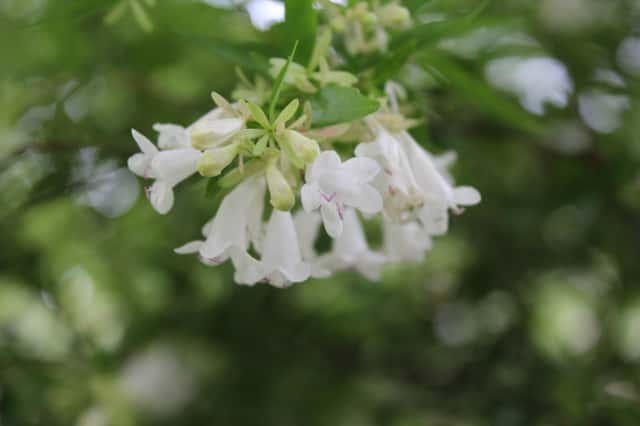
Glossy Abelia (Abelia x grandiflora) is a easy-care plant from the Caprifoliaceae family. Glossy Abelia (Abelia x grandiflora) is a semi-evergreen ornamental shrub prized for its long-lasting display of fragrant, pink-tinged white bell-shaped flowers from late spring through fall. A hybrid of Asian species developed in the 19th century, it features attractive glossy foliage that turns br...
Glossy Abelia grows up to 2.0m, spread of 180cm, watering every 7 days, -10°C – 38°C, 40–70% humidity. It is not suitable for indoor environments and safe for pets.
Unlike many tropical plants, Glossy Abelia tolerates watering mistakes. Best for beginners. Unlike many popular species, Glossy Abelia is safe to keep around pets.
How to Care for Glossy Abelia?
TLDR: Glossy Abelia needs Bright indirect, watering every 7 days, and temperatures between -10-38°C with 40-70% humidity.
How Often Should You Water Glossy Abelia?
Water weekly during the first growing season to help establish deep roots. Once established, Glossy Abelia is drought-tolerant — water deeply but infrequently, allowing the soil to partially dry between waterings. Avoid waterlogged conditions which can lead to root rot.
How Much Light Does Glossy Abelia Need?
Full sun is ideal for maximum flowering, but Glossy Abelia adapts well to partial shade. In very hot climates, afternoon shade can help prevent leaf scorch. Aim for at least 6 hours of direct sunlight daily for the best bloom display.
What Is the Best Soil for Glossy Abelia?
Adaptable to a wide range of soils including loam, sand, and clay, as long as drainage is good. Tolerates pH from 5.5 to 8.0. Amend heavy clay soils with organic matter to improve drainage. Avoid compacted or waterlogged soils.
Care Schedule
Fertilize
Every 90 days
What Is Glossy Abelia and Where Does It Come From?
Glossy Abelia (Abelia x grandiflora) is a semi-evergreen ornamental shrub prized for its long-lasting display of fragrant, pink-tinged white bell-shaped flowers from late spring through fall. A hybrid of Asian species developed in the 19th century, it features attractive glossy foliage that turns bronze-red in winter. Highly adaptable and low-maintenance, it is widely used in hedges, borders, and pollinator gardens.
How to Propagate Glossy Abelia?
Stem Cutting
Semi-hardwood cuttings taken in late summer root most reliably. Cover with a plastic bag or humidity dome to maintain moisture around the cutting.
- 1 Take semi-hardwood cuttings of 10-15 cm in summer
- 2 Remove lower leaves, keeping 2-3 pairs at the tip
- 3 Dip the base in rooting hormone powder
- 4 Plant in a moist rooting medium (peat and perlite mix)
- 5 Place in bright indirect light at 18-24°C
- 6 Keep the medium moist but not waterlogged
- 7 Rooting occurs in 4-6 weeks
How Big Does Glossy Abelia Grow?
TLDR: Glossy Abelia can reach up to 2.0m tall with Medium growth rate.
Max height
2.0m
Spread
1.8m
Growth rate
Medium
Foliage
Semi-evergreen
Plant Uses
Ornamental
Great for decoration
Is your plant showing symptoms?
Click on the symptom to discover possible causes:
What Diseases Commonly Affect Glossy Abelia?
TLDR: Glossy Abelia is susceptible to 6 known diseases. Monitor regularly for early detection.
Powdery Mildew
Powdery mildew is a common fungal disease caused by various fungi species including Erysiphe, Podosphaera, Oïdium, and Leveillula. It affects over 10,000 plant species worldwide. The disease thrives in warm, dry climates with high humidity and appears as a distinctive white powdery coating on plant surfaces.
Anthracnose
Anthracnose is a fungal disease caused by fungi in the genus Colletotrichum that affects many plants, including vegetables, fruits, and trees. The disease thrives in cool, wet conditions, causing dark, sunken lesions on leaves, stems, flowers, and fruits.
Aphids
Aphids are small, soft-bodied, pear-shaped insects (1/16 to 1/8 inch long) that feed by sucking nutrient-rich sap from plants. They reproduce rapidly and can quickly weaken plants, causing distorted growth and transmitting plant viruses. Aphids come in various colors including green, black, red, yellow, brown, and gray. They secrete honeydew, a sticky substance that attracts ants and encourages sooty mold growth.
Spider Mites
Spider mites are tiny arachnids (less than 1/20 inch long) related to spiders and ticks that feed on plant sap. They thrive in hot, dry conditions and can cause significant damage to ornamental and vegetable plants. During severe infestations, crop losses can reach 14% or higher as these pests disrupt vital plant processes including photosynthesis, carbon dioxide absorption, and transpiration.
Meaning & Symbolism
Símbolo de elegância e longevidade no jardim, a abelia é associada à beleza duradoura e à atração de polinizadores.
Fun Facts
Glossy Abelia can bloom for up to 6 months continuously, making it one of the longest-blooming shrubs in temperate gardens.
Its tubular flowers are a magnet for bees, butterflies, and hummingbirds, making it an excellent choice for pollinator gardens.
Even after the flowers fall, the persistent rosy-pink calyces remain on the branches throughout winter, extending the ornamental display.
Abelia x grandiflora is a 19th-century hybrid and is now naturalized in parts of Europe, America, and Australia as an ornamental garden shrub.
Frequently asked questions
Does Glossy Abelia lose its leaves in winter?
How often should I prune Glossy Abelia?
Is Glossy Abelia toxic to pets?
Can Glossy Abelia grow in containers?
Why is my Abelia not blooming?
Compare with similar plants
| Attribute | Difficulty | Light | Watering | Pet Safe |
|---|---|---|---|---|
| Field Maple | Easy | Bright indirect | 14d | ✓ |
| Silver Birch | Easy | Direct sun | 14d | ✓ |
| Common Blanketflower | Easy | Direct sun | 10d | ✓ |
| Cushion Bush | Easy | Direct sun | 14d | ✓ |





