Asparagaceae
Mondo Grass — Ophiopogon japonicus
Ophiopogon japonicus
Easy-care shade groundcover. Water weekly until established, then drought-tolerant. Prefers well-draining, slightly acidic soil. Slow grower but very resilient and low-maintenance.
Every 7 days
Partial shade
-12° - 35°C
40% - 70%
Categories
What is Mondo Grass?
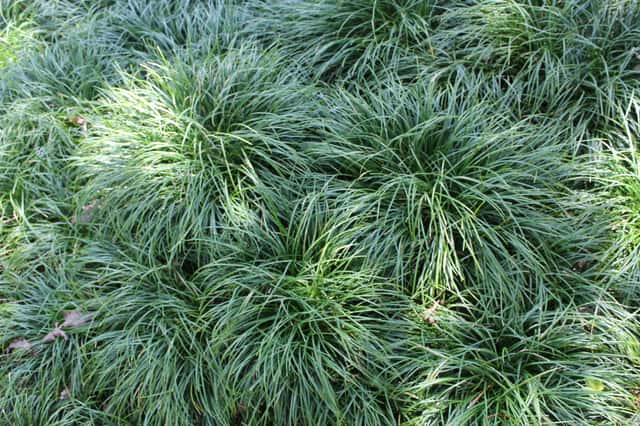
Mondo Grass (Ophiopogon japonicus) is a easy-care plant from the Asparagaceae family. Ophiopogon japonicus, commonly known as mondo grass or dwarf lilyturf, is an evergreen perennial groundcover native to Japan and East Asia. It forms dense, low-growing mats of dark green, grass-like foliage and is widely used in shaded gardens. In summer it produces small white to pale lilac flowers...
Mondo Grass grows up to 30cm, with spread of 30cm, watering every 7 days, -12°C – 35°C, 40–70% humidity. It is suitable for indoor environments and not safe for pets.
Unlike many tropical plants, Mondo Grass tolerates watering mistakes. Best for beginners. Without precautions, ingestion can cause irritation in pets. Keep out of reach of cats and dogs. Without adequate drainage, root rot can develop within 14 days.
How to Care for Mondo Grass?
TLDR: Mondo Grass needs Partial shade, watering every 7 days, and temperatures between -12-35°C with 40-70% humidity.
How Often Should You Water Mondo Grass?
Water weekly during the establishment period, keeping soil moist but not waterlogged. Once established, mondo grass is drought-tolerant. Avoid overwatering to prevent root rot.
How Much Light Does Mondo Grass Need?
Thrives in partial to full shade. Tolerates morning sun but avoid intense afternoon sunlight which can scorch the foliage. Ideal under trees or in dappled light conditions.
What Is the Best Soil for Mondo Grass?
Prefers well-draining, slightly acidic soil (pH 5.5–7.0). Tolerates clay, loam, and sandy soils. Amend with compost for best results. Avoid waterlogged conditions.
What Pot Should You Use for Mondo Grass?
Shallow, wide containers with good drainage holes work best. Terracotta or plastic pots are suitable.
Care Schedule
Fertilize
Every 90 days
Repot
Every 730 days
What Is Mondo Grass and Where Does It Come From?
Ophiopogon japonicus, commonly known as mondo grass or dwarf lilyturf, is an evergreen perennial groundcover native to Japan and East Asia. It forms dense, low-growing mats of dark green, grass-like foliage and is widely used in shaded gardens. In summer it produces small white to pale lilac flowers followed by ornamental cobalt-blue berries.
How to Propagate Mondo Grass?
Division
- 1 Divide clumps in spring or fall
- 2 Carefully separate rhizomes
- 3 Plant divisions in their final location
- 4 Water thoroughly after planting
How Big Does Mondo Grass Grow?
TLDR: Mondo Grass can reach up to 30cm tall with Slow growth rate.
Max height
30cm
Spread
30cm
Growth rate
Slow
Foliage
Evergreen
Warning: Toxic Plant
This plant can be toxic if ingested. Keep out of reach of:
Plant Uses
Ornamental
Great for decoration
Ground Cover
Soil coverage
Is your plant showing symptoms?
Click on the symptom to discover possible causes:
What Diseases Commonly Affect Mondo Grass?
TLDR: Mondo Grass is susceptible to 6 known diseases. Monitor regularly for early detection.
Root Rot
Root rot is a serious fungal disease that affects the root system of plants, causing them to decay and die. It is primarily caused by overwatering, poor drainage, or soil-borne fungi such as Pythium, Phytophthora, Rhizoctonia, and Fusarium. The disease thrives in waterlogged conditions where roots are deprived of oxygen, making them susceptible to fungal infection.
Overwatering
Overwatering occurs when plants receive too much water, depriving roots of oxygen and causing root rot. This environmental stress is one of the most common causes of houseplant death, as waterlogged soil prevents roots from breathing and functioning properly.
Anthracnose
Anthracnose is a fungal disease caused by fungi in the genus Colletotrichum that affects many plants, including vegetables, fruits, and trees. The disease thrives in cool, wet conditions, causing dark, sunken lesions on leaves, stems, flowers, and fruits.
Pythium Root Rot
Pythium root rot is a serious fungal disease caused by various Pythium species including P. aphanidermatum, P. ultimum, and P. irregulare. These water molds are present in practically all cultivated soils and attack plant roots under wet conditions, causing rapid wet rot that can extend into the stem. The disease is favored by poor drainage, overwatering, and specific temperatures depending on the species.
Meaning & Symbolism
In East Asian traditions, symbolizes resilience, endurance, and harmony with nature.
Fun Facts
The cobalt-blue berries of mondo grass are highly ornamental and popular in floral arrangements.
It is one of the few plants that truly thrives in full shade, making it essential in urban and woodland gardens.
In traditional Chinese medicine, Ophiopogon japonicus roots have been used for centuries as a tonic herb (Mai Dong).
Frequently asked questions
Is mondo grass toxic to pets?
How often should I water mondo grass?
Can mondo grass grow in full sun?
Compare with similar plants
| Attribute | Difficulty | Light | Watering | Pet Safe |
|---|---|---|---|---|
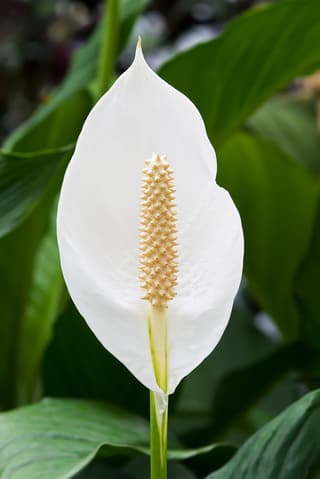
| Peace Lily | Easy | Low light | 4d | ⚠️ |
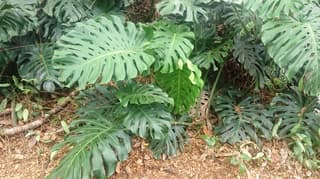
| Swiss Cheese Plant | Easy | Partial shade | 10d | ⚠️ |
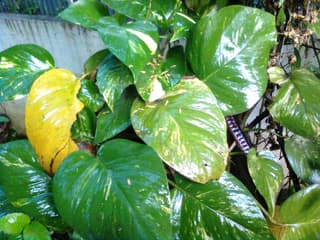
| Golden Pothos | Easy | Low light | 8d | ⚠️ |
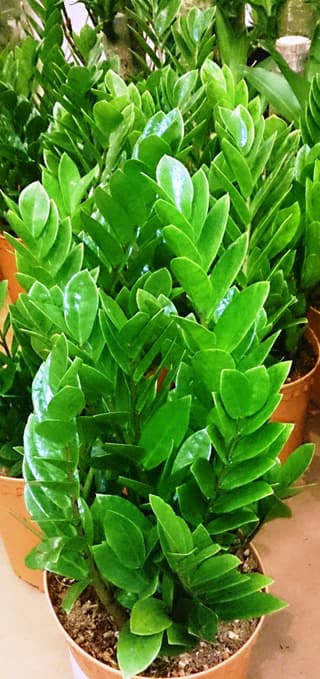
| ZZ Plant | Easy | Low light | 18d | ⚠️ |