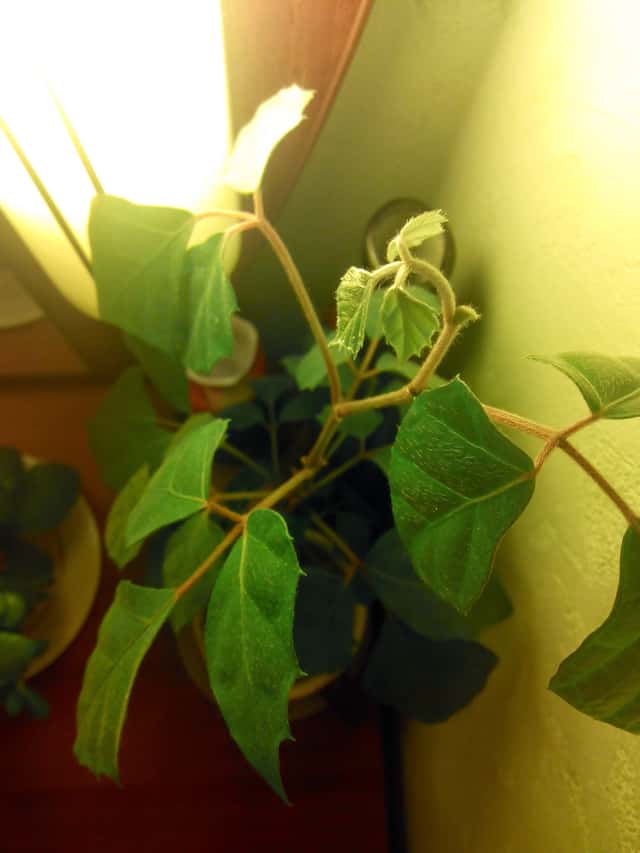
Vitaceae
Grape Ivy (Cissus rhombifolia): Complete Indoor Care Guide
Cissus rhombifolia
An easy-going vine that prefers bright indirect light and moderate watering. Allow the top inch of soil to dry between waterings. Benefits from higher humidity and monthly fertilization during the growing season. Tolerates some neglect but is sensitive to overwatering.
Every 7 days
Partial shade
10° - 27°C
40% - 60%
Categories
What is Grape Ivy?
Grape Ivy (Cissus rhombifolia) is a easy-care plant from the Vitaceae family. Cissus rhombifolia, commonly known as Grape Ivy, is a vigorous tropical climbing plant from the Vitaceae family, native to Central and South America. Its trifoliate, deep-green glossy leaves with rust-colored hairs on the undersides make it one of the most attractive indoor vining plants. It thrives...
Grape Ivy grows up to 1.5m, spread of 90cm, watering every 7 days, 10°C – 27°C, 40–60% humidity. It is suitable for indoor environments and safe for pets.
Unlike many tropical plants, Grape Ivy tolerates watering mistakes. Best for beginners. Unlike many popular species, Grape Ivy is safe to keep around pets. Without adequate drainage, root rot can develop within 14 days.
How to Care for Grape Ivy?
TLDR: Grape Ivy needs Partial shade, watering every 7 days, and temperatures between 10-27°C with 40-60% humidity.
How Often Should You Water Grape Ivy?
Water every 7–10 days in spring and summer, allowing the top 2–3 cm of soil to dry out between waterings. Reduce to every 10–14 days in fall and winter. Always ensure the pot has drainage holes to prevent root rot.
How Much Light Does Grape Ivy Need?
Place in bright, indirect light near a window. Direct sun can scorch the leaves. It tolerates moderate light but will grow more slowly. East or north-facing windows are ideal; west or south windows work if filtered by a sheer curtain.
What Is the Best Soil for Grape Ivy?
Use a well-draining potting mix — a blend of standard potting soil with perlite or coarse sand (2:1 ratio) works well. Slightly acidic to neutral pH (6.0–7.0). Repot every 12–18 months when roots start emerging from drainage holes.
What Pot Should You Use for Grape Ivy?
Terracotta or ceramic pots with drainage holes are ideal. For hanging displays, use a woven basket with a drip tray. Avoid oversized pots as they retain too much moisture and can lead to root rot.
Care Schedule
Fertilize
Every 30 days
Misting
Every 2 days
Repot
Every 365 days
What Is Grape Ivy and Where Does It Come From?
Cissus rhombifolia, commonly known as Grape Ivy, is a vigorous tropical climbing plant from the Vitaceae family, native to Central and South America. Its trifoliate, deep-green glossy leaves with rust-colored hairs on the undersides make it one of the most attractive indoor vining plants. It thrives in hanging baskets, trained on trellises, or allowed to cascade from shelves. A naturally resilient plant, it adapts well to typical indoor conditions with minimal care.
How to Propagate Grape Ivy?
Stem Cutting
Change the water weekly if rooting in water. Keep the substrate lightly moist but never waterlogged. Spring gives the best success rates as the plant is actively growing.
- 1 Take a healthy stem cutting of 10–15 cm with 2–3 leaves
- 2 Remove lower leaves, leaving only 1–2 at the top
- 3 Optionally dip the cut end in rooting hormone
- 4 Place in water or a moist, well-draining potting mix
- 5 Keep in bright indirect light and wait for roots to appear
Materials needed:
How Big Does Grape Ivy Grow?
TLDR: Grape Ivy can reach up to 1.5m tall with Medium growth rate.
Max height
1.5m
Spread
90cm
Growth rate
Medium
Foliage
Evergreen
Plant Uses
Ornamental
Great for decoration
Air Purifying
Improves air quality
Is your plant showing symptoms?
Click on the symptom to discover possible causes:
What Diseases Commonly Affect Grape Ivy?
TLDR: Grape Ivy is susceptible to 8 known diseases. Monitor regularly for early detection.
Root Rot
Root rot is a serious fungal disease that affects the root system of plants, causing them to decay and die. It is primarily caused by overwatering, poor drainage, or soil-borne fungi such as Pythium, Phytophthora, Rhizoctonia, and Fusarium. The disease thrives in waterlogged conditions where roots are deprived of oxygen, making them susceptible to fungal infection.
Spider Mites
Spider mites are tiny arachnids (less than 1/20 inch long) related to spiders and ticks that feed on plant sap. They thrive in hot, dry conditions and can cause significant damage to ornamental and vegetable plants. During severe infestations, crop losses can reach 14% or higher as these pests disrupt vital plant processes including photosynthesis, carbon dioxide absorption, and transpiration.
Mealybugs
Mealybugs are small, soft-bodied insects covered with a white, waxy, cottony material. They are common pests of houseplants and outdoor plants in mild climates. These sap-sucking insects feed on plant tissue, causing damage, stunted growth, and can lead to plant death if left untreated. They produce sticky honeydew which attracts sooty mold.
Powdery Mildew
Powdery mildew is a common fungal disease caused by various fungi species including Erysiphe, Podosphaera, Oïdium, and Leveillula. It affects over 10,000 plant species worldwide. The disease thrives in warm, dry climates with high humidity and appears as a distinctive white powdery coating on plant surfaces.
Meaning & Symbolism
Grape Ivy symbolizes resilience and tenacity — a plant that climbs and adapts, finding its way through any obstacle. It represents growth through perseverance.
Fun Facts
Cissus rhombifolia is actually a synonym of Cissus alata, which received the Royal Horticultural Society Award of Garden Merit
It belongs to the Vitaceae family — the same family as grapes and wine vines
In the wild, it can climb up to 5 meters using its forked tendrils
It is one of the few tropical vines well-adapted to the dry air found in most homes
Frequently asked questions
How often should I water Grape Ivy?
Is Grape Ivy toxic to cats and dogs?
Why are my Grape Ivy leaves falling off?
How do I propagate Grape Ivy?
What is the best spot for Grape Ivy indoors?
Compare with similar plants
| Attribute | Difficulty | Light | Watering | Pet Safe |
|---|---|---|---|---|
| Field Maple | Easy | Bright indirect | 14d | ✓ |
| Silver Birch | Easy | Direct sun | 14d | ✓ |
| Common Blanketflower | Easy | Direct sun | 10d | ✓ |
| Cushion Bush | Easy | Direct sun | 14d | ✓ |





