Solanaceae
Ground Cherry (Physalis): The Complete Growing and Care Guide
Physalis sp
Full-sun plant requiring regular watering without waterlogging. Prefers well-drained, organically rich soil with slightly acidic pH. Fast-growing with edible fruits of high nutritional value. Heat-tolerant but sensitive to hard frost.
Every 5 days
Direct sun
10° - 30°C
50% - 80%
Categories
What is Ground Cherry?
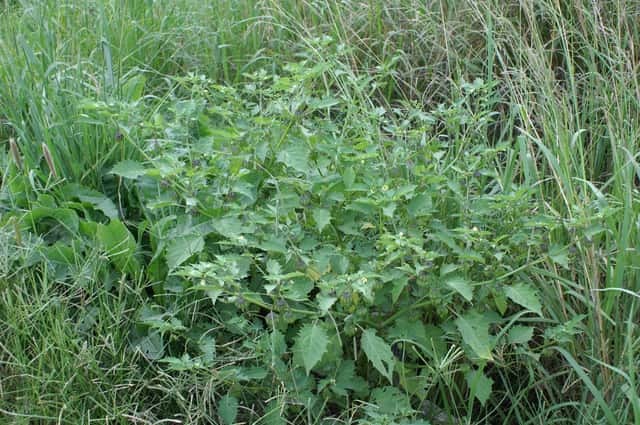
Ground Cherry (Physalis sp) is a easy-care plant from the Solanaceae family. Physalis is a genus of about 90 species in the Solanaceae family, native to the Americas, particularly Central and South America. Known for their distinctive papery husk enclosing an orange berry, these plants are valued for ornamental beauty, edible fruit, and medicinal properties. White to yellow...
Ground Cherry grows up to 1.5m, with spread of 90cm, watering every 5 days, 10°C – 30°C, 50–80% humidity. It is not suitable for indoor environments and not safe for pets.
Unlike many tropical plants, Ground Cherry tolerates watering mistakes. Best for beginners. Without precautions, ingestion can cause irritation in pets. Keep out of reach of cats and dogs.
How to Care for Ground Cherry?
TLDR: Ground Cherry needs Direct sun, watering every 5 days, and temperatures between 10-30°C with 50-80% humidity.
How Often Should You Water Ground Cherry?
Water every 4-6 days, allowing the top layer of soil to dry slightly between waterings. Avoid waterlogging, which causes root rot. Increase frequency during hot weather and reduce in winter.
How Much Light Does Ground Cherry Need?
Plant in a location with at least 6-8 hours of direct sunlight per day. Insufficient light reduces fruit production and increases susceptibility to fungal diseases.
What Is the Best Soil for Ground Cherry?
Prefers sandy loam, well-drained soil rich in organic matter. Ideal pH between 5.5 and 6.8. Incorporate compost before planting to improve fertility and moisture retention.
What Pot Should You Use for Ground Cherry?
Terracotta or ceramic pots are ideal as they facilitate drainage and substrate aeration. Use containers at least 30-40 cm deep to accommodate the robust root system.
Care Schedule
Fertilize
Every 30 days
Repot
Every 365 days
What Is Ground Cherry and Where Does It Come From?
Physalis is a genus of about 90 species in the Solanaceae family, native to the Americas, particularly Central and South America. Known for their distinctive papery husk enclosing an orange berry, these plants are valued for ornamental beauty, edible fruit, and medicinal properties. White to yellow flowers bloom in spring and summer, followed by nutritious fruits rich in vitamins and antioxidants.
How to Propagate Ground Cherry?
Seed propagation
Start seeds 6-8 weeks before the last frost date. Keep growing medium moist but not waterlogged during germination.
- 1 Extract seeds from ripe fruits and wash them thoroughly
- 2 Sow in seed trays with moist, well-drained growing medium
- 3 Cover lightly with growing medium and keep in a warm location (20-25°C)
- 4 Transplant seedlings when they reach 10-15 cm in height
Materials needed:
How Big Does Ground Cherry Grow?
TLDR: Ground Cherry can reach up to 1.5m tall with Fast growth rate.
Max height
1.5m
Spread
90cm
Growth rate
Fast
Foliage
Semi-evergreen
Warning: Toxic Plant
This plant can be toxic if ingested. Keep out of reach of:
Plant Uses
Ornamental
Great for decoration
Edible
Can be consumed
Medicinal
Medicinal properties
Medicinal Uses
- Fruits used in folk medicine as anti-inflammatory, diuretic, and antioxidant
- Leaves used in traditional poultices for skin inflammation treatment
- Fruit extracts studied for antitumor and immunomodulatory properties
Culinary Uses
- Ripe fruits eaten fresh with a sweet-tart flavor
- Used in jams, preserves, ice creams, and artisan sweets
- Excellent for fruit salads and gourmet plating decoration
- Juices and smoothies high in vitamin C
Is your plant showing symptoms?
Click on the symptom to discover possible causes:
What Diseases Commonly Affect Ground Cherry?
TLDR: Ground Cherry is susceptible to 8 known diseases. Monitor regularly for early detection.
Root Rot
Root rot is a serious fungal disease that affects the root system of plants, causing them to decay and die. It is primarily caused by overwatering, poor drainage, or soil-borne fungi such as Pythium, Phytophthora, Rhizoctonia, and Fusarium. The disease thrives in waterlogged conditions where roots are deprived of oxygen, making them susceptible to fungal infection.
Powdery Mildew
Powdery mildew is a common fungal disease caused by various fungi species including Erysiphe, Podosphaera, Oïdium, and Leveillula. It affects over 10,000 plant species worldwide. The disease thrives in warm, dry climates with high humidity and appears as a distinctive white powdery coating on plant surfaces.
Alternaria Leaf Spot
Alternaria leaf spot is a common fungal disease caused by Alternaria solani and Alternaria alternata that affects a wide range of plants including tomatoes, potatoes, brassicas, and ornamentals. The disease thrives in warm, humid conditions and can cause significant crop damage if left untreated. Spores overwinter on plant debris and can attach to seeds, making complete elimination difficult.
Aphids
Aphids are small, soft-bodied, pear-shaped insects (1/16 to 1/8 inch long) that feed by sucking nutrient-rich sap from plants. They reproduce rapidly and can quickly weaken plants, causing distorted growth and transmitting plant viruses. Aphids come in various colors including green, black, red, yellow, brown, and gray. They secrete honeydew, a sticky substance that attracts ants and encourages sooty mold growth.
Meaning & Symbolism
Symbol of abundance, prosperity, and hidden gifts in native American cultures. The fruit hidden inside its papery husk represents pleasant surprises and well-kept secrets.
Fun Facts
Physalis peruviana can produce up to 300 fruits per plant in a single growing season
The papery husk enclosing the fruit is actually a modified calyx that serves as natural pest protection
Ground Cherry fruits are among the highest in vitamin C content of any fruit in the Americas
Over 90 Physalis species are found in the Americas, making it one of the most diverse genera in the Solanaceae family
Frequently asked questions
How often should I water Ground Cherry?
Is Physalis toxic to pets?
How much sun does Physalis need?
When are Ground Cherry fruits ready to harvest?
How do I propagate Physalis?
Compare with similar plants
| Attribute | Difficulty | Light | Watering | Pet Safe |
|---|---|---|---|---|
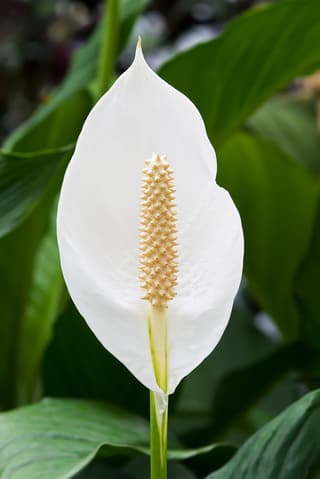
| Peace Lily | Easy | Low light | 4d | ⚠️ |
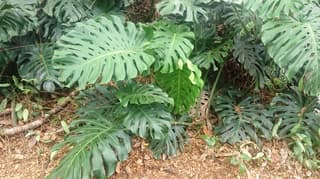
| Swiss Cheese Plant | Easy | Partial shade | 10d | ⚠️ |
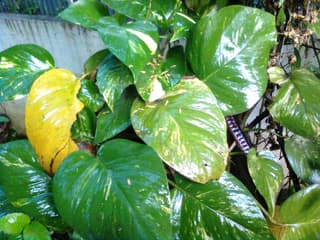
| Golden Pothos | Easy | Low light | 8d | ⚠️ |
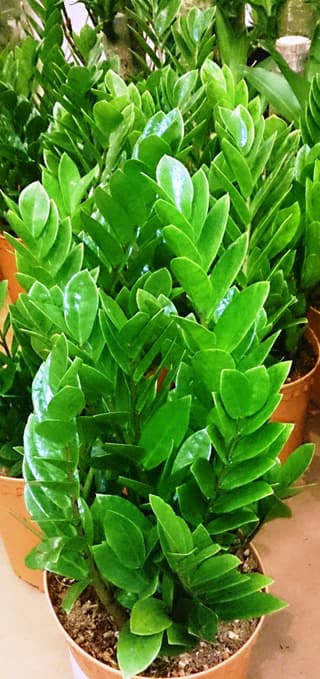
| ZZ Plant | Easy | Low light | 18d | ⚠️ |