Asteraceae
Sulfur Cosmos: Full Sun Plant
Cosmos sulphureus
An easy-to-grow plant that thrives in full sun and well-drained soil. It requires little fertilization and benefits from deadheading spent blooms.
Every 7 days
Direct sun
5° - 35°C
30% - 50%
Categories
What is Sulfur Cosmos?
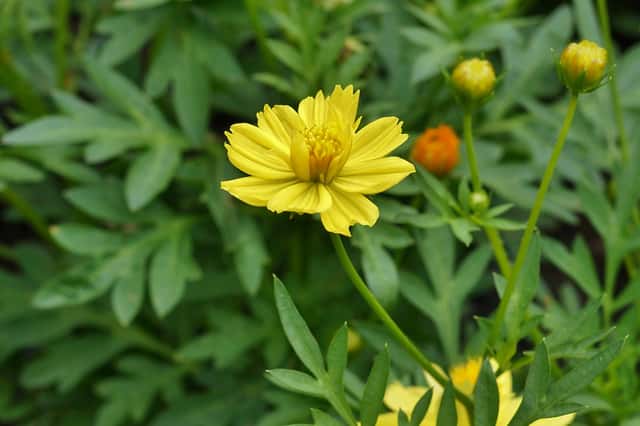
Sulfur Cosmos (Cosmos sulphureus) is a easy-care plant from the Asteraceae family. Cosmos sulphureus is a vibrant annual herbaceous plant native to Mexico and Central America. It is widely appreciated for its radiant flowers in shades of yellow, orange, and scarlet red, which stand out against finely cut, light green foliage. This species is extremely hardy, heat and drought-resis...
Sulfur Cosmos grows up to 90cm, spread of 60cm, watering every 7 days, 5°C – 35°C, 30–50% humidity. It is not suitable for indoor environments and safe for pets.
Unlike many tropical plants, Sulfur Cosmos tolerates watering mistakes. Best for beginners. Unlike many popular species, Sulfur Cosmos is safe to keep around pets.
How to Care for Sulfur Cosmos?
TLDR: Sulfur Cosmos needs Direct sun, watering every 7 days, and temperatures between 5-35°C with 30-50% humidity.
How Often Should You Water Sulfur Cosmos?
Water at the base of the plant to avoid fungal diseases on the leaves. Once established, the plant is quite drought-tolerant.
How Much Light Does Sulfur Cosmos Need?
Requires at least 6 to 8 hours of direct sunlight per day to ensure abundant flowering and prevent stems from becoming weak.
What Is the Best Soil for Sulfur Cosmos?
Prefers poor to moderately fertile soils; soils too rich in nitrogen produce excessive foliage and few flowers.
What Pot Should You Use for Sulfur Cosmos?
Well-draining terracotta pots or direct planting in sunny garden beds.
Care Schedule
Fertilize
Every 35 days
What Is Sulfur Cosmos and Where Does It Come From?
Cosmos sulphureus is a vibrant annual herbaceous plant native to Mexico and Central America. It is widely appreciated for its radiant flowers in shades of yellow, orange, and scarlet red, which stand out against finely cut, light green foliage. This species is extremely hardy, heat and drought-resistant, making it a popular choice for low-maintenance gardens and for attracting pollinators such as butterflies and bees.
How to Propagate Sulfur Cosmos?
Direct Sowing
- Do not over-fertilize the soil before sowing
- Seeds can be started indoors 4 weeks before the last frost
- 1 Soil Preparation
Choose a sunny location and till the soil to keep it light and weed-free.
- 2 Sowing
Press the seeds into the soil about 1 cm deep, maintaining a spacing of 30 cm between them.
- 3 Initial Watering
Keep the soil consistently moist, but not waterlogged, until seedlings emerge.
Materials needed:
How Big Does Sulfur Cosmos Grow?
TLDR: Sulfur Cosmos can reach up to 90cm tall with Fast growth rate.
Max height
90cm
Spread
60cm
Growth rate
Fast
Foliage
Deciduous
Plant Uses
Ornamental
Great for decoration
Culinary Uses
- Edible petals in salads
- Garnish for dishes and desserts
Is your plant showing symptoms?
Click on the symptom to discover possible causes:
What Diseases Commonly Affect Sulfur Cosmos?
TLDR: Sulfur Cosmos is susceptible to 8 known diseases. Monitor regularly for early detection.
Root Rot
Root rot is a serious fungal disease that affects the root system of plants, causing them to decay and die. It is primarily caused by overwatering, poor drainage, or soil-borne fungi such as Pythium, Phytophthora, Rhizoctonia, and Fusarium. The disease thrives in waterlogged conditions where roots are deprived of oxygen, making them susceptible to fungal infection.
Powdery Mildew
Powdery mildew is a common fungal disease caused by various fungi species including Erysiphe, Podosphaera, Oïdium, and Leveillula. It affects over 10,000 plant species worldwide. The disease thrives in warm, dry climates with high humidity and appears as a distinctive white powdery coating on plant surfaces.
Aphids
Aphids are small, soft-bodied, pear-shaped insects (1/16 to 1/8 inch long) that feed by sucking nutrient-rich sap from plants. They reproduce rapidly and can quickly weaken plants, causing distorted growth and transmitting plant viruses. Aphids come in various colors including green, black, red, yellow, brown, and gray. They secrete honeydew, a sticky substance that attracts ants and encourages sooty mold growth.
Spider Mites
Spider mites are tiny arachnids (less than 1/20 inch long) related to spiders and ticks that feed on plant sap. They thrive in hot, dry conditions and can cause significant damage to ornamental and vegetable plants. During severe infestations, crop losses can reach 14% or higher as these pests disrupt vital plant processes including photosynthesis, carbon dioxide absorption, and transpiration.
Meaning & Symbolism
Represents radiant joy, harmony, and peace.
Compare with similar plants
| Attribute | Difficulty | Light | Watering | Pet Safe |
|---|---|---|---|---|
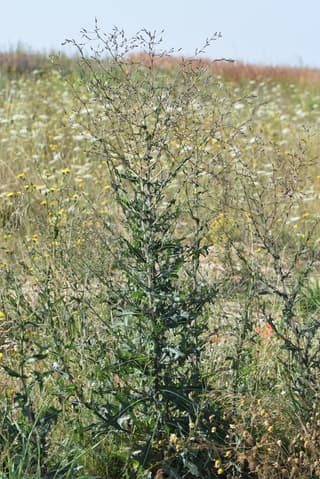
| Wild Lettuce | Medium | Direct sun | 7d | ⚠️ |
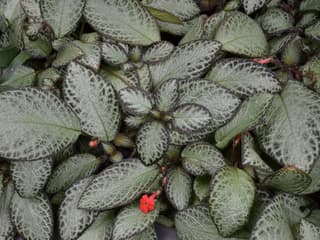
| Flame Violet | Easy | Partial shade | 7d | ✓ |
| Prickly Lettuce | Easy | Direct sun | 7d | ✓ |
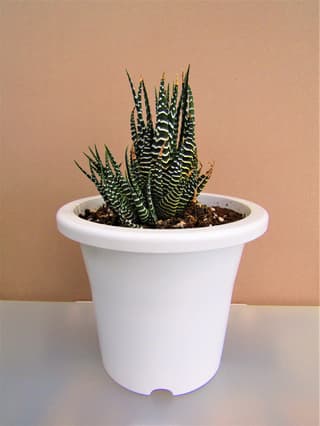
| Christmas Tree Plant | Easy | Bright indirect | 10d | ⚠️ |