Polygonaceae
garden rhubarb: Edible Plant
Rheum rhabarbarum
Grow in full sun and rich, organic soil. Ensure the plant has plenty of space and receives a cold winter chill for optimal stalk production.
Every 7 days
Direct sun
-10° - 30°C
40% - 70%
Categories
What is garden rhubarb?
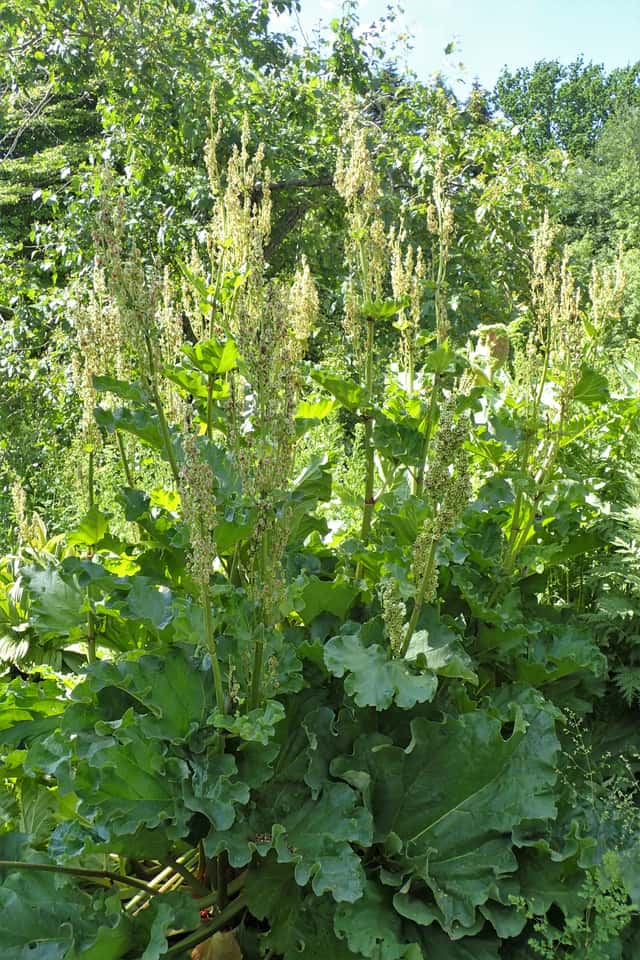
garden rhubarb (Rheum rhabarbarum) is a easy-care plant from the Polygonaceae family. Garden rhubarb is a hardy perennial plant grown for its fleshy, tart edible stalks. It features large, heart-shaped green leaves that are toxic if ingested due to high concentrations of oxalic acid. The plant requires a cold winter dormancy period to produce a successful harvest in the following spr...
garden rhubarb grows up to 1.8m, spread of 120cm, watering every 7 days, -10°C – 30°C, 40–70% humidity. It is not suitable for indoor environments and not safe for pets.
Unlike many tropical plants, garden rhubarb tolerates watering mistakes. Best for beginners. Without precautions, ingestion can cause irritation in pets. Keep out of reach of cats and dogs.
How to Care for garden rhubarb?
TLDR: garden rhubarb needs Direct sun, watering every 7 days, and temperatures between -10-30°C with 40-70% humidity.
How Often Should You Water garden rhubarb?
Provide deep watering once a week, ensuring the soil remains consistently moist during the peak growing season, especially during dry spells.
How Much Light Does garden rhubarb Need?
Thrives in full sun but appreciates some afternoon shade in regions with very hot summers to prevent wilting.
What Is the Best Soil for garden rhubarb?
Incorporate large amounts of compost or well-rotted manure before planting, as rhubarb is a heavy feeder that requires high nutrient levels.
What Pot Should You Use for garden rhubarb?
Not recommended for containers; requires deep, fertile garden soil for its extensive root system.
Care Schedule
Fertilize
Every 30 days
What Is garden rhubarb and Where Does It Come From?
Garden rhubarb is a hardy perennial plant grown for its fleshy, tart edible stalks. It features large, heart-shaped green leaves that are toxic if ingested due to high concentrations of oxalic acid. The plant requires a cold winter dormancy period to produce a successful harvest in the following spring.
How to Propagate garden rhubarb?
Crown Division
- Do not harvest stalks from newly divided plants in their first year.
- Ensure each division has a substantial portion of the root system.
- 1 Lift the Crown
Dig up a mature rhubarb crown (3-4 years old) during early spring while the plant is still dormant.
- 2 Divide the Root
Use a sharp spade or knife to cut the crown into sections, ensuring each piece has at least one large, healthy bud.
- 3 Replant
Plant the sections immediately in soil enriched with compost, keeping the buds just below the soil surface.
Materials needed:
How Big Does garden rhubarb Grow?
TLDR: garden rhubarb can reach up to 1.8m tall with Fast growth rate.
Max height
1.8m
Spread
1.2m
Growth rate
Fast
Foliage
Deciduous
Warning: Toxic Plant
This plant can be toxic if ingested. Keep out of reach of:
Plant Uses
Edible
Can be consumed
Ornamental
Great for decoration
Medicinal Uses
- Digestive aid
- Natural laxative (root extract)
Culinary Uses
- Pies
- Tarts
- Jams
- Compotes
- Sauces
Is your plant showing symptoms?
Click on the symptom to discover possible causes:
What Diseases Commonly Affect garden rhubarb?
TLDR: garden rhubarb is susceptible to 9 known diseases. Monitor regularly for early detection.
Root Rot
Root rot is a serious fungal disease that affects the root system of plants, causing them to decay and die. It is primarily caused by overwatering, poor drainage, or soil-borne fungi such as Pythium, Phytophthora, Rhizoctonia, and Fusarium. The disease thrives in waterlogged conditions where roots are deprived of oxygen, making them susceptible to fungal infection.
Crown Rot
Crown rot is a serious fungal disease that attacks the crown (base) of the plant where the stem meets the soil. It is caused by various fungal pathogens including Phytophthora, Fusarium, and Rhizoctonia. The disease thrives in waterlogged conditions and can quickly spread to kill the entire plant if not addressed promptly.
Gray Mold (Botrytis Blight)
Gray mold, caused by the fungus Botrytis cinerea, is a widespread necrotrophic pathogen affecting over 1,400 plant species. It thrives in cool, humid conditions and attacks weakened or aging plant tissues, causing soft rot and characteristic gray fuzzy growth.
Leaf Spot
Leaf spot is a common fungal disease caused by various pathogens including Alternaria, Ascochyta, Colletotrichum, Septoria, and Venturia. It primarily affects leaves, causing discolored spots that can lead to premature leaf drop if left untreated.
Meaning & Symbolism
Represents endurance, resilience, and the transition from winter to spring.
Compare with similar plants
| Attribute | Difficulty | Light | Watering | Pet Safe |
|---|---|---|---|---|
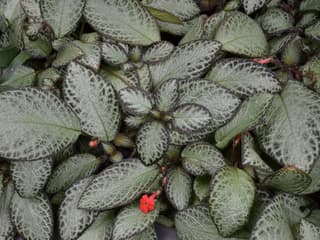
| Flame Violet | Easy | Partial shade | 7d | ✓ |
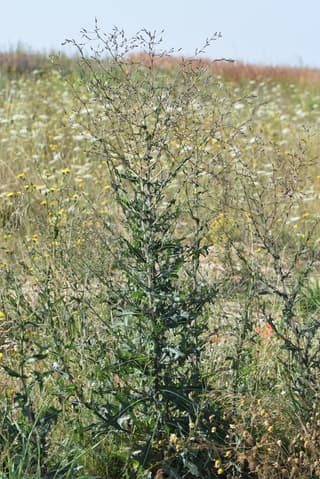
| Prickly Lettuce | Easy | Direct sun | 7d | ✓ |
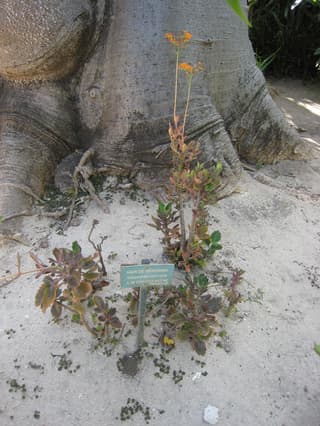
| Christmas Tree Plant | Easy | Bright indirect | 10d | ⚠️ |
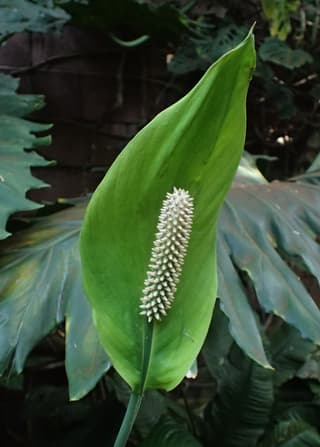
| Peace Lily | Easy | Low light | 7d | ⚠️ |