Plantaginaceae
Showy Hebe (Hebe speciosa): Complete Plant Care Guide
Hebe speciosa
Showy Hebe is an easy-care evergreen shrub that thrives in full sun with well-drained soil. Water every 1–2 weeks during the growing season, reduce in winter. Prune lightly after flowering to maintain shape. It tolerates coastal exposure and atmospheric pollution, making it ideal for seaside gardens.
Every 14 days
Bright indirect
7° - 22°C
50% - 75%
Categories
What is Showy Hebe?
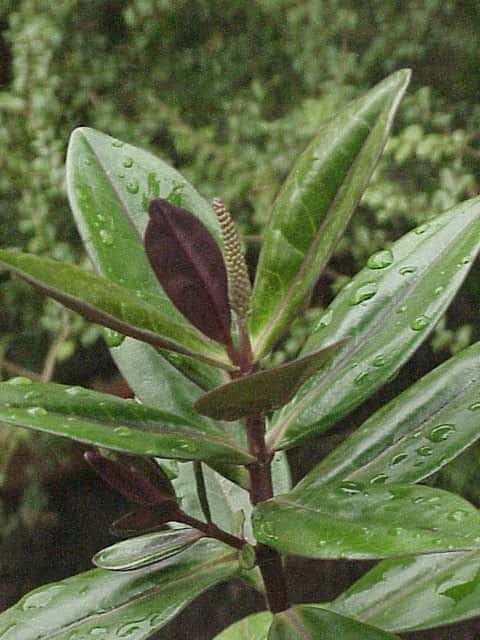
Showy Hebe (Hebe speciosa) is a easy-care plant from the Plantaginaceae family. Hebe speciosa, commonly known as Showy Hebe, is an evergreen shrub native to coastal New Zealand. It produces spectacular spikes of deep pinkish-red to purple flowers in summer and autumn, making it one of the most ornamental of the hebe species. With its glossy dark green foliage and vibrant blooms...
Showy Hebe grows up to 1.5m, with spread of 300cm, watering every 14 days, 7°C – 22°C, 50–75% humidity. It is not suitable for indoor environments and not safe for pets.
Unlike many tropical plants, Showy Hebe tolerates watering mistakes. Best for beginners. Without precautions, ingestion can cause irritation in pets. Keep out of reach of cats and dogs.
How to Care for Showy Hebe?
TLDR: Showy Hebe needs Bright indirect, watering every 14 days, and temperatures between 7-22°C with 50-75% humidity.
How Often Should You Water Showy Hebe?
Water every 10–14 days during summer, allowing the top layer of soil to dry between waterings. Reduce watering in winter to prevent waterlogging, which is this plant's main weakness. Ensure the pot or garden bed has excellent drainage.
How Much Light Does Showy Hebe Need?
Showy Hebe thrives in full sun to partial shade. It flowers most prolifically in full sun. Avoid deep shade, which causes straggly growth and reduced flowering. In very hot climates, afternoon shade can prevent heat stress.
What Is the Best Soil for Showy Hebe?
Plant in well-draining, fertile soil. Sandy loam or amended garden soil works best. Avoid heavy clay that retains water. Mix in compost or organic matter at planting time. Soil pH of 6.0–7.5 is ideal.
What Pot Should You Use for Showy Hebe?
Terracotta or glazed ceramic pots with drainage holes are ideal. Avoid plastic pots that retain too much moisture. For outdoor planting, ensure beds are raised or have excellent drainage.
Care Schedule
Fertilize
Every 90 days
What Is Showy Hebe and Where Does It Come From?
Hebe speciosa, commonly known as Showy Hebe, is an evergreen shrub native to coastal New Zealand. It produces spectacular spikes of deep pinkish-red to purple flowers in summer and autumn, making it one of the most ornamental of the hebe species. With its glossy dark green foliage and vibrant blooms, it is a popular choice for coastal and temperate gardens.
How to Propagate Showy Hebe?
Semi-hardwood Cutting
Use clean, sharp secateurs. Mist cuttings lightly daily. Rooting is faster in bottom heat.
- 1 Take a 10–15 cm semi-hardwood cutting in July or August
- 2 Remove the lower leaves leaving 2–3 pairs at the tip
- 3 Dip the cut end in rooting hormone powder
- 4 Insert into a pot of perlite and moist potting mix
- 5 Keep in a warm, humid spot out of direct sun until roots form
Materials needed:
How Big Does Showy Hebe Grow?
TLDR: Showy Hebe can reach up to 1.5m tall with Medium growth rate.
Max height
1.5m
Spread
3.0m
Growth rate
Medium
Foliage
Evergreen
Warning: Toxic Plant
This plant can be toxic if ingested. Keep out of reach of:
Plant Uses
Ornamental
Great for decoration
Is your plant showing symptoms?
Click on the symptom to discover possible causes:
What Diseases Commonly Affect Showy Hebe?
TLDR: Showy Hebe is susceptible to 6 known diseases. Monitor regularly for early detection.
Root Rot
Root rot is a serious fungal disease that affects the root system of plants, causing them to decay and die. It is primarily caused by overwatering, poor drainage, or soil-borne fungi such as Pythium, Phytophthora, Rhizoctonia, and Fusarium. The disease thrives in waterlogged conditions where roots are deprived of oxygen, making them susceptible to fungal infection.
Phytophthora Root Rot
Disease caused by fungus-like organisms (oomycetes) that live in soil and can survive for years. It affects roots, stem, and crown of plants, being especially severe in waterlogged or poorly drained soils. It is the second most common cause of root rot in trees and shrubs.
Downy Mildew
Downy mildew is a fungal-like disease caused by oomycetes (water molds) that thrives in cool, wet conditions. It affects a wide range of plants, causing yellowing leaves with fuzzy white-gray growth underneath, leading to defoliation and reduced yields if left untreated.
Leaf Spot
Leaf spot is a common fungal disease caused by various pathogens including Alternaria, Ascochyta, Colletotrichum, Septoria, and Venturia. It primarily affects leaves, causing discolored spots that can lead to premature leaf drop if left untreated.
Meaning & Symbolism
Named after Hebe, the Greek goddess of youth and spring, this plant symbolizes vitality, eternal youth, and rejuvenation.
Fun Facts
Hebe speciosa is named after the Greek goddess of youth, Hebe, who was cupbearer to the gods of Olympus
It can tolerate salt-laden coastal winds, making it one of the few flowering shrubs suitable for seaside gardens
Hebe speciosa is listed as a high-risk host for Xylella fastidiosa, a serious plant pathogen under quarantine in Europe
The genus Hebe was formerly classified as Veronica and contains over 90 species, mostly native to New Zealand
Frequently asked questions
How often should I water Showy Hebe?
Is Showy Hebe toxic to pets?
Can Showy Hebe grow indoors?
When does Showy Hebe flower?
How do I prune Showy Hebe?
Compare with similar plants
| Attribute | Difficulty | Light | Watering | Pet Safe |
|---|---|---|---|---|
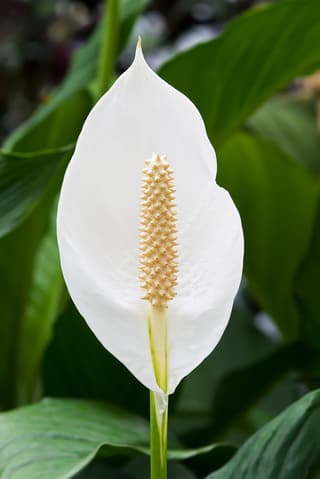
| Peace Lily | Easy | Low light | 4d | ⚠️ |
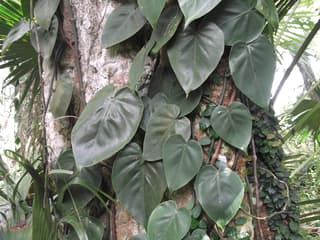
| Swiss Cheese Plant | Easy | Partial shade | 10d | ⚠️ |
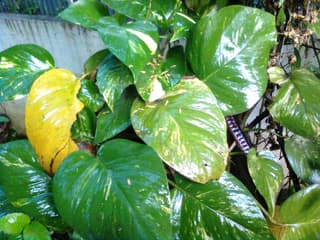
| Golden Pothos | Easy | Low light | 8d | ⚠️ |
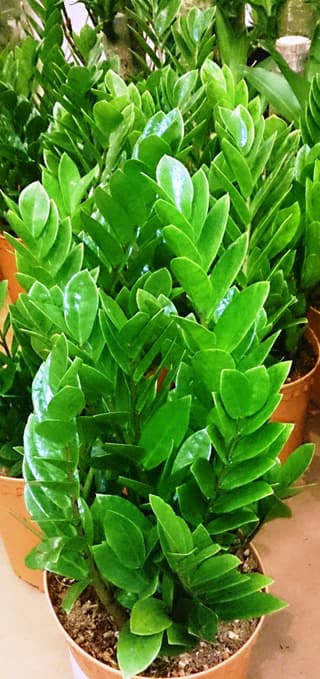
| ZZ Plant | Easy | Low light | 18d | ⚠️ |