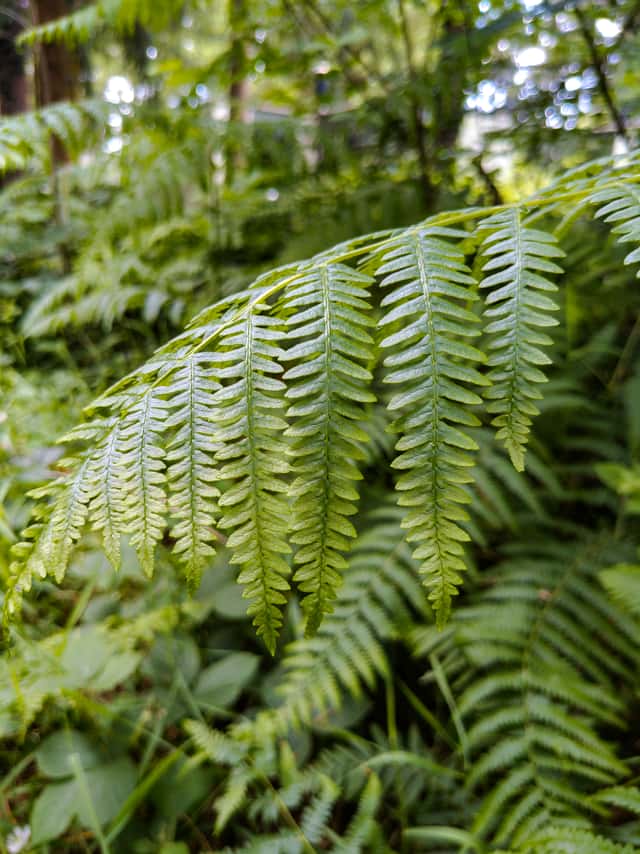
Dennstaedtiaceae
Bracken Fern (Pteridium aquilinum) – Complete Care Guide
Pteridium aquilinum
Bracken Fern is extremely hardy and low-maintenance. It thrives in acidic, well-draining soils with partial to full sun and requires very little watering once established. It is not suited for indoor cultivation and should be monitored to prevent invasive spreading in garden settings.
Every 10 days
Partial shade
-20° - 35°C
40% - 80%
Categories
What is Bracken Fern?
Bracken Fern (Pteridium aquilinum) is a easy-care plant from the Dennstaedtiaceae family. Pteridium aquilinum, commonly known as Bracken Fern or Eagle Fern, is one of the most widespread plants on Earth, found on every continent except Antarctica. This deciduous fern produces large, triangular fronds reaching up to 4 feet tall and spreads aggressively via underground rhizomes. While hist...
Bracken Fern grows up to 1.2m, spread of 150cm, watering every 10 days, -20°C – 35°C, 40–80% humidity. It is not suitable for indoor environments and not safe for pets.
Unlike many tropical plants, Bracken Fern tolerates watering mistakes. Best for beginners. Without precautions, ingestion can cause irritation in pets. Keep out of reach of cats and dogs.
How to Care for Bracken Fern?
TLDR: Bracken Fern needs Partial shade, watering every 10 days, and temperatures between -20-35°C with 40-80% humidity.
How Often Should You Water Bracken Fern?
Water deeply during establishment; once established, bracken fern is drought-tolerant and rarely needs supplemental irrigation except during prolonged dry spells.
How Much Light Does Bracken Fern Need?
Tolerates full sun to partial shade. In hot climates, some afternoon shade helps maintain frond quality. Avoid deep shade which weakens the plant.
What Is the Best Soil for Bracken Fern?
Prefers acidic soil (pH 4.0–6.0). Tolerates sandy, loamy, or clay soil as long as drainage is adequate. Avoid waterlogged conditions.
What Pot Should You Use for Bracken Fern?
Not typically grown in pots due to its spreading rhizome habit. If containerized, use a very large, deep container with acidic, well-draining mix.
What Is Bracken Fern and Where Does It Come From?
Pteridium aquilinum, commonly known as Bracken Fern or Eagle Fern, is one of the most widespread plants on Earth, found on every continent except Antarctica. This deciduous fern produces large, triangular fronds reaching up to 4 feet tall and spreads aggressively via underground rhizomes. While historically used for medicinal and practical purposes, it is carcinogenic if consumed regularly and toxic to livestock.
How to Propagate Bracken Fern?
Rhizome Division
Division is the most reliable method. Wear gloves as sap can irritate skin. The plant spreads so aggressively that propagation is rarely necessary.
- 1 Dig up a section of rhizome during dormancy in autumn or early spring
- 2 Divide into segments each at least 15 cm long with at least one growing tip
- 3 Replant segments horizontally 5-10 cm deep in moist, acidic soil
- 4 Water in well and keep moist until new fronds emerge
Materials needed:
How Big Does Bracken Fern Grow?
TLDR: Bracken Fern can reach up to 1.2m tall with Fast growth rate.
Max height
1.2m
Spread
1.5m
Growth rate
Fast
Foliage
Deciduous
Warning: Toxic Plant
This plant can be toxic if ingested. Keep out of reach of:
Plant Uses
Medicinal
Medicinal properties
Ground Cover
Soil coverage
Medicinal Uses
- Root tea used traditionally for stomach cramps, chest pain, and diarrhea
- Young shoots historically used as diuretic and vermifuge
- Poultice applied to sores and burns in folk medicine
Culinary Uses
- Young fiddleheads eaten cooked (must be thoroughly cooked — raw consumption is carcinogenic)
- Dried root starch used in traditional dumplings and bread
Is your plant showing symptoms?
Click on the symptom to discover possible causes:
What Diseases Commonly Affect Bracken Fern?
TLDR: Bracken Fern is susceptible to 5 known diseases. Monitor regularly for early detection.
Root Rot
Root rot is a serious fungal disease that affects the root system of plants, causing them to decay and die. It is primarily caused by overwatering, poor drainage, or soil-borne fungi such as Pythium, Phytophthora, Rhizoctonia, and Fusarium. The disease thrives in waterlogged conditions where roots are deprived of oxygen, making them susceptible to fungal infection.
Rust
Rust is a common fungal disease caused by fungi in the order Pucciniales that affects a wide variety of plants. The disease gets its name from the characteristic orange, yellow, or reddish-brown pustules that appear on leaves, resembling metal rust. This obligate fungal parasite requires living plants to survive and can cause significant economic losses in agricultural crops.
Fusarium Wilt
Fusarium wilt is a serious fungal disease caused by the soil-borne fungus Fusarium oxysporum. The fungus invades roots and blocks the water-conducting vessels (xylem) of the plant, causing progressive wilting and eventual death. Host-specific forms of the pathogen exist that attack different plant species.
Anthracnose
Anthracnose is a fungal disease caused by fungi in the genus Colletotrichum that affects many plants, including vegetables, fruits, and trees. The disease thrives in cool, wet conditions, causing dark, sunken lesions on leaves, stems, flowers, and fruits.
Meaning & Symbolism
Resilience and the untamed wild. Bracken fern has colonized every continent, symbolizing nature's persistence and the enduring power of wild spaces.
Fun Facts
One of the most widespread plants on Earth — found on every continent except Antarctica
Its underground rhizomes can extend up to 6 meters horizontally, making it one of the most invasive ferns
Bracken fern contains ptaquiloside, a potent carcinogen linked to cattle and equine diseases worldwide
Despite its toxicity, bracken has been used by humans for thousands of years — as thatch, bedding, compost, and even food in times of famine
Frequently asked questions
Is Bracken Fern toxic to pets?
Can I eat Bracken Fern fiddleheads?
How do I stop Bracken Fern from spreading?
Can Bracken Fern grow indoors?
Compare with similar plants
| Attribute | Difficulty | Light | Watering | Pet Safe |
|---|---|---|---|---|
| Field Maple | Easy | Bright indirect | 14d | ✓ |
| Silver Birch | Easy | Direct sun | 14d | ✓ |
| Cushion Bush | Easy | Direct sun | 14d | ✓ |
| Peruvian peppertree | Easy | Direct sun | 14d | ⚠️ |





