Polypodiaceae
Giant Staghorn Fern (Platycerium superbum): Complete Care Guide
Platycerium superbum
Grow in bright indirect light, maintain 50-80% humidity, and water by soaking the mount every 5 days. Avoid direct sun and waterlogging. Growth is very slow — patience required.
Every 5 days
Partial shade
4° - 35°C
50% - 80%
Categories
What is Giant Staghorn Fern?
Giant Staghorn Fern (Platycerium superbum) is a hard-care plant from the Polypodiaceae family. Platycerium superbum, the Giant Staghorn Fern, is a majestic epiphytic fern native to subtropical and tropical eastern Australia. It grows anchored to tree trunks and rocks, producing spectacular antler-shaped fertile fronds up to 2 meters long and circular shield fronds reaching 1 meter across. It...
Giant Staghorn Fern grows up to 2.0m, spread of 240cm, watering every 5 days, 4°C – 35°C, 50–80% humidity. It is suitable for indoor environments and safe for pets.
Unlike easy-care plants, Giant Staghorn Fern demands constant attention to humidity and light. Not recommended for beginners. Unlike many popular species, Giant Staghorn Fern is safe to keep around pets. Without adequate drainage, root rot can develop within 10 days.
How to Care for Giant Staghorn Fern?
TLDR: Giant Staghorn Fern needs Partial shade, watering every 5 days, and temperatures between 4-35°C with 50-80% humidity.
How Often Should You Water Giant Staghorn Fern?
Soak the mount or basket in water for 15-30 minutes every 5 days or when the substrate feels dry. In summer, watering every 2-3 days may be needed; in winter, weekly. Use rainwater or filtered water whenever possible.
How Much Light Does Giant Staghorn Fern Need?
Thrives in bright indirect or filtered light, mimicking its rainforest understory habitat. Avoid harsh direct sunlight which scorches fronds. Best placed near east or north-facing windows indoors, or under tree canopy outdoors.
What Is the Best Soil for Giant Staghorn Fern?
As an epiphyte, it does not grow in conventional soil. Use lightweight, well-draining substrate: sphagnum moss, orchid bark, or coconut coir, mounted on hardwood boards, tree trunks, or hanging baskets.
What Pot Should You Use for Giant Staghorn Fern?
Hardwood mounting boards (oak, cedar), tree trunks, hanging baskets with epiphytic substrate. Avoid conventional pots with garden soil.
Care Schedule
Fertilize
Every 30 days
Misting
Every 3 days
What Is Giant Staghorn Fern and Where Does It Come From?
Platycerium superbum, the Giant Staghorn Fern, is a majestic epiphytic fern native to subtropical and tropical eastern Australia. It grows anchored to tree trunks and rocks, producing spectacular antler-shaped fertile fronds up to 2 meters long and circular shield fronds reaching 1 meter across. It is one of the largest and most impressive ferns in the world.
How to Propagate Giant Staghorn Fern?
Spore Propagation
Platycerium superbum can ONLY be propagated by spores — it does not produce pups like other staghorn species. The process takes 1-2 years to yield an established plant. Maintain high humidity throughout.
- 1 Collect mature spores from the fertile frond when they appear golden-brown
- 2 Sow on sterile moist substrate (peat or sphagnum moss) in a sealed container
- 3 Keep in a humid environment with indirect light at 20-25°C (68-77°F)
- 4 Wait for the prothallus (flat green structure) to appear in 1-3 months
- 5 Once first fronds develop, carefully transplant the young fern
Materials needed:
How Big Does Giant Staghorn Fern Grow?
TLDR: Giant Staghorn Fern can reach up to 2.0m tall with Slow growth rate.
Max height
2.0m
Spread
2.4m
Growth rate
Slow
Foliage
Evergreen
Plant Uses
Ornamental
Great for decoration
Is your plant showing symptoms?
Click on the symptom to discover possible causes:
What Diseases Commonly Affect Giant Staghorn Fern?
TLDR: Giant Staghorn Fern is susceptible to 8 known diseases. Monitor regularly for early detection.
Root Rot
Root rot is a serious fungal disease that affects the root system of plants, causing them to decay and die. It is primarily caused by overwatering, poor drainage, or soil-borne fungi such as Pythium, Phytophthora, Rhizoctonia, and Fusarium. The disease thrives in waterlogged conditions where roots are deprived of oxygen, making them susceptible to fungal infection.
Overwatering
Overwatering occurs when plants receive too much water, depriving roots of oxygen and causing root rot. This environmental stress is one of the most common causes of houseplant death, as waterlogged soil prevents roots from breathing and functioning properly.
Scale Insects
Scale insects are small sap-sucking pests that appear as brown, shell-like bumps on plant stems and leaves. There are over 25 species, divided into armored (hard) and unarmored (soft) scales. They feed by piercing plant tissue and extracting sap, which weakens the plant and can lead to yellowing, stunted growth, and even death if left untreated. They also excrete honeydew, which attracts ants and promotes sooty mold growth.
Mealybugs
Mealybugs are small, soft-bodied insects covered with a white, waxy, cottony material. They are common pests of houseplants and outdoor plants in mild climates. These sap-sucking insects feed on plant tissue, causing damage, stunted growth, and can lead to plant death if left untreated. They produce sticky honeydew which attracts sooty mold.
Meaning & Symbolism
Symbol of resilience and majesty, evoking the wild beauty of the Australian rainforest.
Fun Facts
It can take 5 to 10 years to develop impressive fertile fronds from spores
In nature, fertile fronds can reach up to 2 meters in length and the plant can live for decades
The shield fronds collect rainwater, fallen leaves, and nutrients to feed the plant
It is one of the few ferns that can only be propagated by spores — it never produces offshoots
Frequently asked questions
How often should I water my Giant Staghorn Fern?
Can Platycerium superbum grow in a regular pot?
Can I propagate Giant Staghorn Fern by division?
Is Platycerium superbum toxic to pets?
Why are my Staghorn Fern fronds turning brown?
Compare with similar plants
| Attribute | Difficulty | Light | Watering | Pet Safe |
|---|---|---|---|---|
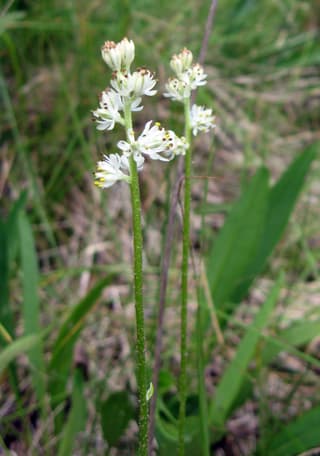
| Sticky false asphodel | Hard | Bright indirect | 1d | ✓ |
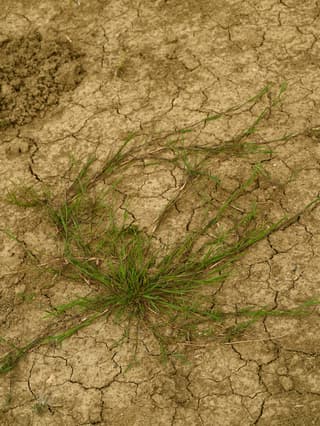
| Creeping bentgrass | Hard | Direct sun | 3d | ✓ |
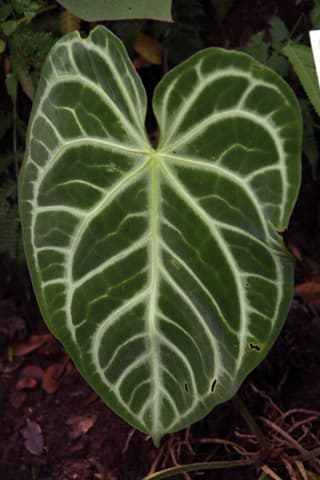
| Crystal Anthurium | Hard | Partial shade | 7d | ⚠️ |
| Saguaro | Hard | Direct sun | 21d | ✓ |