Pteridaceae
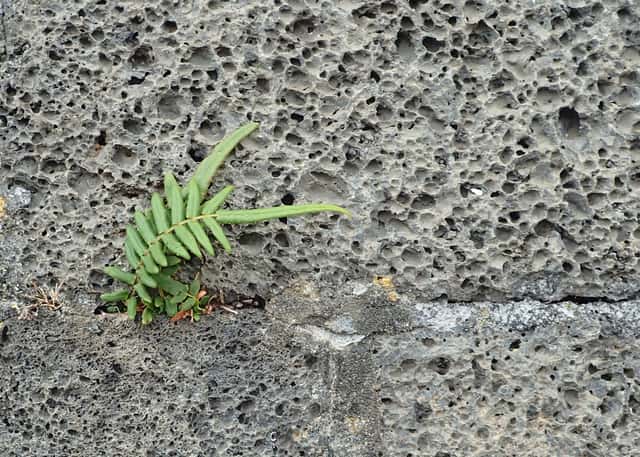
Chinese Brake Fern (Pteris vittata)
Pteris vittata
An easy-care fern that thrives in indirect light and consistent moisture. Prefers high humidity and well-draining soil. Tolerant of a range of conditions — one of the most adaptable ferns available.
Every 7 days
Partial shade
5° - 35°C
50% - 80%
Categories
What is Chinese Brake Fern?
Chinese Brake Fern (Pteris vittata) is a easy-care plant from the Pteridaceae family. Pteris vittata, commonly known as the Chinese Brake Fern, is a resilient fern native to tropical and subtropical regions across Asia, Africa, and Europe. It produces graceful, arching fronds with narrow pinnae arranged ladder-like along the midrib. This fern holds a remarkable distinction in the pla...
Chinese Brake Fern grows up to 90cm, spread of 90cm, watering every 7 days, 5°C – 35°C, 50–80% humidity. It is suitable for indoor environments and safe for pets.
Unlike many tropical plants, Chinese Brake Fern tolerates watering mistakes. Best for beginners. Unlike many popular species, Chinese Brake Fern is safe to keep around pets. Without adequate drainage, root rot can develop within 14 days.
How to Care for Chinese Brake Fern?
TLDR: Chinese Brake Fern needs Partial shade, watering every 7 days, and temperatures between 5-35°C with 50-80% humidity.
How Often Should You Water Chinese Brake Fern?
Water every 7 days, keeping the soil evenly moist but never waterlogged. Allow the top third of soil to dry slightly between waterings. Reduce frequency in autumn and winter.
How Much Light Does Chinese Brake Fern Need?
Bright, indirect light is ideal. Tolerates low light better than most ferns. Avoid direct afternoon sun which can scorch fronds.
What Is the Best Soil for Chinese Brake Fern?
Use a well-draining mix of loamy soil, sand, and peat or coco coir. Slightly acidic to neutral pH (5.5–7.5). Ensure the pot has drainage holes.
What Pot Should You Use for Chinese Brake Fern?
A terracotta or ceramic pot with drainage holes works well. These materials help regulate moisture and prevent root rot.
Care Schedule
Fertilize
Every 90 days
Misting
Every 3 days
Repot
Every 365 days
What Is Chinese Brake Fern and Where Does It Come From?
Pteris vittata, commonly known as the Chinese Brake Fern, is a resilient fern native to tropical and subtropical regions across Asia, Africa, and Europe. It produces graceful, arching fronds with narrow pinnae arranged ladder-like along the midrib. This fern holds a remarkable distinction in the plant world: it is the first naturally discovered arsenic hyperaccumulator, capable of drawing up to 22,630 mg of arsenic per kilogram of shoot dry weight from contaminated soil — making it a celebrated tool in phytoremediation projects worldwide.
How to Propagate Chinese Brake Fern?
Spore propagation
Use a pH-neutral substrate and maintain warmth around 25°C for best germination. Keep soil consistently moist but not waterlogged.
- 1 Collect mature spores from the underside of fronds when sori turn brown
- 2 Sow spores on moist, sterile substrate in a sealed container
- 3 Maintain humidity and indirect light at around 25°C
- 4 Prick out young plants when large enough to handle
Materials needed:
How Big Does Chinese Brake Fern Grow?
TLDR: Chinese Brake Fern can reach up to 90cm tall with Medium growth rate.
Max height
90cm
Spread
90cm
Growth rate
Medium
Foliage
Evergreen
Plant Uses
Ornamental
Great for decoration
Is your plant showing symptoms?
Click on the symptom to discover possible causes:
What Diseases Commonly Affect Chinese Brake Fern?
TLDR: Chinese Brake Fern is susceptible to 9 known diseases. Monitor regularly for early detection.
Root Rot
Root rot is a serious fungal disease that affects the root system of plants, causing them to decay and die. It is primarily caused by overwatering, poor drainage, or soil-borne fungi such as Pythium, Phytophthora, Rhizoctonia, and Fusarium. The disease thrives in waterlogged conditions where roots are deprived of oxygen, making them susceptible to fungal infection.
Overwatering
Overwatering occurs when plants receive too much water, depriving roots of oxygen and causing root rot. This environmental stress is one of the most common causes of houseplant death, as waterlogged soil prevents roots from breathing and functioning properly.
Aphids
Aphids are small, soft-bodied, pear-shaped insects (1/16 to 1/8 inch long) that feed by sucking nutrient-rich sap from plants. They reproduce rapidly and can quickly weaken plants, causing distorted growth and transmitting plant viruses. Aphids come in various colors including green, black, red, yellow, brown, and gray. They secrete honeydew, a sticky substance that attracts ants and encourages sooty mold growth.
Mealybugs
Mealybugs are small, soft-bodied insects covered with a white, waxy, cottony material. They are common pests of houseplants and outdoor plants in mild climates. These sap-sucking insects feed on plant tissue, causing damage, stunted growth, and can lead to plant death if left untreated. They produce sticky honeydew which attracts sooty mold.
Meaning & Symbolism
A symbol of resilience and environmental healing — celebrated for its extraordinary ability to cleanse arsenic-contaminated soils.
Fun Facts
It is the first plant ever discovered to naturally hyperaccumulate arsenic, identified by researchers in 2001.
A single plant can accumulate up to 22,630 mg of arsenic per kilogram of frond dry weight.
Despite thriving in arsenic-rich soils that would kill most plants, Pteris vittata shows no visible stress symptoms.
It grows in limestone outcrops, old walls, and roadside cuts across tropical Asia, Africa, and southern Europe.
Frequently asked questions
How often should I water the Chinese Brake Fern?
Does the Chinese Brake Fern tolerate low light?
Is Pteris vittata toxic to pets?
What is phytoremediation?
How do I propagate Chinese Brake Fern?
Compare with similar plants
| Attribute | Difficulty | Light | Watering | Pet Safe |
|---|---|---|---|---|
| Field Maple | Easy | Bright indirect | 14d | ✓ |
| Silver Birch | Easy | Direct sun | 14d | ✓ |
| Cushion Bush | Easy | Direct sun | 14d | ✓ |
| Peruvian peppertree | Easy | Direct sun | 14d | ⚠️ |





