Nephrolepidaceae
Kimberley Queen Fern (Nephrolepis obliterata): Complete Care Guide
Nephrolepis obliterata
An easy-to-grow fern, perfect for beginners. Prefers bright indirect light and consistently moist (but not soggy) soil. Water weekly and maintain high humidity by misting regularly or using a pebble tray with water. Repot every 2 years in spring.
Every 7 days
Partial shade
15° - 27°C
50% - 80%
Categories
What is Kimberley Queen Fern?
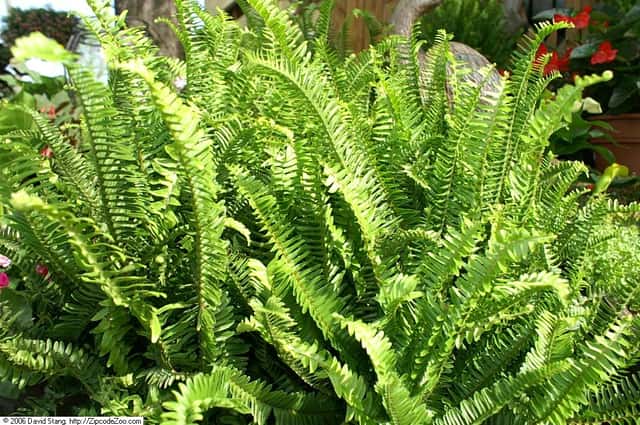
Kimberley Queen Fern (Nephrolepis obliterata) is a easy-care plant from the Nephrolepidaceae family. Nephrolepis obliterata, commonly known as the Kimberley Queen Fern or Australian Sword Fern, is a robust fern native to northern Australia and the Pacific Islands. Unlike most ferns, it produces stiff, upright fronds that form a compact, elegant clump. It is notably more tolerant of low humidity tha...
Kimberley Queen Fern grows up to 90cm, spread of 120cm, watering every 7 days, 15°C – 27°C, 50–80% humidity. It is suitable for indoor environments and safe for pets.
Unlike many tropical plants, Kimberley Queen Fern tolerates watering mistakes. Best for beginners. Unlike many popular species, Kimberley Queen Fern is safe to keep around pets. Without adequate drainage, root rot can develop within 14 days.
How to Care for Kimberley Queen Fern?
TLDR: Kimberley Queen Fern needs Partial shade, watering every 7 days, and temperatures between 15-27°C with 50-80% humidity.
How Often Should You Water Kimberley Queen Fern?
Water weekly when the top inch of soil feels dry. Avoid waterlogging to prevent root rot. In hot or dry conditions, you may need to water more frequently. Always ensure the pot has adequate drainage.
How Much Light Does Kimberley Queen Fern Need?
Place in bright, indirect light — a north or east-facing window is ideal indoors. Avoid direct sunlight which can scorch the delicate fronds. It tolerates lower light but growth will slow.
What Is the Best Soil for Kimberley Queen Fern?
Use a well-draining potting mix rich in organic matter, such as a blend of peat moss and perlite. Ideal pH is 5.5-6.5. Avoid heavy soils that retain excessive moisture.
What Pot Should You Use for Kimberley Queen Fern?
Terracotta or ceramic pots with drainage holes are ideal, as they allow better root aeration. Avoid plastic pots without drainage.
Care Schedule
Fertilize
Every 30 days
Misting
Every 3 days
Repot
Every 730 days
What Is Kimberley Queen Fern and Where Does It Come From?
Nephrolepis obliterata, commonly known as the Kimberley Queen Fern or Australian Sword Fern, is a robust fern native to northern Australia and the Pacific Islands. Unlike most ferns, it produces stiff, upright fronds that form a compact, elegant clump. It is notably more tolerant of low humidity than the Boston Fern, making it an excellent choice for indoor environments.
How to Propagate Kimberley Queen Fern?
Crown Division
Divide in spring during active growth for best results. Use sterilized tools to minimize disease risk.
- 1 Carefully remove the plant from its pot
- 2 Gently separate the root ball into smaller sections, ensuring each section has healthy fronds and roots
- 3 Plant each division in an individual pot with fresh, well-draining potting mix
- 4 Keep the soil lightly moist and place in bright indirect light until established
Materials needed:
How Big Does Kimberley Queen Fern Grow?
TLDR: Kimberley Queen Fern can reach up to 90cm tall with Fast growth rate.
Max height
90cm
Spread
1.2m
Growth rate
Fast
Foliage
Evergreen
Plant Uses
Ornamental
Great for decoration
Air Purifying
Improves air quality
Is your plant showing symptoms?
Click on the symptom to discover possible causes:
What Diseases Commonly Affect Kimberley Queen Fern?
TLDR: Kimberley Queen Fern is susceptible to 7 known diseases. Monitor regularly for early detection.
Root Rot
Root rot is a serious fungal disease that affects the root system of plants, causing them to decay and die. It is primarily caused by overwatering, poor drainage, or soil-borne fungi such as Pythium, Phytophthora, Rhizoctonia, and Fusarium. The disease thrives in waterlogged conditions where roots are deprived of oxygen, making them susceptible to fungal infection.
Leaf Spot
Leaf spot is a common fungal disease caused by various pathogens including Alternaria, Ascochyta, Colletotrichum, Septoria, and Venturia. It primarily affects leaves, causing discolored spots that can lead to premature leaf drop if left untreated.
Spider Mites
Spider mites are tiny arachnids (less than 1/20 inch long) related to spiders and ticks that feed on plant sap. They thrive in hot, dry conditions and can cause significant damage to ornamental and vegetable plants. During severe infestations, crop losses can reach 14% or higher as these pests disrupt vital plant processes including photosynthesis, carbon dioxide absorption, and transpiration.
Mealybugs
Mealybugs are small, soft-bodied insects covered with a white, waxy, cottony material. They are common pests of houseplants and outdoor plants in mild climates. These sap-sucking insects feed on plant tissue, causing damage, stunted growth, and can lead to plant death if left untreated. They produce sticky honeydew which attracts sooty mold.
Fun Facts
One of the few ferns that tolerates lower indoor humidity levels, making it more adaptable than the classic Boston Fern.
Native to northern Australia and Pacific Islands, it thrives naturally in warm, tropical climates.
Its stiff, upright fronds set it apart from most arching, drooping fern varieties.
Proven by NASA studies to be effective at removing indoor air pollutants such as formaldehyde and xylene.
Frequently asked questions
How often should I water my Kimberley Queen Fern?
Is the Kimberley Queen Fern toxic to pets?
What light does a Kimberley Queen Fern need?
How do I increase humidity for my fern?
When should I repot my Kimberley Queen Fern?
Compare with similar plants
| Attribute | Difficulty | Light | Watering | Pet Safe |
|---|---|---|---|---|
| Field Maple | Easy | Bright indirect | 14d | ✓ |
| Silver Birch | Easy | Direct sun | 14d | ✓ |
| Cushion Bush | Easy | Direct sun | 14d | ✓ |
| Peruvian peppertree | Easy | Direct sun | 14d | ⚠️ |