Dryopteridaceae
Wood Fern: Best for Low Light
Dryopteris
Requires consistently moist soil rich in organic matter, as well as protection from direct sunlight and strong winds to prevent the fronds from drying out.
Every 7 days
Low light
13° - 24°C
40% - 70%
Categories
What is Wood Fern?
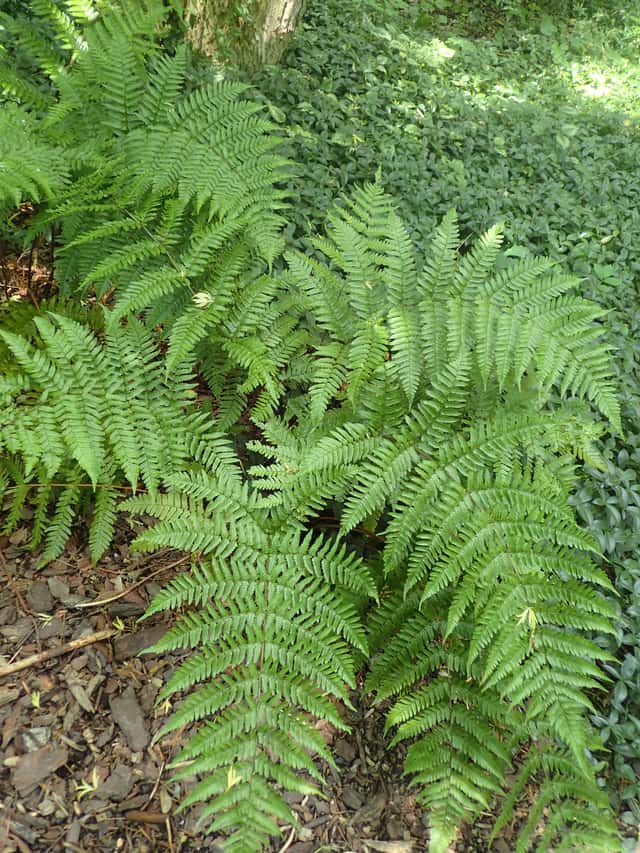
Wood Fern (Dryopteris) is a easy-care plant from the Dryopteridaceae family. Dryopteris is a genus of robust and elegant ferns, commonly known as wood ferns. They are characterized by their bipinnate fronds that grow in a crown-like formation, providing a lush and architectural look. Native to temperate and tropical regions, they are perfect for shade gardens or as indoor pl...
Wood Fern grows up to 1.2m, with spread of 120cm, watering every 7 days, 13°C – 24°C, 40–70% humidity. It is suitable for indoor environments and safe for pets.
Unlike many tropical plants, Wood Fern tolerates watering mistakes. Best for beginners. Unlike many popular species, Wood Fern is safe to keep around pets. Without adequate drainage, root rot can develop within 14 days.
How to Care for Wood Fern?
TLDR: Wood Fern needs Low light, watering every 7 days, and temperatures between 13-24°C with 40-70% humidity.
How Often Should You Water Wood Fern?
Keep the substrate always slightly moist to the touch. Never allow the soil to dry out completely between waterings.
How Much Light Does Wood Fern Need?
Place in locations with bright indirect light or filtered shade. Direct sunlight can quickly burn the delicate fronds.
What Is the Best Soil for Wood Fern?
Use a mixture of potting soil, peat moss, and a bit of sand to ensure moisture retention without waterlogging the roots.
What Pot Should You Use for Wood Fern?
Plastic or glazed ceramic pots that help retain substrate moisture for longer periods.
Care Schedule
Fertilize
Every 35 days
Misting
Every 3 days
Repot
Every 730 days
What Is Wood Fern and Where Does It Come From?
Dryopteris is a genus of robust and elegant ferns, commonly known as wood ferns. They are characterized by their bipinnate fronds that grow in a crown-like formation, providing a lush and architectural look. Native to temperate and tropical regions, they are perfect for shade gardens or as indoor plants in high-humidity environments.
How to Propagate Wood Fern?
Clump Division
- Keep the new divisions in a shaded spot until new growth is noticed
- Do not bury the rhizome too deeply
- 1 Removal
Carefully remove the plant from the pot or the ground, preserving as many roots as possible.
- 2 Rhizome Division
Cut the rhizome into smaller sections using a sterilized knife, ensuring each part has at least two fronds and healthy roots.
- 3 Replanting
Plant the divisions in new pots with substrate rich in organic matter and water thoroughly.
Materials needed:
Spore Propagation
- Substrate sterilization is crucial to avoid fungal growth
- Be patient, as the prothallus development process is slow
- 1 Collection
Collect the brown spores from the underside of mature fronds by placing them on a clean sheet of paper.
- 2 Sowing
Sow the spores over a layer of sterile, moist substrate in a transparent container.
- 3 Incubation
Seal the container to maintain 100% humidity and place it in a bright location without direct sunlight.
Materials needed:
How Big Does Wood Fern Grow?
TLDR: Wood Fern can reach up to 1.2m tall with Medium growth rate.
Max height
1.2m
Spread
1.2m
Growth rate
Medium
Foliage
Deciduous
Plant Uses
Ornamental
Great for decoration
Medicinal Uses
- Historically used to treat intestinal parasites, but requires strict medical supervision due to toxicity
Is your plant showing symptoms?
Click on the symptom to discover possible causes:
What Diseases Commonly Affect Wood Fern?
TLDR: Wood Fern is susceptible to 9 known diseases. Monitor regularly for early detection.
Root Rot
Root rot is a serious fungal disease that affects the root system of plants, causing them to decay and die. It is primarily caused by overwatering, poor drainage, or soil-borne fungi such as Pythium, Phytophthora, Rhizoctonia, and Fusarium. The disease thrives in waterlogged conditions where roots are deprived of oxygen, making them susceptible to fungal infection.
Rust
Rust is a common fungal disease caused by fungi in the order Pucciniales that affects a wide variety of plants. The disease gets its name from the characteristic orange, yellow, or reddish-brown pustules that appear on leaves, resembling metal rust. This obligate fungal parasite requires living plants to survive and can cause significant economic losses in agricultural crops.
Leaf Spot
Leaf spot is a common fungal disease caused by various pathogens including Alternaria, Ascochyta, Colletotrichum, Septoria, and Venturia. It primarily affects leaves, causing discolored spots that can lead to premature leaf drop if left untreated.
Mealybugs
Mealybugs are small, soft-bodied insects covered with a white, waxy, cottony material. They are common pests of houseplants and outdoor plants in mild climates. These sap-sucking insects feed on plant tissue, causing damage, stunted growth, and can lead to plant death if left untreated. They produce sticky honeydew which attracts sooty mold.
Meaning & Symbolism
Represents sincerity, shelter, protection, and the constant renewal of life.
Compare with similar plants
| Attribute | Difficulty | Light | Watering | Pet Safe |
|---|---|---|---|---|
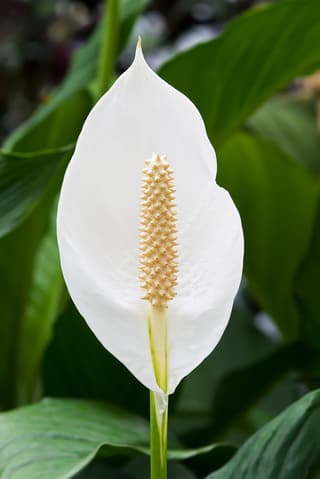
| Peace Lily | Easy | Low light | 4d | ⚠️ |
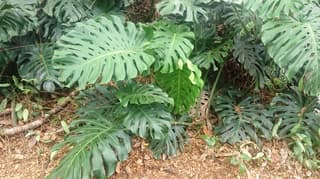
| Swiss Cheese Plant | Easy | Partial shade | 10d | ⚠️ |
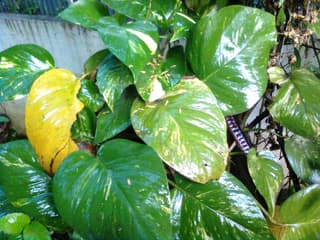
| Golden Pothos | Easy | Low light | 8d | ⚠️ |
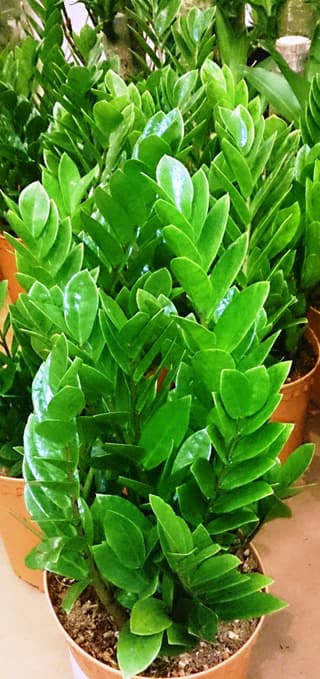
| ZZ Plant | Easy | Low light | 18d | ⚠️ |