Asphodelaceae
Daylily (Hemerocallis)
Hemerocallis
Low-maintenance perennial: thrives in full sun with weekly watering and well-draining soil. Drought-tolerant once established. Needs minimal fertilizing and division every 3-5 years to maintain vigor.
Every 7 days
Bright indirect
-30° - 38°C
40% - 70%
Categories
What is Daylily?
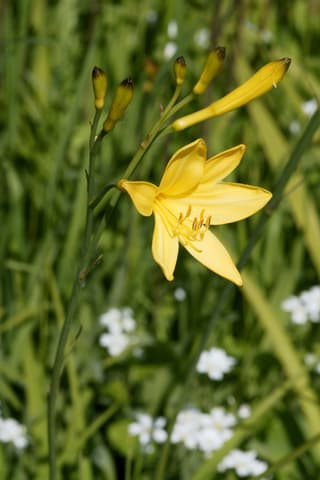
Daylily (Hemerocallis) is a easy-care plant from the Asphodelaceae family. Daylily (Hemerocallis) is a herbaceous perennial native to Asia, celebrated for its vibrant, trumpet-shaped flowers — each lasting just one day. With over 80,000 registered cultivars spanning yellow, orange, red, pink, purple, and white, daylilies bloom from late spring through fall and are among th...
Daylily grows up to 1.2m, with spread of 60cm, watering every 7 days, -30°C – 38°C, 40–70% humidity. It is not suitable for indoor environments and not safe for pets.
Unlike many tropical plants, Daylily tolerates watering mistakes. Best for beginners. Without precautions, ingestion can cause irritation in pets. Keep out of reach of cats and dogs.
How to Care for Daylily?
TLDR: Daylily needs Bright indirect, watering every 7 days, and temperatures between -30-38°C with 40-70% humidity.
How Often Should You Water Daylily?
Water deeply once a week, providing about 1 inch of water. Allow the top few inches of soil to dry slightly between waterings. In hot climates, water twice weekly during peak bloom for best flower production.
How Much Light Does Daylily Need?
Prefers full sun with at least 6 hours of direct light daily. Tolerates partial shade, especially in hot climates where afternoon shade protects deeper-colored blooms. More sun means more flowers.
What Is the Best Soil for Daylily?
Plant in well-draining soil enriched with organic matter. Tolerates clay, chalk, and loam soils but avoid waterlogged conditions which promote crown rot. Ideal pH 6.0-7.5.
What Pot Should You Use for Daylily?
Wide terracotta or plastic pot with adequate drainage holes. Direct in-ground planting is preferred for outdoor cultivation.
Care Schedule
Fertilize
Every 30 days
What Is Daylily and Where Does It Come From?
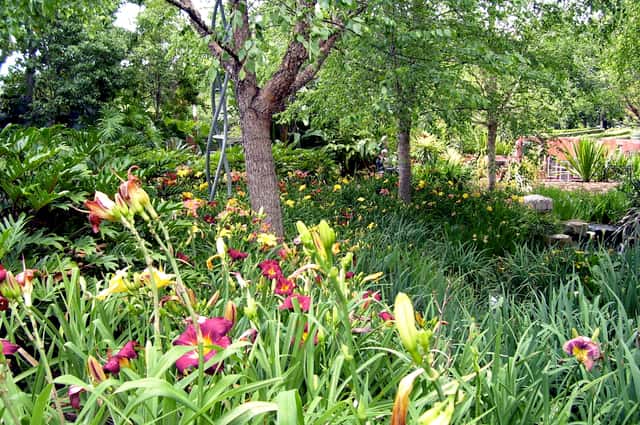
Daylily (Hemerocallis) is a herbaceous perennial native to Asia, celebrated for its vibrant, trumpet-shaped flowers — each lasting just one day. With over 80,000 registered cultivars spanning yellow, orange, red, pink, purple, and white, daylilies bloom from late spring through fall and are among the most resilient and versatile garden perennials worldwide.
How to Propagate Daylily?
Clump Division
Use clean, sharp tools to prevent disease. Regular division every 3-5 years rejuvenates plants and improves flowering. Divisions transplant easily even in full sun.
- 1 In early spring or late summer, lift the entire clump with a garden fork
- 2 Divide the clump into smaller sections, each with 2-3 fans of leaves and healthy roots
- 3 Replant immediately at the same depth and water thoroughly
- 4 Keep soil moist for the first few weeks until plants are established
Materials needed:
How Big Does Daylily Grow?
TLDR: Daylily can reach up to 1.2m tall with Medium growth rate.
Max height
1.2m
Spread
60cm
Growth rate
Medium
Foliage
Deciduous
Warning: Toxic Plant
This plant can be toxic if ingested. Keep out of reach of:
Plant Uses
Ornamental
Great for decoration
Edible
Can be consumed
Ground Cover
Soil coverage
Culinary Uses
- Flowers are edible and widely used in Asian cuisine, particularly Chinese cooking, in soups, stir-fries, and as garnishes
Is your plant showing symptoms?
Click on the symptom to discover possible causes:
What Diseases Commonly Affect Daylily?
TLDR: Daylily is susceptible to 9 known diseases. Monitor regularly for early detection.
Anthracnose
Anthracnose is a fungal disease caused by fungi in the genus Colletotrichum that affects many plants, including vegetables, fruits, and trees. The disease thrives in cool, wet conditions, causing dark, sunken lesions on leaves, stems, flowers, and fruits.
Leaf Spot
Leaf spot is a common fungal disease caused by various pathogens including Alternaria, Ascochyta, Colletotrichum, Septoria, and Venturia. It primarily affects leaves, causing discolored spots that can lead to premature leaf drop if left untreated.
Rust
Rust is a common fungal disease caused by fungi in the order Pucciniales that affects a wide variety of plants. The disease gets its name from the characteristic orange, yellow, or reddish-brown pustules that appear on leaves, resembling metal rust. This obligate fungal parasite requires living plants to survive and can cause significant economic losses in agricultural crops.
Crown Rot
Crown rot is a serious fungal disease that attacks the crown (base) of the plant where the stem meets the soil. It is caused by various fungal pathogens including Phytophthora, Fusarium, and Rhizoctonia. The disease thrives in waterlogged conditions and can quickly spread to kill the entire plant if not addressed promptly.
Meaning & Symbolism
Daylilies symbolize beauty, renewal, and the fleeting nature of life — each bloom lasts only one day. In Asian cultures they represent filial love, motherhood, and good luck.
Fun Facts
Each daylily flower lasts only 24 hours, yet a single clump can produce dozens of blooms over several weeks
Over 80,000 Hemerocallis cultivars are registered worldwide, making it one of the most hybridized plant genera
The name comes from Greek: "hemera" (day) + "kalos" (beautiful) — literally "beautiful for a day"
Daylily flowers have been a traditional ingredient in Chinese cuisine for more than 2,000 years
Frequently asked questions
How often should I water daylilies?
Are daylilies toxic to cats?
When should I divide daylilies?
Why are my daylilies not blooming?
Are daylily flowers edible?
Compare with similar plants
| Attribute | Difficulty | Light | Watering | Pet Safe |
|---|---|---|---|---|
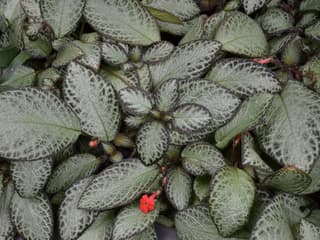
| Flame Violet | Easy | Partial shade | 7d | ✓ |
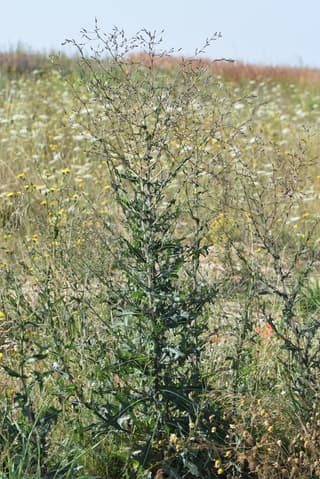
| Prickly Lettuce | Easy | Direct sun | 7d | ✓ |
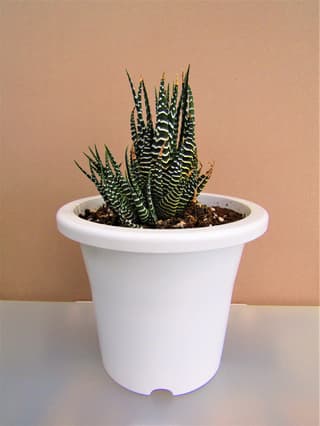
| Haworthiopsis (genus) | Easy | Partial shade | 14d | ✓ |
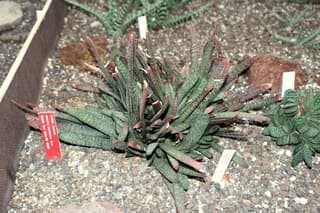
| Gasteria (genus) | Easy | Partial shade | 14d | ✓ |