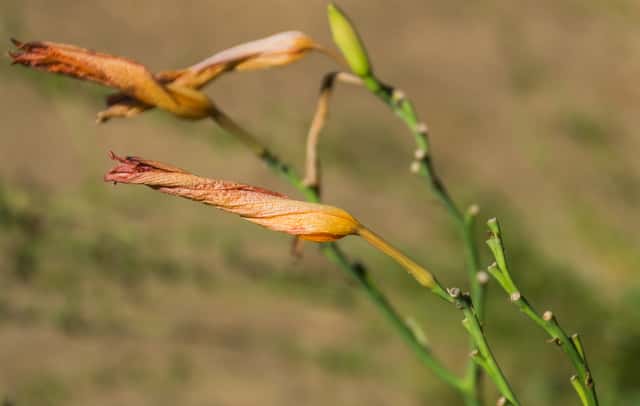
Hemerocallidaceae
Lemon Daylily (Hemerocallis lilioasphodelus): Complete Care Guide
Hemerocallis lilioasphodelus
Easy-care, robust perennial. Thrives in full sun with regular watering during dry spells. Tolerates varied soils as long as drainage is adequate. Best suited for outdoor gardens. CRITICAL WARNING: Extremely toxic to cats — even small exposure can cause acute kidney failure and death.
Every 7 days
Direct sun
-25° - 38°C
30% - 60%
Categories
What is Lemon Daylily?
Lemon Daylily (Hemerocallis lilioasphodelus) is a easy-care plant from the Hemerocallidaceae family. The Lemon Daylily (Hemerocallis lilioasphodelus) is a hardy herbaceous perennial native to southeastern Europe and eastern Asia. It produces fragrant, trumpet-shaped yellow flowers that last only a single day — hence the name "daylily." Exceptionally tough and adaptable, it thrives in a wide range o...
Lemon Daylily grows up to 75cm, spread of 90cm, watering every 7 days, -25°C – 38°C, 30–60% humidity. It is not suitable for indoor environments and not safe for pets.
Unlike many tropical plants, Lemon Daylily tolerates watering mistakes. Best for beginners. Without precautions, ingestion can cause irritation in pets. Keep out of reach of cats and dogs.
How to Care for Lemon Daylily?
TLDR: Lemon Daylily needs Direct sun, watering every 7 days, and temperatures between -25-38°C with 30-60% humidity.
How Often Should You Water Lemon Daylily?
Water every 7 days under normal conditions. Increase to twice weekly during hot summers. Reduce significantly in winter during dormancy. Allow soil to dry slightly between waterings — never waterlog.
How Much Light Does Lemon Daylily Need?
Plant in full sun (6-8 hours daily) for best flowering. Tolerates partial shade but blooms less vigorously. Avoid deep shade entirely.
What Is the Best Soil for Lemon Daylily?
Prefers fertile loamy soil with pH 6.0–7.5. Adapts to sandy, clay, and chalky soils provided drainage is good. Amend with compost at planting for best results.
What Pot Should You Use for Lemon Daylily?
Large terracotta or ceramic pots (minimum 30 cm diameter and depth) with drainage holes. Best grown in garden borders or raised beds.
Care Schedule
Fertilize
Every 60 days
What Is Lemon Daylily and Where Does It Come From?
The Lemon Daylily (Hemerocallis lilioasphodelus) is a hardy herbaceous perennial native to southeastern Europe and eastern Asia. It produces fragrant, trumpet-shaped yellow flowers that last only a single day — hence the name "daylily." Exceptionally tough and adaptable, it thrives in a wide range of soils and climates, making it a popular choice for borders and garden beds.
How to Propagate Lemon Daylily?
Clump Division
Divide every 3-4 years to rejuvenate the plant and maximize flowering. Use clean, sterilized tools to prevent disease transmission.
- 1 Dig up the entire clump in spring or after flowering
- 2 Separate rhizomes by hand or with a clean knife, ensuring each division has roots
- 3 Replant divisions 40-50 cm apart in prepared soil
- 4 Water thoroughly after planting and keep soil moist for 2-3 weeks
Materials needed:
Seed Propagation
Seeds from hybrids may not replicate parent plant characteristics. Division is preferred for maintaining specific traits.
- 1 Sow seeds in trays with moist seed compost in spring
- 2 Maintain 18-22°C with good indirect light
- 3 Transplant seedlings when they reach 10 cm tall
- 4 Plant out after the last frost date
Materials needed:
How Big Does Lemon Daylily Grow?
TLDR: Lemon Daylily can reach up to 75cm tall with Medium growth rate.
Max height
75cm
Spread
90cm
Growth rate
Medium
Foliage
Deciduous
Warning: Toxic Plant
This plant can be toxic if ingested. Keep out of reach of:
Plant Uses
Ornamental
Great for decoration
Edible
Can be consumed
Medicinal
Medicinal properties
Ground Cover
Soil coverage
Medicinal Uses
- Root juice used traditionally as an antidote for arsenic poisoning
- Used in traditional Chinese medicine as a diuretic and to treat inflammation
Culinary Uses
- Flower buds are edible with a flavor similar to green beans
- Young shoots can be eaten raw or cooked like asparagus
- Fresh flowers used in salads and soups in Asian cuisine
Is your plant showing symptoms?
Click on the symptom to discover possible causes:
What Diseases Commonly Affect Lemon Daylily?
TLDR: Lemon Daylily is susceptible to 8 known diseases. Monitor regularly for early detection.
Aphids
Aphids are small, soft-bodied, pear-shaped insects (1/16 to 1/8 inch long) that feed by sucking nutrient-rich sap from plants. They reproduce rapidly and can quickly weaken plants, causing distorted growth and transmitting plant viruses. Aphids come in various colors including green, black, red, yellow, brown, and gray. They secrete honeydew, a sticky substance that attracts ants and encourages sooty mold growth.
Slugs and Snails
Slugs and snails are mollusks that feed on plant tissue, causing irregular holes in leaves and damage to young seedlings. They are most active at night and in moist conditions, leaving characteristic silvery slime trails. These pests can quickly devastate gardens, especially during wet seasons.
Spider Mites
Spider mites are tiny arachnids (less than 1/20 inch long) related to spiders and ticks that feed on plant sap. They thrive in hot, dry conditions and can cause significant damage to ornamental and vegetable plants. During severe infestations, crop losses can reach 14% or higher as these pests disrupt vital plant processes including photosynthesis, carbon dioxide absorption, and transpiration.
Thrips
Thrips are tiny cigar-shaped insects (1/25-inch long) that damage plants by sucking plant juices and scraping at fruits, flowers, and leaves. With over 6,000 species and rapid reproduction (lifecycle as short as 14 days), they can quickly infest plants and transmit viruses like tomato spotted wilt virus.
Meaning & Symbolism
Symbolizes fleeting beauty and renewal — each flower lives only one day, a reminder to cherish the present moment.
Fun Facts
Each flower lasts exactly 24 hours — it opens at dusk and wilts the following morning, earning the name "daylily"
Despite being called a lily, it belongs to family Hemerocallidaceae, not Liliaceae — though both are equally deadly to cats
All parts are edible for humans: flowers, buds, young shoots, and roots have been used in Asian cooking for centuries
One of the hardiest perennials, surviving temperatures down to -25°C and nearly immune to serious diseases
Frequently asked questions
Is the Lemon Daylily toxic to cats?
How often should I water Lemon Daylily?
Can Lemon Daylily grow indoors?
When does Lemon Daylily bloom?
How do I propagate Lemon Daylily?
Compare with similar plants
| Attribute | Difficulty | Light | Watering | Pet Safe |
|---|---|---|---|---|
| Field Maple | Easy | Bright indirect | 14d | ✓ |
| Silver Birch | Easy | Direct sun | 14d | ✓ |
| Cushion Bush | Easy | Direct sun | 14d | ✓ |
| Peruvian peppertree | Easy | Direct sun | 14d | ⚠️ |





