Asteraceae
straggler daisy: Ground Cover Plant
Calyptocarpus vialis
An exceptionally hardy groundcover that requires minimal maintenance. It thrives in both sun and shade and is drought-tolerant once established.
Every 10 days
Low light
20° - 38°C
30% - 60%
Categories
What is straggler daisy?
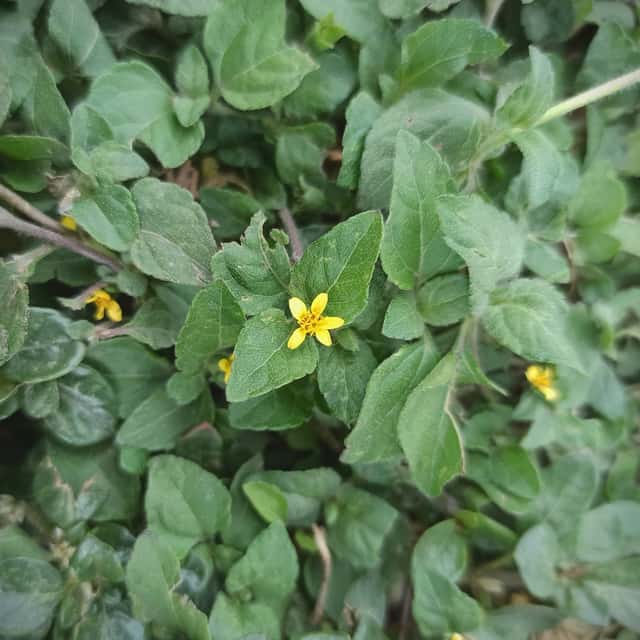
straggler daisy (Calyptocarpus vialis) is a easy-care plant from the Asteraceae family. Calyptocarpus vialis, commonly known as straggler daisy or horseherb, is a prostrate, mat-forming perennial native to the Southern United States and Mexico. It features small, opposite, serrated leaves and tiny yellow daisy-like flowers. It is highly valued as a native lawn alternative due to its ab...
straggler daisy grows up to 20cm, with spread of 30cm, watering every 10 days, 20°C – 38°C, 30–60% humidity. It is not suitable for indoor environments and safe for pets.
Unlike many tropical plants, straggler daisy tolerates watering mistakes. Best for beginners. Unlike many popular species, straggler daisy is safe to keep around pets.
How to Care for straggler daisy?
TLDR: straggler daisy needs Low light, watering every 10 days, and temperatures between 20-38°C with 30-60% humidity.
How Often Should You Water straggler daisy?
Water occasionally during prolonged dry spells to keep the foliage looking lush, though the plant will survive drought by going dormant.
How Much Light Does straggler daisy Need?
While it can grow in full sun, it is most prized for its ability to form a lush green carpet in heavy shade.
What Is the Best Soil for straggler daisy?
Extremely adaptable; it grows well in clay, loam, and even rocky limestone soils.
What Pot Should You Use for straggler daisy?
Best grown directly in the ground as a turf substitute, but can be used in wide, shallow planters as a trailing accent.
Care Schedule
Fertilize
Every 30 days
What Is straggler daisy and Where Does It Come From?
Calyptocarpus vialis, commonly known as straggler daisy or horseherb, is a prostrate, mat-forming perennial native to the Southern United States and Mexico. It features small, opposite, serrated leaves and tiny yellow daisy-like flowers. It is highly valued as a native lawn alternative due to its ability to thrive in deep shade where most grasses fail, and its resilience to light foot traffic.
How to Propagate straggler daisy?
Runner Division
- Keep the newly moved section moist for the first week to help it establish.
- 1 Identify Rooted Nodes
Locate a section of the creeping stem that has already developed small roots where it touches the soil.
- 2 Sever the Runner
Use clean shears to cut the stem away from the parent plant, ensuring the rooted section remains intact.
- 3 Transplant
Move the rooted section to a new location and press it firmly into moist soil.
Materials needed:
Direct Sowing
- Sow in early spring after the last frost for best results.
- 1 Prepare Soil
Clear the area of debris and lightly rake the surface of the soil.
- 2 Sow Seeds
Scatter seeds evenly across the soil surface. Do not bury them deeply as they need some light to germinate.
- 3 Water In
Gently mist the area to settle the seeds without washing them away.
Materials needed:
How Big Does straggler daisy Grow?
TLDR: straggler daisy can reach up to 20cm tall with Fast growth rate.
Max height
20cm
Spread
30cm
Growth rate
Fast
Foliage
Semi-evergreen
Plant Uses
Ornamental
Great for decoration
Ground Cover
Soil coverage
Edible
Can be consumed
Is your plant showing symptoms?
Click on the symptom to discover possible causes:
What Diseases Commonly Affect straggler daisy?
TLDR: straggler daisy is susceptible to 5 known diseases. Monitor regularly for early detection.
Root Rot
Root rot is a serious fungal disease that affects the root system of plants, causing them to decay and die. It is primarily caused by overwatering, poor drainage, or soil-borne fungi such as Pythium, Phytophthora, Rhizoctonia, and Fusarium. The disease thrives in waterlogged conditions where roots are deprived of oxygen, making them susceptible to fungal infection.
Overwatering
Overwatering occurs when plants receive too much water, depriving roots of oxygen and causing root rot. This environmental stress is one of the most common causes of houseplant death, as waterlogged soil prevents roots from breathing and functioning properly.
Aphids
Aphids are small, soft-bodied, pear-shaped insects (1/16 to 1/8 inch long) that feed by sucking nutrient-rich sap from plants. They reproduce rapidly and can quickly weaken plants, causing distorted growth and transmitting plant viruses. Aphids come in various colors including green, black, red, yellow, brown, and gray. They secrete honeydew, a sticky substance that attracts ants and encourages sooty mold growth.
Thrips
Thrips are tiny cigar-shaped insects (1/25-inch long) that damage plants by sucking plant juices and scraping at fruits, flowers, and leaves. With over 6,000 species and rapid reproduction (lifecycle as short as 14 days), they can quickly infest plants and transmit viruses like tomato spotted wilt virus.
Meaning & Symbolism
Represents resilience, adaptability, and the beauty of native wild spaces.
Compare with similar plants
| Attribute | Difficulty | Light | Watering | Pet Safe |
|---|---|---|---|---|
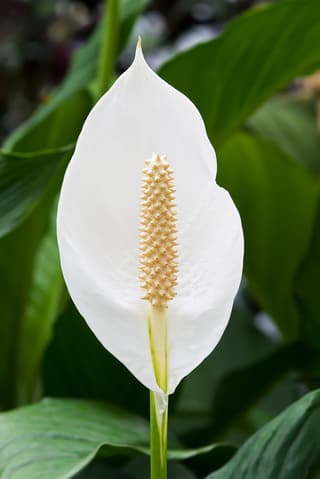
| Peace Lily | Easy | Low light | 4d | ⚠️ |
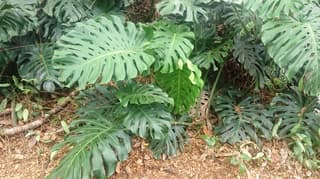
| Swiss Cheese Plant | Easy | Partial shade | 10d | ⚠️ |
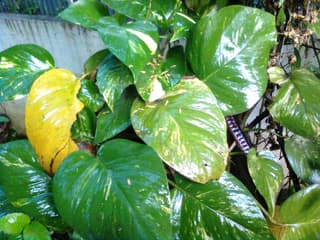
| Golden Pothos | Easy | Low light | 8d | ⚠️ |
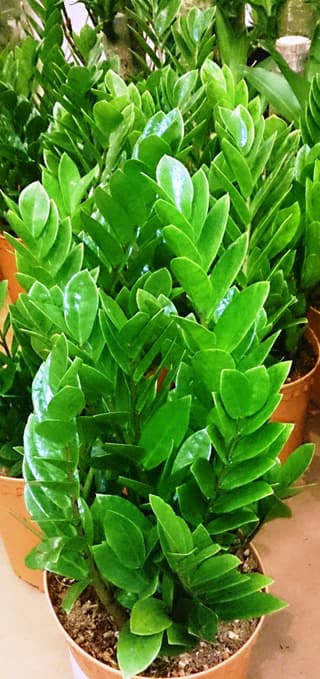
| ZZ Plant | Easy | Low light | 18d | ⚠️ |