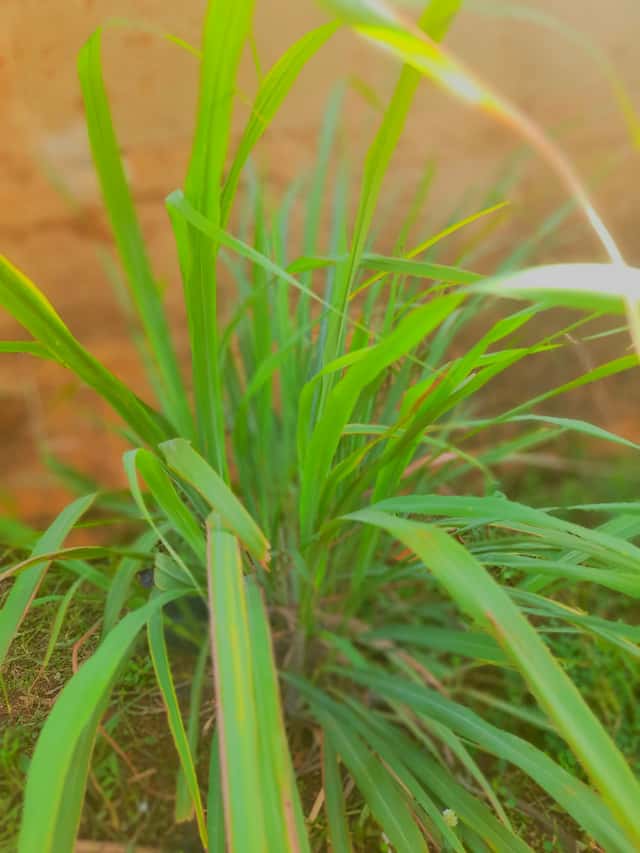
Poaceae
Elephant Grass (Cenchrus purpureus): Complete Growing Guide
Cenchrus purpureus
A robust, low-maintenance plant. Requires full sun, weekly watering during dry spells, and organic fertilizing every two months. Highly drought-tolerant once established. Annual spring pruning rejuvenates clumps.
Every 7 days
Direct sun
15° - 45°C
50% - 80%
Categories
What is Elephant Grass?
Elephant Grass (Cenchrus purpureus) is a easy-care plant from the Poaceae family. Elephant Grass (Cenchrus purpureus, formerly Pennisetum purpureum) is a giant perennial grass native to tropical Africa. One of the most productive grasses in the world, it can reach up to 7 meters in height, forming dense bamboo-like clumps. Widely cultivated as a forage crop, biomass source, and f...
Elephant Grass grows up to 7.0m, spread of 200cm, watering every 7 days, 15°C – 45°C, 50–80% humidity. It is not suitable for indoor environments and safe for pets.
Unlike many tropical plants, Elephant Grass tolerates watering mistakes. Best for beginners. Unlike many popular species, Elephant Grass is safe to keep around pets.
How to Care for Elephant Grass?
TLDR: Elephant Grass needs Direct sun, watering every 7 days, and temperatures between 15-45°C with 50-80% humidity.
How Often Should You Water Elephant Grass?
Water weekly during dry periods. Elephant Grass is highly drought-tolerant once established but performs best with consistent moisture during active growth. Avoid waterlogging — soil must drain freely.
How Much Light Does Elephant Grass Need?
Requires full sun — at least 6 hours of direct sunlight daily. Cannot tolerate prolonged shade, which dramatically reduces growth and productivity.
What Is the Best Soil for Elephant Grass?
Prefers loamy, well-draining soil with good fertility. Tolerates a wide pH range (4.5–8.2). Incorporate organic matter at planting for best performance.
What Pot Should You Use for Elephant Grass?
Outdoor beds, borders, living fences, agroforestry systems
Care Schedule
Fertilize
Every 60 days
What Is Elephant Grass and Where Does It Come From?
Elephant Grass (Cenchrus purpureus, formerly Pennisetum purpureum) is a giant perennial grass native to tropical Africa. One of the most productive grasses in the world, it can reach up to 7 meters in height, forming dense bamboo-like clumps. Widely cultivated as a forage crop, biomass source, and for erosion control across tropical and subtropical regions.
How to Propagate Elephant Grass?
Clump Division
Clump division is the fastest and most reliable method. Plant at the start of the rainy season for best establishment.
- 1 Select a healthy clump with multiple stems
- 2 Divide the clump with a hoe or machete, ensuring roots on each division
- 3 Plant immediately in moist soil at 10-15 cm depth
- 4 Water thoroughly after planting and keep moist for 2-3 weeks
Materials needed:
Stem Cutting
Use mid-plant stems — not too young or too old. Avoid extreme dry periods for planting.
- 1 Cut mature stems into 3-4 node segments (30-40 cm long)
- 2 Plant segments obliquely in soil, leaving 1-2 nodes exposed
- 3 Keep soil moist until sprouting occurs
- 4 First shoots appear within 2-3 weeks
Materials needed:
How Big Does Elephant Grass Grow?
TLDR: Elephant Grass can reach up to 7.0m tall with Fast growth rate.
Max height
7.0m
Spread
2.0m
Growth rate
Fast
Foliage
Evergreen
Plant Uses
Ground Cover
Soil coverage
Is your plant showing symptoms?
Click on the symptom to discover possible causes:
What Diseases Commonly Affect Elephant Grass?
TLDR: Elephant Grass is susceptible to 7 known diseases. Monitor regularly for early detection.
Leaf Spot
Leaf spot is a common fungal disease caused by various pathogens including Alternaria, Ascochyta, Colletotrichum, Septoria, and Venturia. It primarily affects leaves, causing discolored spots that can lead to premature leaf drop if left untreated.
Fusarium Wilt
Fusarium wilt is a serious fungal disease caused by the soil-borne fungus Fusarium oxysporum. The fungus invades roots and blocks the water-conducting vessels (xylem) of the plant, causing progressive wilting and eventual death. Host-specific forms of the pathogen exist that attack different plant species.
Root Rot
Root rot is a serious fungal disease that affects the root system of plants, causing them to decay and die. It is primarily caused by overwatering, poor drainage, or soil-borne fungi such as Pythium, Phytophthora, Rhizoctonia, and Fusarium. The disease thrives in waterlogged conditions where roots are deprived of oxygen, making them susceptible to fungal infection.
Aphids
Aphids are small, soft-bodied, pear-shaped insects (1/16 to 1/8 inch long) that feed by sucking nutrient-rich sap from plants. They reproduce rapidly and can quickly weaken plants, causing distorted growth and transmitting plant viruses. Aphids come in various colors including green, black, red, yellow, brown, and gray. They secrete honeydew, a sticky substance that attracts ants and encourages sooty mold growth.
Fun Facts
Elephant Grass can grow over 7 meters tall under ideal conditions, making it one of the tallest cultivated grasses in the world.
A single mature clump can produce 10–30 tonnes of dry matter per hectare per year — among the highest yields of any tropical grass.
Originally from tropical Africa, Elephant Grass is now cultivated on every continent in tropical and subtropical regions.
Researchers are studying Elephant Grass as a source of bioethanol and renewable energy, making it one of the most promising crops for the green transition.
Frequently asked questions
How often should I water Elephant Grass?
How much sun does Elephant Grass need?
How do I propagate Elephant Grass?
Is Elephant Grass toxic to animals?
When should I prune Elephant Grass?
Compare with similar plants
| Attribute | Difficulty | Light | Watering | Pet Safe |
|---|---|---|---|---|
| Field Maple | Easy | Bright indirect | 14d | ✓ |
| Silver Birch | Easy | Direct sun | 14d | ✓ |
| Cushion Bush | Easy | Direct sun | 14d | ✓ |
| Peruvian peppertree | Easy | Direct sun | 14d | ⚠️ |





