Cupressaceae
Western Red Cedar: Medicinal Uses & Care Tips
Thuja plicata
The Western Red Cedar is a hardy plant (USDA zones 5a–8b) and relatively easy to grow in gardens. It requires a sunny or partially shaded location with consistently moist, well-drained, and fertile soil with a slightly acidic to neutral pH (5.5–7.5). It does not tolerate drought or hot, dry winds. It grows quickly—up to 60–90 cm per year. The optimal growth temperature ranges between -30°C and 35°C, though it grows best in cool, temperate climates.
Every 10 days
Bright indirect
-30° - 35°C
50% - 80%
Categories
What is Western Red Cedar?
Western Red Cedar (Thuja plicata) is a easy-care plant from the Cupressaceae family. The Western Red Cedar (Thuja plicata) is an impressive evergreen coniferous tree in the cypress family (Cupressaceae), native to the Pacific Northwest of North America—from southeastern Alaska to northern California. In its natural habitat, it can reach heights of up to 60 meters and live for over a...
Western Red Cedar grows up to 60.0m, spread of 1200cm, watering every 10 days, -30°C – 35°C, 50–80% humidity. It is not suitable for indoor environments and not safe for pets.
Unlike many tropical plants, Western Red Cedar tolerates watering mistakes. Best for beginners. Without precautions, ingestion can cause irritation in pets. Keep out of reach of cats and dogs.
How to Care for Western Red Cedar?
TLDR: Western Red Cedar needs Bright indirect, watering every 10 days, and temperatures between -30-35°C with 50-80% humidity.
How Often Should You Water Western Red Cedar?
Water regularly, keeping the soil consistently slightly moist—especially during the first 2 years after planting. Mature specimens can tolerate short periods of drought but do not tolerate prolonged soil drying. Avoid both overwatering and water stagnation. Mulching around the trunk is recommended to help retain moisture and protect the roots.
How Much Light Does Western Red Cedar Need?
The Western Red Cedar grows best in full sun (at least 6 hours a day) but also tolerates partial shade well. Avoid locations exposed to strong, dry winds or intense western sun during hot summers—high temperatures and drought are the main enemies of this species.
What Is the Best Soil for Western Red Cedar?
Prefers humus-rich, well-drained, but consistently moist soil—optimally sandy loam or fertile clay. It tolerates a wide pH range (5.5–7.5) and temporary flooding. It does not perform well in very dry, sandy, or poor soils. Annual organic mulching (bark, compost) around the root ball significantly improves the tree's condition.
Care Schedule
Fertilize
Every 90 days
What Is Western Red Cedar and Where Does It Come From?
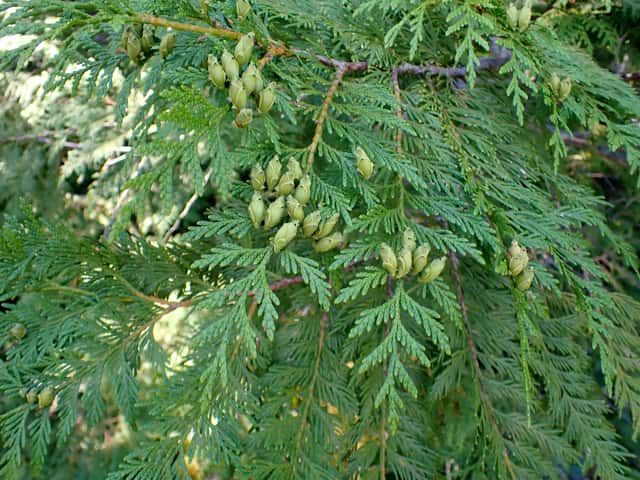
The Western Red Cedar (Thuja plicata) is an impressive evergreen coniferous tree in the cypress family (Cupressaceae), native to the Pacific Northwest of North America—from southeastern Alaska to northern California. In its natural habitat, it can reach heights of up to 60 meters and live for over a thousand years. Flat, fan-like branchlets are covered with aromatic, scale-like leaves that have an intense scent reminiscent of pineapple. The wood is lightweight, soft, exceptionally durable, and rot-resistant, which for centuries made it one of the most valuable building and crafting materials for the indigenous peoples of the Northwest Coast. For many Salish tribes and other indigenous groups, the Western Red Cedar is the 'Tree of Life'—a symbol of strength, longevity, and renewal. It is the official provincial tree of British Columbia.
How to Propagate Western Red Cedar?
Semi-hardwood cuttings
Seeds
Natural layering
How Big Does Western Red Cedar Grow?
TLDR: Western Red Cedar can reach up to 60.0m tall with Fast growth rate.
Max height
60.0m
Spread
12.0m
Growth rate
Fast
Foliage
Evergreen
Warning: Toxic Plant
This plant can be toxic if ingested. Keep out of reach of:
Plant Uses
Ornamental
Great for decoration
Medicinal
Medicinal properties
Medicinal Uses
- Traditionally used by North American indigenous peoples for respiratory ailments, rheumatism, and toothaches.
- The essential oil from the leaves and wood contains thujone, which has antimicrobial properties; used externally in preparations for warts and skin problems.
- Internal use is dangerous due to the thujone content—a toxic compound that causes seizures in large doses.
Culinary Uses
- The inner bark was historically consumed by indigenous peoples—dried and ground into flour or added fresh to soups.
- The resin (pitch) was traditionally chewed as gum by indigenous populations.
Is your plant showing symptoms?
Click on the symptom to discover possible causes:
What Diseases Commonly Affect Western Red Cedar?
TLDR: Western Red Cedar is susceptible to 7 known diseases. Monitor regularly for early detection.
Canker
Canker is a disease caused by various fungi and bacteria that create necrotic, sunken areas on bark of branches, stems, and trunks. Pathogens enter through wounds and natural openings, especially when plants are stressed. Canker can gradually weaken or kill branches by disrupting water and nutrient flow.
Phytophthora Root Rot
Disease caused by fungus-like organisms (oomycetes) that live in soil and can survive for years. It affects roots, stem, and crown of plants, being especially severe in waterlogged or poorly drained soils. It is the second most common cause of root rot in trees and shrubs.
Sooty Mold
Sooty mold is a fungal disease that develops on surfaces coated with honeydew, a sticky sweet substance secreted by sap-sucking insects like aphids, scale insects, and whiteflies. While it does not directly infect plant tissue, it reduces photosynthetic capacity by blocking sunlight and diminishes the plant's aesthetic appearance.
Scale Insects
Scale insects are small sap-sucking pests that appear as brown, shell-like bumps on plant stems and leaves. There are over 25 species, divided into armored (hard) and unarmored (soft) scales. They feed by piercing plant tissue and extracting sap, which weakens the plant and can lead to yellowing, stunted growth, and even death if left untreated. They also excrete honeydew, which attracts ants and promotes sooty mold growth.
Meaning & Symbolism
For millennia, the Western Red Cedar has been the 'Tree of Life' for the indigenous peoples of the Pacific Northwest—a symbol of strength, perseverance, and rebirth. It was believed that hugging the tree's trunk provides strength. Due to its exceptional longevity (over 1,000 years), it is also a symbol of durability and immortality. It is the official provincial tree of British Columbia.
Compare with similar plants
| Attribute | Difficulty | Light | Watering | Pet Safe |
|---|---|---|---|---|
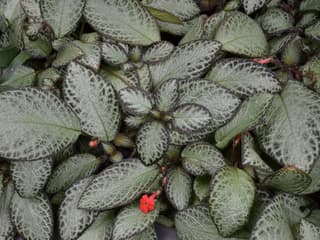
| Flame Violet | Easy | Partial shade | 7d | ✓ |
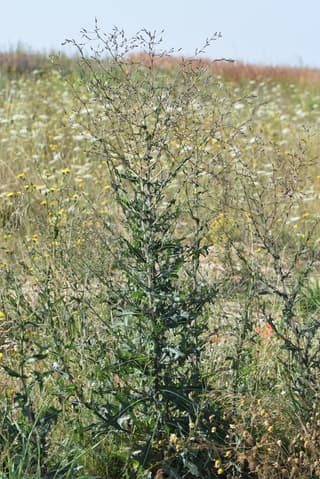
| Prickly Lettuce | Easy | Direct sun | 7d | ✓ |
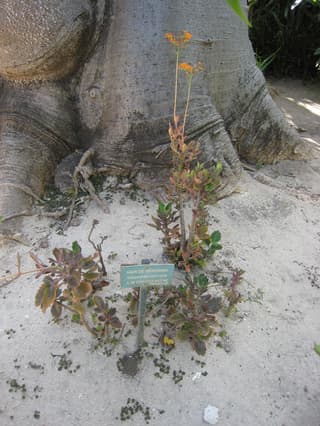
| Christmas Tree Plant | Easy | Bright indirect | 10d | ⚠️ |
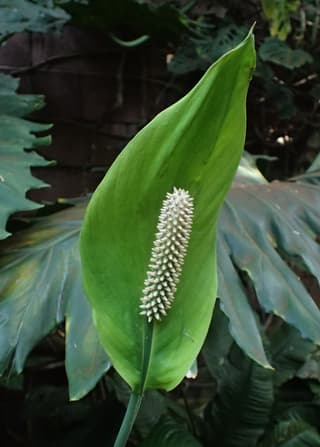
| Peace Lily | Easy | Low light | 7d | ⚠️ |