Araceae
Heartleaf Philodendron (Philodendron scandens)
Philodendron scandens
One of the easiest houseplants to care for, ideal for beginners. Prefers bright indirect light but tolerates low light. Water when the top 2-3 cm of soil are dry (approximately every 7 days). Maintain humidity between 50-80% and temperatures between 12-30°C. Avoid direct sunlight and waterlogged soil.
Every 7 days
Partial shade
12° - 30°C
50% - 80%
Categories
What is Heartleaf Philodendron?
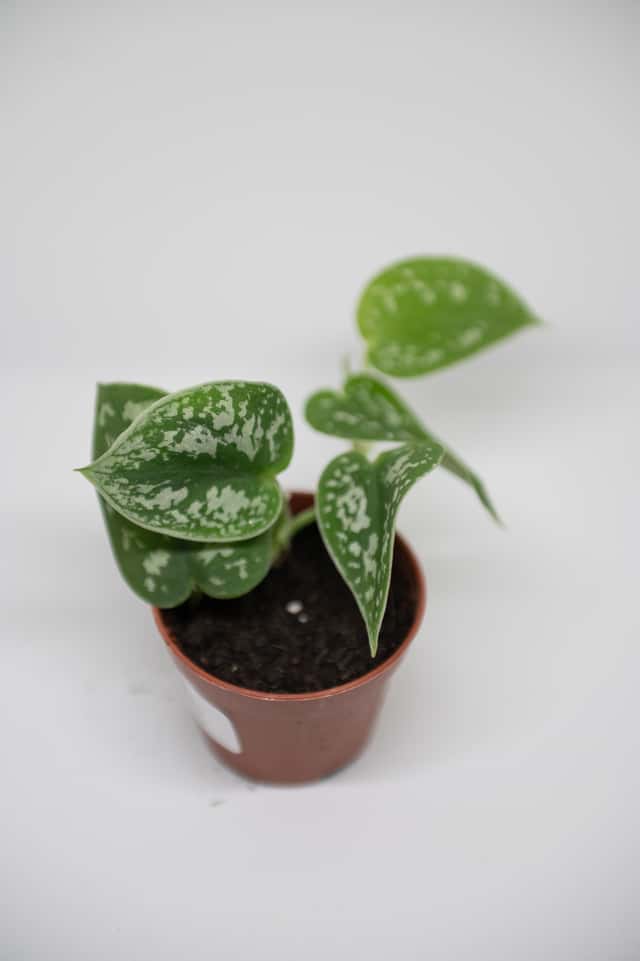
Heartleaf Philodendron (Philodendron scandens) is a easy-care plant from the Araceae family. The Heartleaf Philodendron (Philodendron scandens, syn. Philodendron hederaceum) is an evergreen tropical climbing plant from the Araceae family, native to Central and South America. Its glossy, dark green heart-shaped leaves can reach up to 30 cm in length under ideal conditions. It is one of the m...
Heartleaf Philodendron grows up to 4.0m, spread of 120cm, watering every 7 days, 12°C – 30°C, 50–80% humidity. It is suitable for indoor environments and not safe for pets.
Unlike many tropical plants, Heartleaf Philodendron tolerates watering mistakes. Best for beginners. Without precautions, ingestion can cause irritation in pets. Keep out of reach of cats and dogs. Without adequate drainage, root rot can develop within 14 days.
How to Care for Heartleaf Philodendron?
TLDR: Heartleaf Philodendron needs Partial shade, watering every 7 days, and temperatures between 12-30°C with 50-80% humidity.
How Often Should You Water Heartleaf Philodendron?
Water thoroughly when the top 1-2 inches (2-3 cm) of soil feel dry to the touch, usually every 7 days in summer and every 10-14 days in winter. Allow excess water to drain freely. Never let the plant sit in standing water, as this leads to root rot. Use room-temperature water.
How Much Light Does Heartleaf Philodendron Need?
Place in bright, indirect light near an east- or west-facing window for best growth. The heartleaf philodendron tolerates lower light conditions better than most houseplants, but growth will slow and leaves will be smaller. Avoid direct sun, which can scorch the leaves.
What Is the Best Soil for Heartleaf Philodendron?
Use a well-draining, rich, organic potting mix. A blend of potting soil, perlite, and orchid bark (2:1:1) works excellently. Target a soil pH of 6.0-7.0. Repot every 2 years in spring when roots start emerging from drainage holes.
What Pot Should You Use for Heartleaf Philodendron?
Terra cotta or ceramic pot with drainage holes. Plastic pots also work well for retaining moisture. Avoid oversized pots as excess soil retains water and promotes root rot.
Care Schedule
Fertilize
Every 30 days
Misting
Every 3 days
Rotate
Every 30 days
Repot
Every 730 days
What Is Heartleaf Philodendron and Where Does It Come From?
The Heartleaf Philodendron (Philodendron scandens, syn. Philodendron hederaceum) is an evergreen tropical climbing plant from the Araceae family, native to Central and South America. Its glossy, dark green heart-shaped leaves can reach up to 30 cm in length under ideal conditions. It is one of the most popular houseplants in the world due to its ease of care and adaptability to various light conditions.
How to Propagate Heartleaf Philodendron?
Stem Cutting
Use sterilized tools to prevent disease transmission. Optionally apply rooting hormone to the cut end to speed up rooting. Spring and summer are best due to higher plant metabolic activity.
- 1 Select a healthy stem with at least 2-3 leaves and 1-2 visible nodes
- 2 Using clean, sharp scissors, cut just below a node to get a cutting 8-15 cm long
- 3 Remove leaves from the lower third of the cutting, leaving only 2-3 leaves at the top
- 4 Place the cutting in clean water or moist, well-draining potting mix, covering the node
- 5 Keep in a spot with indirect light and temperatures between 18-25°C
- 6 If propagating in water, change it weekly; if in soil, keep it slightly moist
- 7 After 2-4 weeks, when roots are 3-5 cm long, transplant to a pot with regular potting mix
Materials needed:
How Big Does Heartleaf Philodendron Grow?
TLDR: Heartleaf Philodendron can reach up to 4.0m tall with Fast growth rate.
Max height
4.0m
Spread
1.2m
Growth rate
Fast
Foliage
Evergreen
Warning: Toxic Plant
This plant can be toxic if ingested. Keep out of reach of:
Plant Uses
Ornamental
Great for decoration
Air Purifying
Improves air quality
Is your plant showing symptoms?
Click on the symptom to discover possible causes:
What Diseases Commonly Affect Heartleaf Philodendron?
TLDR: Heartleaf Philodendron is susceptible to 18 known diseases. Monitor regularly for early detection.
Root Rot
Root rot is a serious fungal disease that affects the root system of plants, causing them to decay and die. It is primarily caused by overwatering, poor drainage, or soil-borne fungi such as Pythium, Phytophthora, Rhizoctonia, and Fusarium. The disease thrives in waterlogged conditions where roots are deprived of oxygen, making them susceptible to fungal infection.
Spider Mites
Spider mites are tiny arachnids (less than 1/20 inch long) related to spiders and ticks that feed on plant sap. They thrive in hot, dry conditions and can cause significant damage to ornamental and vegetable plants. During severe infestations, crop losses can reach 14% or higher as these pests disrupt vital plant processes including photosynthesis, carbon dioxide absorption, and transpiration.
Mealybugs
Mealybugs are small, soft-bodied insects covered with a white, waxy, cottony material. They are common pests of houseplants and outdoor plants in mild climates. These sap-sucking insects feed on plant tissue, causing damage, stunted growth, and can lead to plant death if left untreated. They produce sticky honeydew which attracts sooty mold.
Aphids
Aphids are small, soft-bodied, pear-shaped insects (1/16 to 1/8 inch long) that feed by sucking nutrient-rich sap from plants. They reproduce rapidly and can quickly weaken plants, causing distorted growth and transmitting plant viruses. Aphids come in various colors including green, black, red, yellow, brown, and gray. They secrete honeydew, a sticky substance that attracts ants and encourages sooty mold growth.
Meaning & Symbolism
Symbolizes unconditional love, affection, and devotion. The heart-shaped leaves make it a popular gift for loved ones and a symbol of nurturing relationships.
Fun Facts
In the wild, Philodendron scandens can climb over 6 meters high, attaching to trees with its aerial roots
It is one of the most efficient houseplants for purifying indoor air, removing volatile organic compounds
The name Philodendron comes from Greek: philos (love) + dendron (tree), meaning 'tree lover'
It can survive weeks without watering, making it ideal for frequent travelers
Frequently asked questions
How often should I water my Heartleaf Philodendron?
Is the Heartleaf Philodendron toxic to cats and dogs?
Why are my Heartleaf Philodendron leaves turning yellow?
How can I make my Heartleaf Philodendron grow faster?
Can I grow Heartleaf Philodendron in water?
Compare with similar plants
| Attribute | Difficulty | Light | Watering | Pet Safe |
|---|---|---|---|---|
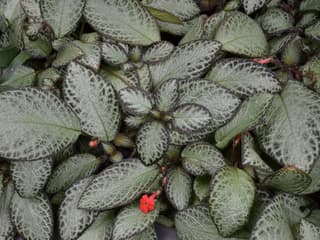
| Flame Violet | Easy | Partial shade | 7d | ✓ |
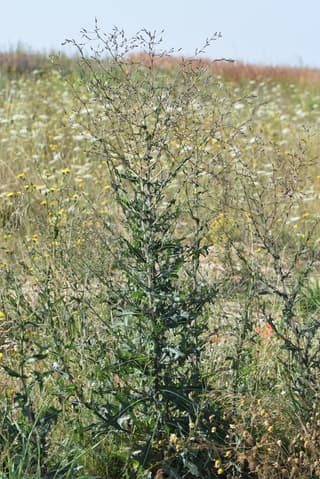
| Prickly Lettuce | Easy | Direct sun | 7d | ✓ |
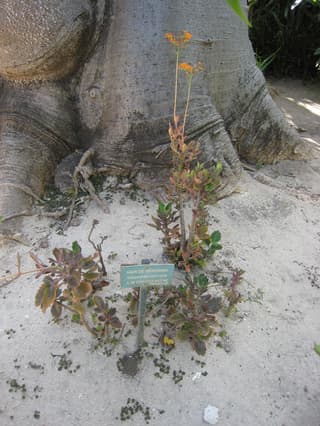
| Christmas Tree Plant | Easy | Bright indirect | 10d | ⚠️ |
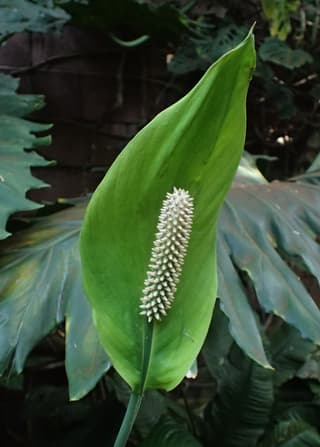
| Peace Lily | Easy | Low light | 7d | ⚠️ |