Equisetaceae
Horsetail (Equisetum spp): Complete Care and Growing Guide
Equisetum spp
Horsetail is a tough, low-maintenance plant. It thrives in full sun to partial shade with consistently moist to wet soil. Perfect for water gardens, pond edges, and containers with saturated substrate. Fast-growing and potentially invasive — contain it with barriers or pots. Water frequently to keep soil moist; it tolerates waterlogged conditions exceptionally well.
Every 3 days
Bright indirect
-30° - 30°C
30% - 70%
Categories
What is Horsetail?
Horsetail (Equisetum spp) is a easy-care plant from the Equisetaceae family. Horsetail (Equisetum spp) is one of the most ancient plant genera on Earth, with fossil records dating back over 300 million years. A primitive vascular plant that reproduces via spores rather than seeds, it belongs to the family Equisetaceae. Its jointed, hollow, green stems — rich in silica — are...
Horsetail grows up to 1.2m, with spread of 90cm, watering every 3 days, -30°C – 30°C, 30–70% humidity. It is suitable for indoor environments and safe for pets.
Unlike many tropical plants, Horsetail tolerates watering mistakes. Best for beginners. Unlike many popular species, Horsetail is safe to keep around pets. Without adequate drainage, root rot can develop within 7 days.
How to Care for Horsetail?
TLDR: Horsetail needs Bright indirect, watering every 3 days, and temperatures between -30-30°C with 30-70% humidity.
How Often Should You Water Horsetail?
Water every 2-3 days to keep the substrate consistently moist. Horsetail thrives in waterlogged soil and can grow with roots submerged in up to 4 inches of water. Never let the substrate dry out completely.
How Much Light Does Horsetail Need?
Plant in full sun to partial shade. In hot climates, protect from intense afternoon sun. Horsetail tolerates partial shade well but grows most vigorously with at least 4-6 hours of direct light daily.
What Is the Best Soil for Horsetail?
Use clay-loam or aquatic plant substrate, keeping it constantly moist. Ideal pH is 6.0-7.5. Horsetail adapts to nutrient-poor soils, mirroring its natural riverside habitat.
What Pot Should You Use for Horsetail?
Terracotta or ceramic pots are ideal as they help retain moisture. For water garden use, aquatic plant baskets with clay substrate work excellently. Avoid containers with excessive drainage as horsetail requires constant moisture.
Care Schedule
Fertilize
Every 90 days
Repot
Every 365 days
What Is Horsetail and Where Does It Come From?
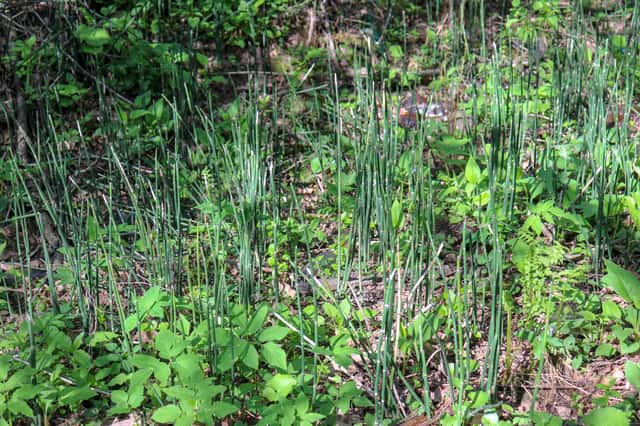
Horsetail (Equisetum spp) is one of the most ancient plant genera on Earth, with fossil records dating back over 300 million years. A primitive vascular plant that reproduces via spores rather than seeds, it belongs to the family Equisetaceae. Its jointed, hollow, green stems — rich in silica — are its most distinctive feature. Cosmopolitan in distribution, it naturally colonizes moist soils, riverbanks, and wetlands on nearly every continent. Widely used in traditional medicine and increasingly popular in contemporary ornamental gardening.
How to Propagate Horsetail?
Rhizome Division
Horsetail propagates very easily by rhizome division. Any fragment of rhizome left in the soil will naturally sprout. Wear gloves to avoid cuts from the silica-rich stems.
- 1 Carefully remove the plant from its container or dig it up from the ground
- 2 Divide the rhizome into sections with at least one node each
- 3 Plant immediately in moist substrate or a container with water
- 4 Keep moist and in partial shade until established
Materials needed:
Spore Propagation
Spore propagation is very challenging and rarely successful. Always prefer rhizome division.
- 1 Collect mature spores from the strobili (cones) in spring
- 2 Surface sow immediately on sterile, moist substrate
- 3 Cover with clear plastic film to maintain humidity
- 4 Keep in a bright location without direct sun until germination
Materials needed:
How Big Does Horsetail Grow?
TLDR: Horsetail can reach up to 1.2m tall with Fast growth rate.
Max height
1.2m
Spread
90cm
Growth rate
Fast
Foliage
Evergreen
Warning: Toxic Plant
This plant can be toxic if ingested. Keep out of reach of:
Plant Uses
Ornamental
Great for decoration
Medicinal
Medicinal properties
Medicinal Uses
- Diuretic
- Anti-inflammatory
- Wound healing
- Remineralizing (rich in silica)
- Strengthens hair and nails
- Urinary tract support
Is your plant showing symptoms?
Click on the symptom to discover possible causes:
What Diseases Commonly Affect Horsetail?
TLDR: Horsetail is susceptible to 5 known diseases. Monitor regularly for early detection.
Root Rot
Root rot is a serious fungal disease that affects the root system of plants, causing them to decay and die. It is primarily caused by overwatering, poor drainage, or soil-borne fungi such as Pythium, Phytophthora, Rhizoctonia, and Fusarium. The disease thrives in waterlogged conditions where roots are deprived of oxygen, making them susceptible to fungal infection.
Overwatering
Overwatering occurs when plants receive too much water, depriving roots of oxygen and causing root rot. This environmental stress is one of the most common causes of houseplant death, as waterlogged soil prevents roots from breathing and functioning properly.
Spider Mites
Spider mites are tiny arachnids (less than 1/20 inch long) related to spiders and ticks that feed on plant sap. They thrive in hot, dry conditions and can cause significant damage to ornamental and vegetable plants. During severe infestations, crop losses can reach 14% or higher as these pests disrupt vital plant processes including photosynthesis, carbon dioxide absorption, and transpiration.
Mealybugs
Mealybugs are small, soft-bodied insects covered with a white, waxy, cottony material. They are common pests of houseplants and outdoor plants in mild climates. These sap-sucking insects feed on plant tissue, causing damage, stunted growth, and can lead to plant death if left untreated. They produce sticky honeydew which attracts sooty mold.
Meaning & Symbolism
Symbol of resilience, primordial ancestry, and endurance. Horsetail has survived multiple mass extinctions and is one of the oldest living plant lineages on Earth, representing the enduring power of nature.
Fun Facts
Horsetail has existed for over 300 million years, surviving the mass extinction of the dinosaurs
Its stems are so rich in silica they can be used as natural sandpaper for polishing wood and metal
Native Americans used horsetail to polish arrows, pipes, and wooden objects
A horsetail infusion is used as a natural fungicide in organic gardens
Frequently asked questions
How often should I water horsetail?
Can horsetail be grown in containers?
Is horsetail toxic to pets?
How do I stop horsetail from spreading?
What is the best time to propagate horsetail?
Compare with similar plants
| Attribute | Difficulty | Light | Watering | Pet Safe |
|---|---|---|---|---|
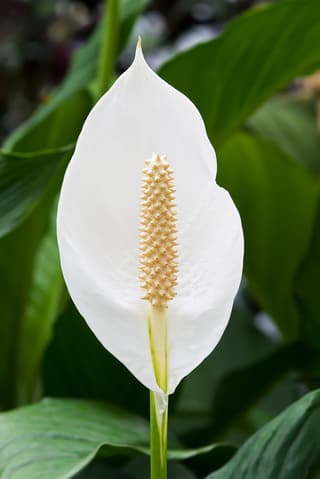
| Peace Lily | Easy | Low light | 4d | ⚠️ |
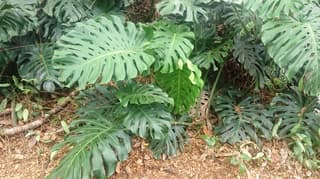
| Swiss Cheese Plant | Easy | Partial shade | 10d | ⚠️ |
| Golden Pothos | Easy | Low light | 8d | ⚠️ |
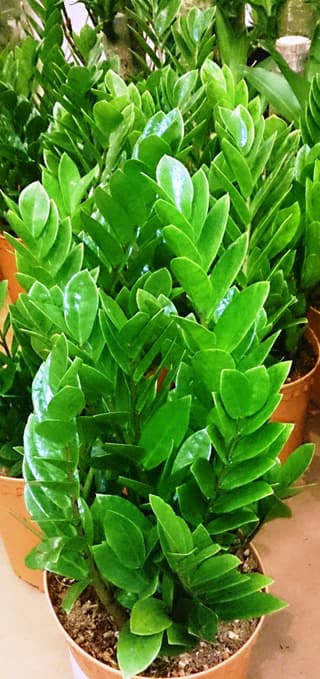
| ZZ Plant | Easy | Low light | 18d | ⚠️ |