Lamiaceae
Peppermint (Mentha × piperita): Complete Growing & Care Guide
Mentha × piperita
Easy-care plant that thrives in moist, rich soil with good drainage. Water every 2-3 days or when the top of the soil starts to dry out. Needs full sun to partial shade. Prune regularly to encourage bushy growth and prevent early flowering.
Every 2 days
Bright indirect
-20° - 35°C
40% - 70%
Categories
What is Peppermint?
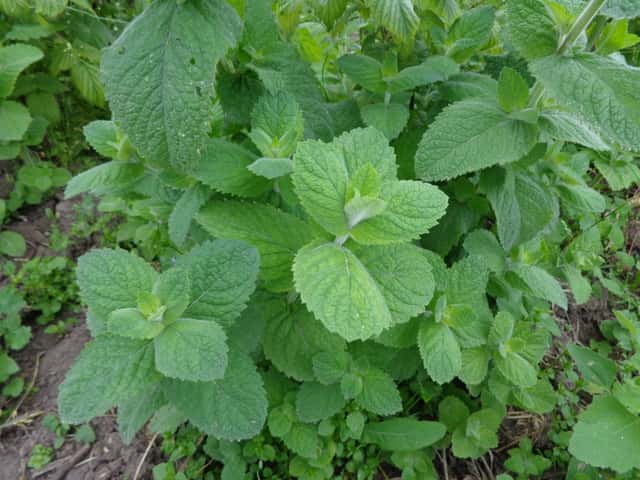
Peppermint (Mentha × piperita) is a easy-care plant from the Lamiaceae family. Peppermint (Mentha × piperita) is a hybrid aromatic herb, a cross between watermint (Mentha aquatica) and spearmint (Mentha spicata), belonging to the family Lamiaceae. One of the most widely cultivated herbs in the world, it is prized for its intensely refreshing menthol aroma and its broad range o...
Peppermint grows up to 90cm, spread of 150cm, watering every 2 days, -20°C – 35°C, 40–70% humidity. It is suitable for indoor environments and not safe for pets.
Unlike many tropical plants, Peppermint tolerates watering mistakes. Best for beginners. Without precautions, ingestion can cause irritation in pets. Keep out of reach of cats and dogs. Without adequate drainage, root rot can develop within 7 days.
How to Care for Peppermint?
TLDR: Peppermint needs Bright indirect, watering every 2 days, and temperatures between -20-35°C with 40-70% humidity.
How Often Should You Water Peppermint?
Keep soil consistently moist but never waterlogged. Water every 2-3 days, or daily during hot dry spells. Peppermint wilts quickly when underwatered, so monitor soil moisture closely.
How Much Light Does Peppermint Need?
Provide at least 4-6 hours of direct sunlight per day. Thrives on sunny windowsills and balconies. In lower-light conditions it will still grow, but flavor and aroma will be less intense.
What Is the Best Soil for Peppermint?
Prefers rich, moist, well-draining loamy soil with a pH of 6.0–7.0. Amend with compost to improve water retention and nutrient availability. Avoid dry or compacted soils.
What Pot Should You Use for Peppermint?
Terracotta or plastic pot with drainage holes, at least 20-30 cm in diameter. Growing in containers is strongly recommended to contain the plant's aggressive rhizome spread.
Care Schedule
Fertilize
Every 30 days
Repot
Every 365 days
What Is Peppermint and Where Does It Come From?
Peppermint (Mentha × piperita) is a hybrid aromatic herb, a cross between watermint (Mentha aquatica) and spearmint (Mentha spicata), belonging to the family Lamiaceae. One of the most widely cultivated herbs in the world, it is prized for its intensely refreshing menthol aroma and its broad range of medicinal and culinary applications. It spreads vigorously through underground rhizomes.
How to Propagate Peppermint?
Stem Cutting
Peppermint roots easily in water, making propagation simple and visual. Use clean sharp scissors to avoid disease.
- 1 Cut a healthy non-flowering stem 8-10 cm long just below a node
- 2 Remove lower leaves, keeping only 2-3 at the top
- 3 Place the cutting in a glass of water or moist growing medium
- 4 Keep in bright indirect light and change water every 2 days
- 5 Transplant once roots reach 2-3 cm in length
Materials needed:
Root Division
Division is ideal for controlling aggressive spread and rejuvenating older plants. Best done in spring.
- 1 Remove plant from pot or dig up from garden bed
- 2 Divide root ball into smaller sections, ensuring each has roots and shoots
- 3 Replant each section in fresh compost-enriched soil
- 4 Water thoroughly after planting
Materials needed:
How Big Does Peppermint Grow?
TLDR: Peppermint can reach up to 90cm tall with Fast growth rate.
Max height
90cm
Spread
1.5m
Growth rate
Fast
Foliage
Deciduous
Warning: Toxic Plant
This plant can be toxic if ingested. Keep out of reach of:
Plant Uses
Medicinal
Medicinal properties
Edible
Can be consumed
Aromatic
Pleasant fragrance
Ornamental
Great for decoration
Medicinal Uses
- Relief from headaches and migraines through inhalation of menthol vapors
- Digestive aid and nausea relief when consumed as herbal tea
- Decongestant properties that help alleviate cold and sinus symptoms
- Topical use of essential oil for muscle tension and joint pain relief
Culinary Uses
- Natural flavoring in teas, infusions, and cold beverages
- Ingredient in desserts such as ice cream, chocolates, and candies
- Used in sauces, salads, and savory dishes as a fresh herb
- Base for syrups and extracts used in cocktails and mocktails
Is your plant showing symptoms?
Click on the symptom to discover possible causes:
What Diseases Commonly Affect Peppermint?
TLDR: Peppermint is susceptible to 5 known diseases. Monitor regularly for early detection.
Verticillium Wilt
Verticillium wilt is a soil-borne fungal disease caused primarily by the fungi Verticillium dahliae and V. albo-atrum. These pathogens infect plant roots and grow within the vascular tissues, blocking water and nutrient transport, resulting in wilting and eventual plant death. The disease affects over 350 plant species including vegetables, fruits, ornamental flowers, and trees. The fungi can survive in soil for more than 10 years as resistant structures called microsclerotia.
Powdery Mildew
Powdery mildew is a common fungal disease caused by various fungi species including Erysiphe, Podosphaera, Oïdium, and Leveillula. It affects over 10,000 plant species worldwide. The disease thrives in warm, dry climates with high humidity and appears as a distinctive white powdery coating on plant surfaces.
Rust
Rust is a common fungal disease caused by fungi in the order Pucciniales that affects a wide variety of plants. The disease gets its name from the characteristic orange, yellow, or reddish-brown pustules that appear on leaves, resembling metal rust. This obligate fungal parasite requires living plants to survive and can cause significant economic losses in agricultural crops.
Root Rot
Root rot is a serious fungal disease that affects the root system of plants, causing them to decay and die. It is primarily caused by overwatering, poor drainage, or soil-borne fungi such as Pythium, Phytophthora, Rhizoctonia, and Fusarium. The disease thrives in waterlogged conditions where roots are deprived of oxygen, making them susceptible to fungal infection.
Meaning & Symbolism
Peppermint symbolizes vitality, mental clarity, and refreshment. Historically associated with hospitality, healing, and purification across many cultures.
Fun Facts
Peppermint is a sterile hybrid — its seeds are rarely viable, so it is propagated almost exclusively by cuttings and rhizomes
Menthol, its key essential oil compound, is used in over 10,000 commercial products from toothpaste to medicines
A single plant can cover several square meters in just a few years thanks to its aggressive underground rhizomes
Ancient Romans and Greeks used mint to scent banquets and ceremonial spaces
Frequently asked questions
How often should I water peppermint?
Can peppermint grow indoors?
Is peppermint toxic to cats and dogs?
How do I harvest peppermint without killing the plant?
Why is my peppermint wilting?
Compare with similar plants
| Attribute | Difficulty | Light | Watering | Pet Safe |
|---|---|---|---|---|
| Field Maple | Easy | Bright indirect | 14d | ✓ |
| Silver Birch | Easy | Direct sun | 14d | ✓ |
| Cushion Bush | Easy | Direct sun | 14d | ✓ |
| Peruvian peppertree | Easy | Direct sun | 14d | ⚠️ |





