Hydrangeaceae
Panicle Hydrangea (Hydrangea paniculata): Complete Care Guide
Hydrangea paniculata
Plant in full sun to partial shade. Water weekly keeping soil evenly moist but well-drained. Fertilize in early spring and mid-summer. Prune in late winter or early spring as it blooms on new wood.
Every 7 days
Direct sun
-35° - 35°C
40% - 70%
Categories
What is Panicle Hydrangea?
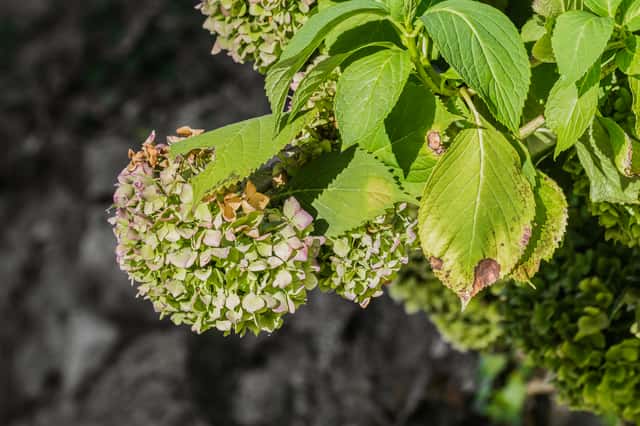
Panicle Hydrangea (Hydrangea paniculata) is a easy-care plant from the Hydrangeaceae family. Hydrangea paniculata, commonly known as Panicle Hydrangea, is a deciduous shrub native to China, Japan, and Russia. It is celebrated for its large cone-shaped flower clusters (panicles) that bloom from mid-summer through fall, transitioning from creamy white to shades of pink. It is the most sun-tol...
Panicle Hydrangea grows up to 6.1m, spread of 240cm, watering every 7 days, -35°C – 35°C, 40–70% humidity. It is not suitable for indoor environments and not safe for pets.
Unlike many tropical plants, Panicle Hydrangea tolerates watering mistakes. Best for beginners. Without precautions, ingestion can cause irritation in pets. Keep out of reach of cats and dogs.
How to Care for Panicle Hydrangea?
TLDR: Panicle Hydrangea needs Direct sun, watering every 7 days, and temperatures between -35-35°C with 40-70% humidity.
How Often Should You Water Panicle Hydrangea?
Water deeply once a week. During hot spells, check that soil does not dry out completely between waterings. Avoid waterlogging — excess moisture leads to root rot.
How Much Light Does Panicle Hydrangea Need?
Tolerates full sun (6+ hours daily), making it unique among hydrangeas. In very hot climates, provide light afternoon shade to protect blooms from scorching.
What Is the Best Soil for Panicle Hydrangea?
Prefers loamy, organically rich, well-drained soil. Adapts to clay, sandy, and loamy textures. pH 5.5–7.5.
What Pot Should You Use for Panicle Hydrangea?
Large terracotta or wooden container for terrace use; best suited to garden planting
Care Schedule
Fertilize
Every 60 days
What Is Panicle Hydrangea and Where Does It Come From?
Hydrangea paniculata, commonly known as Panicle Hydrangea, is a deciduous shrub native to China, Japan, and Russia. It is celebrated for its large cone-shaped flower clusters (panicles) that bloom from mid-summer through fall, transitioning from creamy white to shades of pink. It is the most sun-tolerant and cold-hardy hydrangea species.
How to Propagate Panicle Hydrangea?
Stem Cutting
Use softwood cuttings from current season growth. Maintain high humidity by covering with plastic. Avoid direct sun during rooting.
- 1 Cut a healthy stem 10-15 cm long with 2-3 pairs of leaves
- 2 Remove lower leaves and dip the base in rooting hormone
- 3 Plant in moist substrate (peat + perlite) and cover with a plastic bag
- 4 Keep in bright indirect light at 18-22°C
- 5 Transplant once roots reach 2-3 cm
Materials needed:
How Big Does Panicle Hydrangea Grow?
TLDR: Panicle Hydrangea can reach up to 6.1m tall with Fast growth rate.
Max height
6.1m
Spread
2.4m
Growth rate
Fast
Foliage
Deciduous
Warning: Toxic Plant
This plant can be toxic if ingested. Keep out of reach of:
Plant Uses
Ornamental
Great for decoration
Is your plant showing symptoms?
Click on the symptom to discover possible causes:
What Diseases Commonly Affect Panicle Hydrangea?
TLDR: Panicle Hydrangea is susceptible to 10 known diseases. Monitor regularly for early detection.
Powdery Mildew
Powdery mildew is a common fungal disease caused by various fungi species including Erysiphe, Podosphaera, Oïdium, and Leveillula. It affects over 10,000 plant species worldwide. The disease thrives in warm, dry climates with high humidity and appears as a distinctive white powdery coating on plant surfaces.
Gray Mold (Botrytis Blight)
Gray mold, caused by the fungus Botrytis cinerea, is one of the most common fungal diseases in plants. It affects over 200 plant species, including ornamentals, vegetables, fruits, and houseplants. The disease thrives in cool, humid conditions with poor air circulation, causing grayish spots and soft rot on infected tissues.
Leaf Spot
Leaf spot is a common fungal disease caused by various pathogens including Alternaria, Ascochyta, Colletotrichum, Septoria, and Venturia. It primarily affects leaves, causing discolored spots that can lead to premature leaf drop if left untreated.
Cercospora Leaf Spot
Cercospora leaf spot is a common fungal disease caused by Cercospora species that affects many plant types, particularly beets, roses, and leafy vegetables. The disease thrives in warm, humid conditions and can cause significant defoliation, reducing plant vigor and yield. It spreads rapidly through water splash, wind, and contaminated tools.
Meaning & Symbolism
Symbolizes gratitude, grace, abundance, and heartfelt emotion. Popular in wedding and celebration arrangements.
Fun Facts
Can reach over 6 meters tall under ideal conditions
Flowers naturally change color from creamy white to pink without any pH manipulation
One of the hardiest hydrangeas, surviving temperatures as low as -35°C
Blooms on new wood, so it can be pruned hard in winter without sacrificing flowers
Frequently asked questions
How often should I water Panicle Hydrangea?
Is Panicle Hydrangea toxic to pets?
When should I prune Panicle Hydrangea?
Can Panicle Hydrangea grow in full sun?
Why are my hydrangea flowers turning brown?
Compare with similar plants
| Attribute | Difficulty | Light | Watering | Pet Safe |
|---|---|---|---|---|
| Field Maple | Easy | Bright indirect | 14d | ✓ |
| Silver Birch | Easy | Direct sun | 14d | ✓ |
| Cushion Bush | Easy | Direct sun | 14d | ✓ |
| Peruvian peppertree | Easy | Direct sun | 14d | ⚠️ |





