Rosaceae
Corymb rose: Aromatic Plant
Rosa corymbifera
Low-maintenance, hardy shrub adapted to full sun and well-drained soils. Moderate watering every 7-10 days; tolerates brief drought. Annual pruning in late winter removes dead wood and controls size. Monthly fertilization during the growing season stimulates abundant flowering. Cold hardy down to -20 °C (-4 °F) when dormant.
Every 8 days
Direct sun
-20° - 35°C
40% - 70%
Categories
What is Corymb rose?
Corymb rose (Rosa corymbifera) is a easy-care plant from the Rosaceae family. Rosa corymbifera, commonly known as the corymb rose or hedge rose, is a vigorous deciduous shrub in the Rosaceae family, native to Europe, North Africa, the Caucasus, the Middle East, and Central Asia. Closely related to Rosa canina, it is primarily distinguished by the presence of denser hairs on t...
Corymb rose grows up to 3.0m, spread of 250cm, watering every 8 days, -20°C – 35°C, 40–70% humidity. It is not suitable for indoor environments and safe for pets.
Unlike many tropical plants, Corymb rose tolerates watering mistakes. Best for beginners. Unlike many popular species, Corymb rose is safe to keep around pets.
How to Care for Corymb rose?
TLDR: Corymb rose needs Direct sun, watering every 8 days, and temperatures between -20-35°C with 40-70% humidity.
How Often Should You Water Corymb rose?
Water thoroughly every 7-10 days when the top 3-4 cm of soil are dry. Avoid wetting the leaves to prevent black spot and powdery mildew. During periods of intense heat, increase frequency to every 5-7 days. Reduce watering in autumn and winter while the plant is dormant. This species tolerates brief droughts, but the soil should remain slightly moist during flowering.
How Much Light Does Corymb rose Need?
Prefers full sun with at least 6-8 hours of direct daily sunlight for maximum flowering and well-developed rose hips. Tolerates light partial shade (clearings or forest edges), but with reduced flowering. Avoid full shade locations, as this increases susceptibility to powdery mildew and weakens the shrub. Young plants benefit from some shade during the hottest part of the day in Mediterranean climates.
What Is the Best Soil for Corymb rose?
Thrives in well-drained, loamy to sandy-loam soils enriched with organic matter (compost or well-rotted manure). It tolerates clay, limestone, and alkaline soils—a characteristic that distinguishes it from many cultivated roses. The ideal pH is between 5.5 and 7.5. Avoid waterlogged or poorly drained soils, which promote root rot. A 5-8 cm layer of organic mulch around the base conserves moisture and controls weeds.
What Pot Should You Use for Corymb rose?
Not suitable for pots or indoor cultivation. Due to its vigorous shrubby nature and deep root system, Rosa corymbifera requires ample outdoor space and deep soil. In small gardens, it can be trained as an espalier against a sunny wall or used as a natural hedge.
Care Schedule
Fertilize
Every 30 days
What Is Corymb rose and Where Does It Come From?
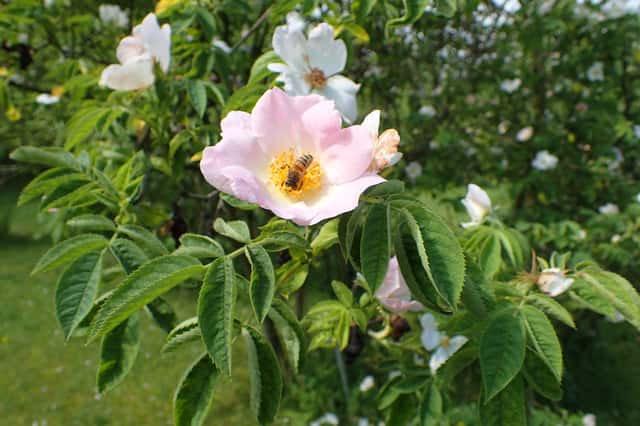
Rosa corymbifera, commonly known as the corymb rose or hedge rose, is a vigorous deciduous shrub in the Rosaceae family, native to Europe, North Africa, the Caucasus, the Middle East, and Central Asia. Closely related to Rosa canina, it is primarily distinguished by the presence of denser hairs on the underside of the leaves. Its long, arching branches, covered in curved thorns, can reach up to 3 meters in height, forming impenetrable natural hedges. From May to July, it produces flat corymb inflorescences with 3 to 15 flowers featuring white to pale pink petals and a mild fragrance. In autumn, the intense red oval rose hips become a valuable ornament and a rich source of vitamin C. The 'Laxa' cultivar is the most widely used rootstock in Europe for garden roses.
How to Propagate Corymb rose?
Semi-hardwood cuttings
Hardwood cuttings
Seed
Division of basal shoots
How Big Does Corymb rose Grow?
TLDR: Corymb rose can reach up to 3.0m tall with Fast growth rate.
Max height
3.0m
Spread
2.5m
Growth rate
Fast
Foliage
Deciduous
Plant Uses
Ornamental
Great for decoration
Medicinal
Medicinal properties
Edible
Can be consumed
Aromatic
Pleasant fragrance
Medicinal Uses
- Rose hips rich in vitamin C (10-20x more than oranges): used in syrups, teas, and supplements for immune support and scurvy prevention
- Astringent, carminative, and diuretic properties of petals and fruits: aids in diarrhea, gastritis, and colic
- Rose hip syrup used in cough medicines and as a flavoring agent
- Seeds rich in vitamin E: used in oils and antioxidant supplements
- Moderate evidence of the effectiveness of achene powder and rose hip pulp in treating osteoarthritis
- Ongoing research into the anticancer potential of flavonoids and essential fatty acids in rose hips
Culinary Uses
- Edible rose hips, raw (when fully ripe, ideally after the first frosts) or cooked in jellies, jams, syrups, and liqueurs
- Rose hip tea: an infusion rich in vitamin C, with a slightly acidic and sweet flavor
- Seeds: ground into flour or used as a nutritional supplement (remove irritating hairs before consumption)
- Fresh petals: flavorings in salads, drinks, rose vinegar, and confectionery
- Artisanal rose water: distillation of petals to flavor desserts and homemade cosmetics
Is your plant showing symptoms?
Click on the symptom to discover possible causes:
What Diseases Commonly Affect Corymb rose?
TLDR: Corymb rose is susceptible to 8 known diseases. Monitor regularly for early detection.
Black Spot
Black spot is the most serious fungal disease affecting roses, caused by the fungus Diplocarpon rosae. It is characterized by dark circular spots on leaves that progress to yellowing and premature leaf drop. The disease thrives in humid and cool conditions, especially early in the growing season.
Powdery Mildew
Powdery mildew is a common fungal disease caused by various fungi species including Erysiphe, Podosphaera, Oïdium, and Leveillula. It affects over 10,000 plant species worldwide. The disease thrives in warm, dry climates with high humidity and appears as a distinctive white powdery coating on plant surfaces.
Aphids
Aphids are small, soft-bodied, pear-shaped insects (1/16 to 1/8 inch long) that feed by sucking nutrient-rich sap from plants. They reproduce rapidly and can quickly weaken plants, causing distorted growth and transmitting plant viruses. Aphids come in various colors including green, black, red, yellow, brown, and gray. They secrete honeydew, a sticky substance that attracts ants and encourages sooty mold growth.
Rust
Rust is a common fungal disease caused by fungi in the order Pucciniales that affects a wide variety of plants. The disease gets its name from the characteristic orange, yellow, or reddish-brown pustules that appear on leaves, resembling metal rust. This obligate fungal parasite requires living plants to survive and can cause significant economic losses in agricultural crops.
Meaning & Symbolism
In European tradition, the wild rose symbolizes free and wild love, natural beauty without artifice, and the renewal of life in spring. Its thorns represent defense and resilience in the face of adversity. The red rose hips are a symbol of abundance, health, and vitality. In some Celtic and Germanic cultures, it was planted in hedges to protect the home from evil spirits.
Compare with similar plants
| Attribute | Difficulty | Light | Watering | Pet Safe |
|---|---|---|---|---|
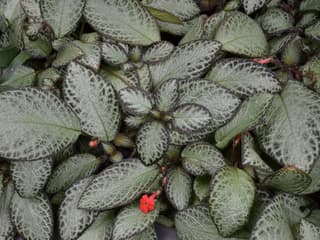
| Flame Violet | Easy | Partial shade | 7d | ✓ |
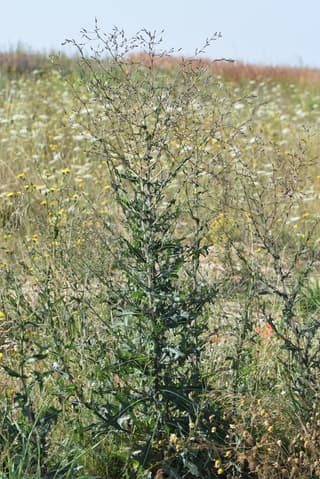
| Prickly Lettuce | Easy | Direct sun | 7d | ✓ |
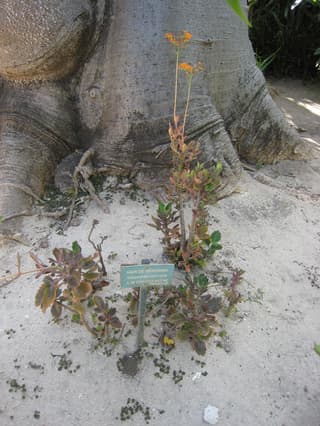
| Christmas Tree Plant | Easy | Bright indirect | 10d | ⚠️ |
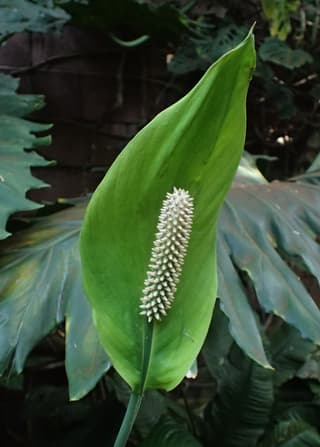
| Peace Lily | Easy | Low light | 7d | ⚠️ |