Geraniaceae
Cranesbill — Hardy Geranium Care Guide
Geranium
Easy-care hardy perennial. Plant in well-drained loamy soil. Water weekly when young; established plants are drought-tolerant. Full sun to partial shade. Cut back after first flush of flowers to encourage a second bloom. Hardy in USDA zones 4–9. Divide clumps every 3–5 years to maintain vigour.
Every 7 days
Partial shade
-20° - 30°C
40% - 60%
Categories
What is Cranesbill?
Cranesbill (Geranium) is a easy-care plant from the Geraniaceae family. Geranium (cranesbill) is a large genus of about 430 species of flowering perennials and annuals in the family Geraniaceae. Unlike the tender Pelargonium commonly sold as "geranium" in shops, true Geraniums are hardy perennials that die back in winter and reliably regrow each spring. They are beloved...
Cranesbill grows up to 60cm, spread of 90cm, watering every 7 days, -20°C – 30°C, 40–60% humidity. It is not suitable for indoor environments and safe for pets.
Unlike many tropical plants, Cranesbill tolerates watering mistakes. Best for beginners. Unlike many popular species, Cranesbill is safe to keep around pets.
How to Care for Cranesbill?
TLDR: Cranesbill needs Partial shade, watering every 7 days, and temperatures between -20-30°C with 40-60% humidity.
How Often Should You Water Cranesbill?
Water once a week during the growing season; established plants can tolerate short dry spells. Reduce watering significantly in autumn and winter when the plant dies back. Avoid waterlogging — good drainage is essential.
How Much Light Does Cranesbill Need?
Most cranesbills prefer full sun to partial shade. Afternoon shade is beneficial in hot climates to prevent leaf scorch. Compact alpine species prefer full sun; woodland species tolerate denser shade.
What Is the Best Soil for Cranesbill?
Thrives in average to moderately fertile, well-drained loamy soil. Tolerates sandy, chalky and clay soils. A slightly acidic to neutral pH (6.0–7.5) is ideal. Amend very poor soils with compost before planting.
What Pot Should You Use for Cranesbill?
Outdoors: ground-level planting in borders or rock gardens is ideal. If containerised, use a wide terracotta or ceramic pot with ample drainage holes. Repot every 2–3 years or when roots become congested.
Care Schedule
Fertilize
Every 90 days
What Is Cranesbill and Where Does It Come From?
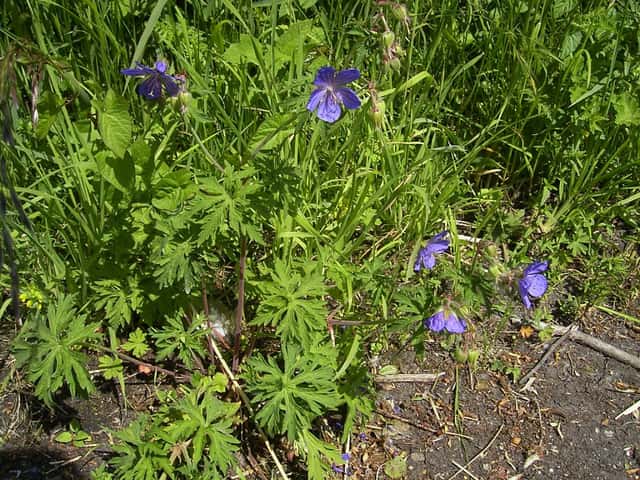
Geranium (cranesbill) is a large genus of about 430 species of flowering perennials and annuals in the family Geraniaceae. Unlike the tender Pelargonium commonly sold as "geranium" in shops, true Geraniums are hardy perennials that die back in winter and reliably regrow each spring. They are beloved in temperate gardens for their delicate saucer-shaped flowers in shades of blue, purple, pink and white, and their attractive deeply-lobed foliage that often turns vivid shades in autumn. Cranesbills are remarkably adaptable, thriving in sun or partial shade and a wide range of soil types.
How to Propagate Cranesbill?
Clump Division
Division every 3-5 years keeps plants vigorous and free-flowering. Autumn division is possible but spring is preferred.
- 1 Dig up the established clump in spring after new shoots emerge
- 2 Divide the clump into sections, each with healthy roots and shoots
- 3 Replant immediately at the same depth, water in well
- 4 Keep moist for 2-3 weeks until re-established
Materials needed:
Stem Cutting
Use a clean, sharp knife. Rooting hormone powder improves success rates.
- 1 Take semi-ripe stem cuttings in midsummer to early autumn
- 2 Remove lower leaves and insert into free-draining compost
- 3 Keep in a sheltered spot out of direct sun
- 4 Pot on once rooted and overwinter in a frost-free place
Materials needed:
How Big Does Cranesbill Grow?
TLDR: Cranesbill can reach up to 60cm tall with Medium growth rate.
Max height
60cm
Spread
90cm
Growth rate
Medium
Foliage
Deciduous
Plant Uses
Ornamental
Great for decoration
Ground Cover
Soil coverage
Is your plant showing symptoms?
Click on the symptom to discover possible causes:
What Diseases Commonly Affect Cranesbill?
TLDR: Cranesbill is susceptible to 10 known diseases. Monitor regularly for early detection.
Powdery Mildew
Powdery mildew is a common fungal disease caused by various fungi species including Erysiphe, Podosphaera, Oïdium, and Leveillula. It affects over 10,000 plant species worldwide. The disease thrives in warm, dry climates with high humidity and appears as a distinctive white powdery coating on plant surfaces.
Rust
Rust is a common fungal disease caused by fungi in the order Pucciniales that affects a wide variety of plants. The disease gets its name from the characteristic orange, yellow, or reddish-brown pustules that appear on leaves, resembling metal rust. This obligate fungal parasite requires living plants to survive and can cause significant economic losses in agricultural crops.
Botrytis
Gray Mold (Botrytis Blight)
Gray mold, caused by the fungus Botrytis cinerea, is a widespread necrotrophic pathogen affecting over 1,400 plant species. It thrives in cool, humid conditions and attacks weakened or aging plant tissues, causing soft rot and characteristic gray fuzzy growth.
Meaning & Symbolism
Cranesbill geraniums symbolise friendship, happiness, and good health. In the Victorian language of flowers they represented gentility and domestic comfort — a cheerful, welcoming presence in the garden.
Fun Facts
The name 'cranesbill' comes from the long, beak-like seed pods that resemble a crane's bill — and when ripe, they explode to scatter seeds up to several metres away.
There are approximately 430 species of Geranium found across temperate regions of the world, from alpine meadows to woodland edges.
Hardy geraniums are deer- and rabbit-resistant, making them excellent choices for gardens in areas with high wildlife pressure.
Some cranesbill species, such as Geranium maderense from Madeira, can grow up to 1.5 metres tall and form impressive architectural specimens.
Frequently asked questions
What is the difference between Geranium and Pelargonium?
How often should I water cranesbill geraniums?
When do cranesbills flower?
Are cranesbill geraniums toxic to pets?
How do I propagate cranesbill geraniums?
Compare with similar plants
| Attribute | Difficulty | Light | Watering | Pet Safe |
|---|---|---|---|---|
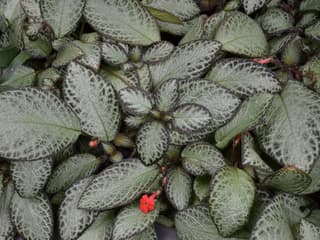
| Flame Violet | Easy | Partial shade | 7d | ✓ |
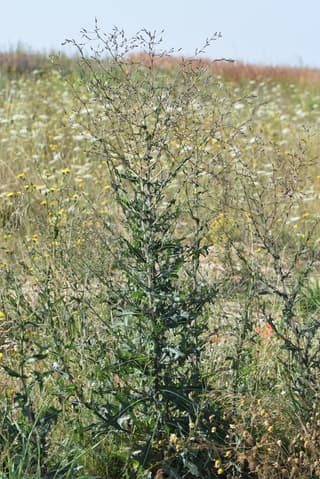
| Prickly Lettuce | Easy | Direct sun | 7d | ✓ |
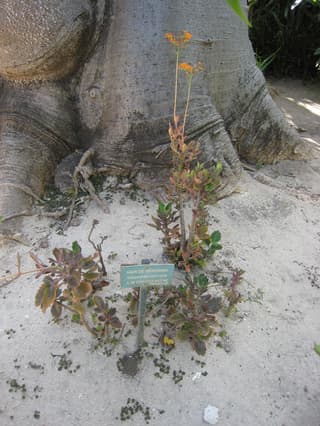
| Christmas Tree Plant | Easy | Bright indirect | 10d | ⚠️ |
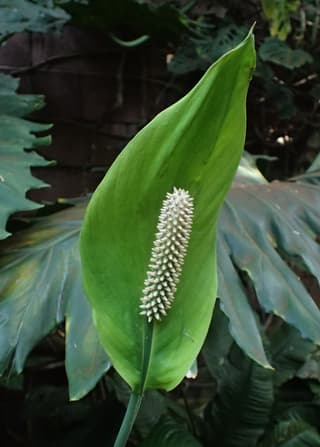
| Peace Lily | Easy | Low light | 7d | ⚠️ |