Balsaminaceae
New Guinea Impatiens (Impatiens hawkeri): Complete Care Guide
Impatiens hawkeri
Water regularly to keep soil consistently moist, fertilize monthly, provide bright indirect light or morning sun, and protect from afternoon heat. Grows well both indoors and outdoors in warm climates.
Every 2 days
Partial shade
10° - 29°C
60% - 80%
Categories
What is New Guinea Impatiens?
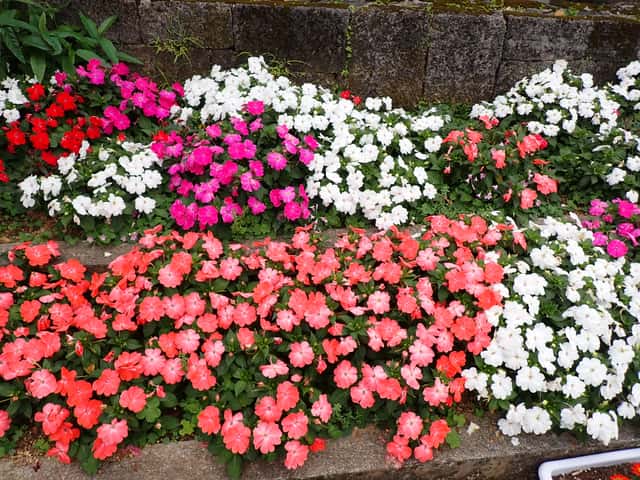
New Guinea Impatiens (Impatiens hawkeri) is a easy-care plant from the Balsaminaceae family. New Guinea Impatiens (Impatiens hawkeri) is a vibrant flowering plant native to Papua New Guinea, prized for its large, colorful blooms in shades of red, orange, pink, white, and purple. Unlike common impatiens, this hybrid tolerates more sun and produces larger flowers, making it ideal for containe...
New Guinea Impatiens grows up to 50cm, with spread of 90cm, watering every 2 days, 10°C – 29°C, 60–80% humidity. It is suitable for indoor environments and safe for pets.
Unlike many tropical plants, New Guinea Impatiens tolerates watering mistakes. Best for beginners. Unlike many popular species, New Guinea Impatiens is safe to keep around pets. Without adequate drainage, root rot can develop within 7 days.
How to Care for New Guinea Impatiens?
TLDR: New Guinea Impatiens needs Partial shade, watering every 2 days, and temperatures between 10-29°C with 60-80% humidity.
How Often Should You Water New Guinea Impatiens?
Water every 2–3 days or when the top inch of soil feels dry. In hot weather, watering may be needed daily. Avoid waterlogging — ensure pots have drainage holes. Do not mist leaves as moisture on foliage encourages fungal disease.
How Much Light Does New Guinea Impatiens Need?
Thrives in bright indirect light or partial shade with morning sun. Tolerates more sun than common impatiens but protect from harsh afternoon sun, which can cause leaf scorch and flower drop. Indoors, place near a bright east- or west-facing window.
What Is the Best Soil for New Guinea Impatiens?
Use a well-draining, organically rich potting mix. A blend with perlite or vermiculite and coco coir works well. Maintain a slightly acidic pH of 6.0–6.5 for best nutrient uptake.
What Pot Should You Use for New Guinea Impatiens?
Terracotta or ceramic pots with drainage holes are ideal for containers. Use hanging baskets lined with coconut fiber for cascading display.
Care Schedule
Fertilize
Every 30 days
Repot
Every 365 days
What Is New Guinea Impatiens and Where Does It Come From?
New Guinea Impatiens (Impatiens hawkeri) is a vibrant flowering plant native to Papua New Guinea, prized for its large, colorful blooms in shades of red, orange, pink, white, and purple. Unlike common impatiens, this hybrid tolerates more sun and produces larger flowers, making it ideal for containers, hanging baskets, and garden borders.
How to Propagate New Guinea Impatiens?
Stem Cutting
Change water weekly if rooting in water. Use a rooting hormone to improve success rate.
- 1 Take a 4–6 inch stem cutting just below a leaf node in spring or early summer
- 2 Remove lower leaves, keeping 2–3 at the top
- 3 Place the cutting in water or moist potting mix
- 4 Keep in bright indirect light and maintain humidity
- 5 Transplant once roots are 1–2 inches long
Materials needed:
Seed Propagation
Seeds need light to germinate — press gently into soil surface without covering.
- 1 Start seeds indoors 10–12 weeks before last frost
- 2 Sow on surface of moist seed-starting mix (do not cover — light aids germination)
- 3 Maintain soil temperature of 21–24°C
- 4 Keep consistently moist until seedlings emerge
- 5 Transplant outdoors after last frost risk
Materials needed:
How Big Does New Guinea Impatiens Grow?
TLDR: New Guinea Impatiens can reach up to 50cm tall with Medium growth rate.
Max height
50cm
Spread
90cm
Growth rate
Medium
Foliage
Evergreen
Plant Uses
Ornamental
Great for decoration
Is your plant showing symptoms?
Click on the symptom to discover possible causes:
What Diseases Commonly Affect New Guinea Impatiens?
TLDR: New Guinea Impatiens is susceptible to 11 known diseases. Monitor regularly for early detection.
Spider Mites
Spider mites are tiny arachnids (less than 1/20 inch long) related to spiders and ticks that feed on plant sap. They thrive in hot, dry conditions and can cause significant damage to ornamental and vegetable plants. During severe infestations, crop losses can reach 14% or higher as these pests disrupt vital plant processes including photosynthesis, carbon dioxide absorption, and transpiration.
Aphids
Aphids are small, soft-bodied, pear-shaped insects (1/16 to 1/8 inch long) that feed by sucking nutrient-rich sap from plants. They reproduce rapidly and can quickly weaken plants, causing distorted growth and transmitting plant viruses. Aphids come in various colors including green, black, red, yellow, brown, and gray. They secrete honeydew, a sticky substance that attracts ants and encourages sooty mold growth.
Gray Mold (Botrytis Blight)
Gray mold, caused by the fungus Botrytis cinerea, is one of the most common fungal diseases in plants. It affects over 200 plant species, including ornamentals, vegetables, fruits, and houseplants. The disease thrives in cool, humid conditions with poor air circulation, causing grayish spots and soft rot on infected tissues.
Powdery Mildew
Powdery mildew is a common fungal disease caused by various fungi species including Erysiphe, Podosphaera, Oïdium, and Leveillula. It affects over 10,000 plant species worldwide. The disease thrives in warm, dry climates with high humidity and appears as a distinctive white powdery coating on plant surfaces.
Meaning & Symbolism
Symbolizes joy, enthusiasm, and a lively spirit. The name "impatiens" reflects the plant's eagerness to bloom all season long.
Fun Facts
New Guinea Impatiens can bloom continuously for over 8 months under ideal conditions
Unlike common impatiens, this species is resistant to downy mildew, a disease that devastated garden impatiens worldwide after 2011
The name "Impatiens" refers to the way the ripe seed pods explode when touched, scattering seeds forcefully
Plants can spread up to 90 cm wide, making them excellent for filling containers and garden gaps
Frequently asked questions
How often should I water New Guinea Impatiens?
Can New Guinea Impatiens grow in full sun?
Are New Guinea Impatiens toxic to pets?
Why are the flowers dropping on my New Guinea Impatiens?
How do I propagate New Guinea Impatiens?
Compare with similar plants
| Attribute | Difficulty | Light | Watering | Pet Safe |
|---|---|---|---|---|
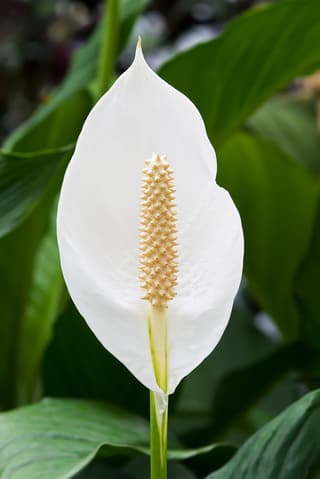
| Peace Lily | Easy | Low light | 4d | ⚠️ |
| Swiss Cheese Plant | Easy | Partial shade | 10d | ⚠️ |
| Golden Pothos | Easy | Low light | 8d | ⚠️ |
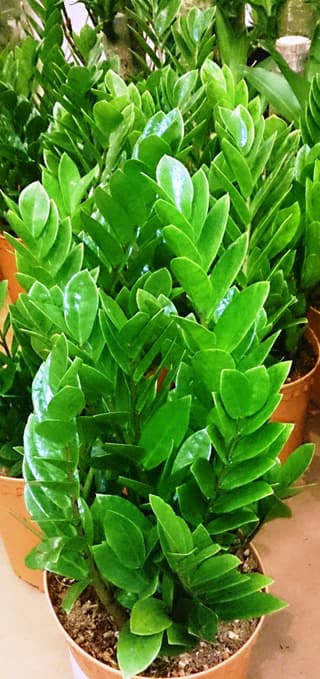
| ZZ Plant | Easy | Low light | 18d | ⚠️ |