Iridaceae
Yellow Wild Iris (Dietes bicolor): The Complete Care Guide
Dietes bicolor
Dietes bicolor is a low-maintenance plant ideal for sunny to partially shaded gardens. Water weekly when young; once established, it tolerates drought well. Fertilize lightly once or twice a year. Divide clumps every few years to maintain vigor. Deadheading is not recommended as new flowers emerge from the same stem.
Every 7 days
Bright indirect
-5° - 35°C
40% - 70%
Categories
What is Yellow Wild Iris?
Yellow Wild Iris (Dietes bicolor) is a easy-care plant from the Iridaceae family. Dietes bicolor, commonly known as the Yellow Wild Iris or Butterfly Iris, is a striking evergreen perennial native to the Eastern Cape of South Africa. It forms graceful clumps of long, sword-like pale-green leaves from which elegant pale yellow flowers emerge in spring and summer. Each bloom featur...
Yellow Wild Iris grows up to 1.2m, spread of 100cm, watering every 7 days, -5°C – 35°C, 40–70% humidity. It is not suitable for indoor environments and safe for pets.
Unlike many tropical plants, Yellow Wild Iris tolerates watering mistakes. Best for beginners. Unlike many popular species, Yellow Wild Iris is safe to keep around pets.
How to Care for Yellow Wild Iris?
TLDR: Yellow Wild Iris needs Bright indirect, watering every 7 days, and temperatures between -5-35°C with 40-70% humidity.
How Often Should You Water Yellow Wild Iris?
Water weekly during dry periods, providing about 2.5 cm per week. Once established, the plant is drought-tolerant and can survive on rainfall alone in temperate climates. Avoid waterlogging, as soggy soil can cause root rot.
How Much Light Does Yellow Wild Iris Need?
Thrives in full sun to partial shade. In hot climates, afternoon shade is beneficial. Plants in full sun bloom more prolifically but require more frequent irrigation.
What Is the Best Soil for Yellow Wild Iris?
Prefers well-draining, fertile soil enriched with compost. Tolerates poor soils and even brief waterlogging. Ideal pH is between 6.0 and 7.8.
What Pot Should You Use for Yellow Wild Iris?
Plant in the ground or in large, wide containers. In containers, use terracotta or ceramic pots with drainage holes to prevent waterlogging. A wide, shallow pot suits its clumping, rhizomatous habit.
Care Schedule
Fertilize
Every 90 days
What Is Yellow Wild Iris and Where Does It Come From?
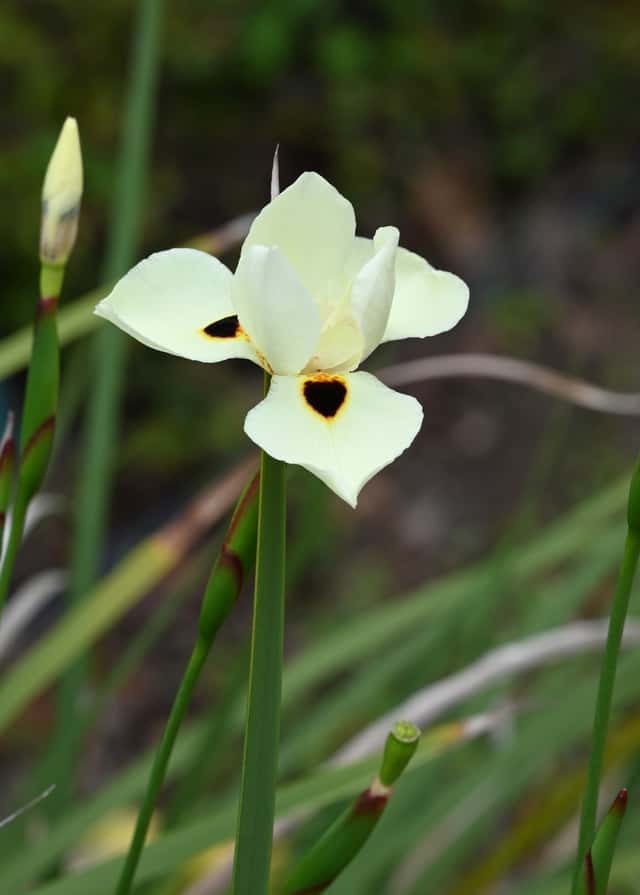
Dietes bicolor, commonly known as the Yellow Wild Iris or Butterfly Iris, is a striking evergreen perennial native to the Eastern Cape of South Africa. It forms graceful clumps of long, sword-like pale-green leaves from which elegant pale yellow flowers emerge in spring and summer. Each bloom features distinctive brown and violet markings at the base of the outer petals, giving the flower a butterfly-like appearance. It is prized in landscaping for its toughness, drought tolerance once established, and its ability to thrive in a wide range of conditions.
How to Propagate Yellow Wild Iris?
Rhizome Division
Divide every 3-5 years to prevent overcrowding and maintain flowering. Autumn is the best time. Use a sharp, clean spade.
- 1 After flowering, lift the entire clump with a garden fork
- 2 Divide the rhizomes into sections, each with several healthy fans of leaves
- 3 Replant divisions at the same depth, spacing them 30-60 cm apart
- 4 Water thoroughly after planting and keep moist until established
Materials needed:
Seed Propagation
Seeds germinate irregularly. Division is faster and more reliable for identical plants.
- 1 Collect ripe seeds after the seed pods dry on the plant
- 2 Sow seeds in moist seedling medium in trays
- 3 Keep at 15-25°C in a bright, sheltered spot
- 4 Transplant seedlings once they have 2-3 leaves
Materials needed:
How Big Does Yellow Wild Iris Grow?
TLDR: Yellow Wild Iris can reach up to 1.2m tall with Medium growth rate.
Max height
1.2m
Spread
1.0m
Growth rate
Medium
Foliage
Evergreen
Plant Uses
Ornamental
Great for decoration
Ground Cover
Soil coverage
Is your plant showing symptoms?
Click on the symptom to discover possible causes:
What Diseases Commonly Affect Yellow Wild Iris?
TLDR: Yellow Wild Iris is susceptible to 4 known diseases. Monitor regularly for early detection.
Root-Knot Nematodes
Root-knot nematodes (Meloidogyne species) are microscopic roundworms that parasitize plant roots, causing characteristic galls or knots. These soil-borne pests are among the most economically damaging plant pathogens worldwide, affecting a wide range of ornamental and edible plants. The nematodes inject enzymes into root cells, causing abnormal swelling and disrupting water and nutrient uptake.
Scale Insects
Scale insects are small sap-sucking pests that appear as brown, shell-like bumps on plant stems and leaves. There are over 25 species, divided into armored (hard) and unarmored (soft) scales. They feed by piercing plant tissue and extracting sap, which weakens the plant and can lead to yellowing, stunted growth, and even death if left untreated. They also excrete honeydew, which attracts ants and promotes sooty mold growth.
Aphids
Aphids are small, soft-bodied, pear-shaped insects (1/16 to 1/8 inch long) that feed by sucking nutrient-rich sap from plants. They reproduce rapidly and can quickly weaken plants, causing distorted growth and transmitting plant viruses. Aphids come in various colors including green, black, red, yellow, brown, and gray. They secrete honeydew, a sticky substance that attracts ants and encourages sooty mold growth.
Spider Mites
Spider mites are tiny arachnids (less than 1/20 inch long) related to spiders and ticks that feed on plant sap. They thrive in hot, dry conditions and can cause significant damage to ornamental and vegetable plants. During severe infestations, crop losses can reach 14% or higher as these pests disrupt vital plant processes including photosynthesis, carbon dioxide absorption, and transpiration.
Meaning & Symbolism
In South African tradition, this iris is planted near homesteads as a charm for protection and good fortune.
Fun Facts
Dietes bicolor belongs to the iris family (Iridaceae), sharing family ties with over 2,000 species worldwide.
Its common name 'Fortnight Lily' comes from the belief that it flowers every two weeks throughout the season.
Each flower lasts only one day, but new blooms open continuously on the same stems for months.
It is one of the most widely planted ornamental plants on South African roadsides and public spaces.
Frequently asked questions
How often should I water Dietes bicolor?
Does Yellow Wild Iris bloom all year?
Is Dietes bicolor toxic to pets?
How do I propagate Dietes bicolor?
Can I grow Yellow Wild Iris in a pot?
Compare with similar plants
| Attribute | Difficulty | Light | Watering | Pet Safe |
|---|---|---|---|---|
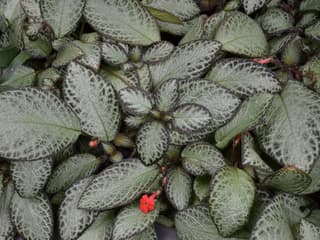
| Flame Violet | Easy | Partial shade | 7d | ✓ |
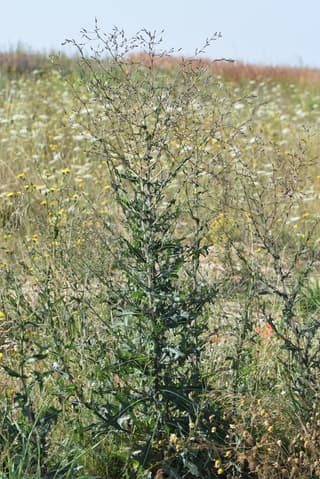
| Prickly Lettuce | Easy | Direct sun | 7d | ✓ |
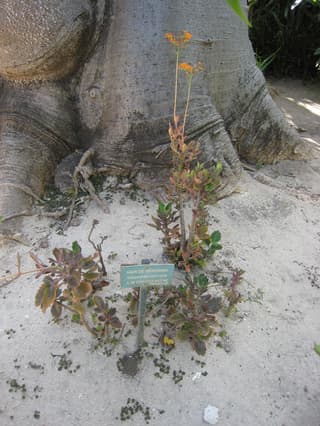
| Christmas Tree Plant | Easy | Bright indirect | 10d | ⚠️ |
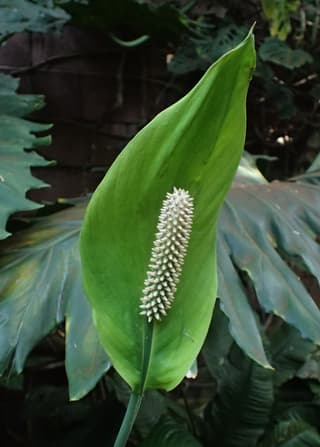
| Peace Lily | Easy | Low light | 7d | ⚠️ |