Iridaceae
Iris (genus)
Iris
Plant in full to partial sun in well-drained soil with pH 6–7. Water every 7 days; reduce in winter. Fertilize every 30 days during the growing season. Divide rhizomes every 2–3 years to maintain vigor.
Every 7 days
Bright indirect
-20° - 35°C
40% - 70%
Categories
What is Iris (genus)?
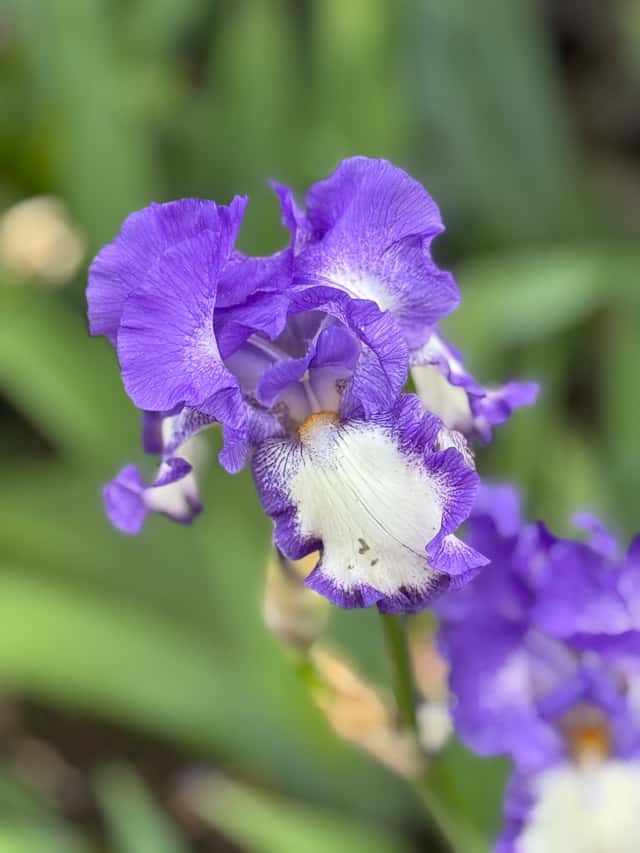
Iris (genus) (Iris) is a easy-care plant from the Iridaceae family. The genus Iris comprises over 300 species of rhizomatous or bulbous flowering plants native to temperate regions of the Northern Hemisphere. Celebrated for their striking trilobed blooms in shades of purple, blue, yellow, white, and orange, irises are among the most beloved garden perennials worldwi...
Iris (genus) grows up to 1.2m, spread of 60cm, watering every 7 days, -20°C – 35°C, 40–70% humidity. It is not suitable for indoor environments and not safe for pets.
Unlike many tropical plants, Iris (genus) tolerates watering mistakes. Best for beginners. Without precautions, ingestion can cause irritation in pets. Keep out of reach of cats and dogs.
How to Care for Iris (genus)?
TLDR: Iris (genus) needs Bright indirect, watering every 7 days, and temperatures between -20-35°C with 40-70% humidity.
How Often Should You Water Iris (genus)?
Water every 7 days during the growing season; reduce to every 14 days in winter. Avoid waterlogged soil — rhizomes rot easily in saturated conditions.
How Much Light Does Iris (genus) Need?
Prefers full sun (6+ hours/day) to partial sun. Insufficient light drastically reduces flowering. Best suited for open outdoor beds.
What Is the Best Soil for Iris (genus)?
Well-draining, sandy or loamy soil. pH 6.0–7.0. Avoid heavy clay soils that retain excess moisture around rhizomes.
What Pot Should You Use for Iris (genus)?
Open outdoor bed or large terracotta pot with excellent drainage.
Care Schedule
Fertilize
Every 30 days
Repot
Every 730 days
What Is Iris (genus) and Where Does It Come From?
The genus Iris comprises over 300 species of rhizomatous or bulbous flowering plants native to temperate regions of the Northern Hemisphere. Celebrated for their striking trilobed blooms in shades of purple, blue, yellow, white, and orange, irises are among the most beloved garden perennials worldwide.
How Big Does Iris (genus) Grow?
TLDR: Iris (genus) can reach up to 1.2m tall with Medium growth rate.
Max height
1.2m
Spread
60cm
Growth rate
Medium
Foliage
Deciduous
Warning: Toxic Plant
This plant can be toxic if ingested. Keep out of reach of:
Plant Uses
Ornamental
Great for decoration
Is your plant showing symptoms?
Click on the symptom to discover possible causes:
What Diseases Commonly Affect Iris (genus)?
TLDR: Iris (genus) is susceptible to 6 known diseases. Monitor regularly for early detection.
Leaf Spot
Leaf spot is a common fungal disease caused by various pathogens including Alternaria, Ascochyta, Colletotrichum, Septoria, and Venturia. It primarily affects leaves, causing discolored spots that can lead to premature leaf drop if left untreated.
Bacterial Soft Rot
Bacterial soft rot is a destructive plant disease caused primarily by bacteria from the genera Pectobacterium (formerly Erwinia) and Dickeya. These bacteria produce enzymes that break down plant cell walls, causing rapid and foul-smelling tissue decomposition. It mainly affects succulent tissues such as tubers, fruits, stems, and bulbs, being especially problematic in warm and humid conditions.
Rust
Rust is a common fungal disease caused by fungi in the order Pucciniales that affects a wide variety of plants. The disease gets its name from the characteristic orange, yellow, or reddish-brown pustules that appear on leaves, resembling metal rust. This obligate fungal parasite requires living plants to survive and can cause significant economic losses in agricultural crops.
Root Rot
Root rot is a serious fungal disease that affects the root system of plants, causing them to decay and die. It is primarily caused by overwatering, poor drainage, or soil-borne fungi such as Pythium, Phytophthora, Rhizoctonia, and Fusarium. The disease thrives in waterlogged conditions where roots are deprived of oxygen, making them susceptible to fungal infection.
Meaning & Symbolism
Iris symbolizes faith, hope, wisdom, and courage. In Greek mythology, Iris was the goddess of the rainbow. It is the basis of the French fleur-de-lis.
Fun Facts
There are over 300 species in the Iris genus, spread across temperate regions of the Northern Hemisphere.
The word "iris" comes from Greek meaning "rainbow," reflecting the flower's extraordinary color range.
Iris rhizomes contain irisin and iridin glycosides, which are mildly toxic if ingested by pets or humans.
Frequently asked questions
Are irises toxic to cats and dogs?
How often should I water irises?
Can irises grow in pots?
Compare with similar plants
| Attribute | Difficulty | Light | Watering | Pet Safe |
|---|---|---|---|---|
| Field Maple | Easy | Bright indirect | 14d | ✓ |
| Silver Birch | Easy | Direct sun | 14d | ✓ |
| Cushion Bush | Easy | Direct sun | 14d | ✓ |
| Peruvian peppertree | Easy | Direct sun | 14d | ⚠️ |





